
Entabeni Safari Conservancy, rightfully dubbed “The Place of the Mountain”, is situated in the World Heritage, Waterberg Biosphere. Approximately a three-hour drive north of Johannesburg, this malaria-free Reserve boasts five Eco-System's. A gravel road leads up to this Big 5 Reserves, complemented by five different lodges.
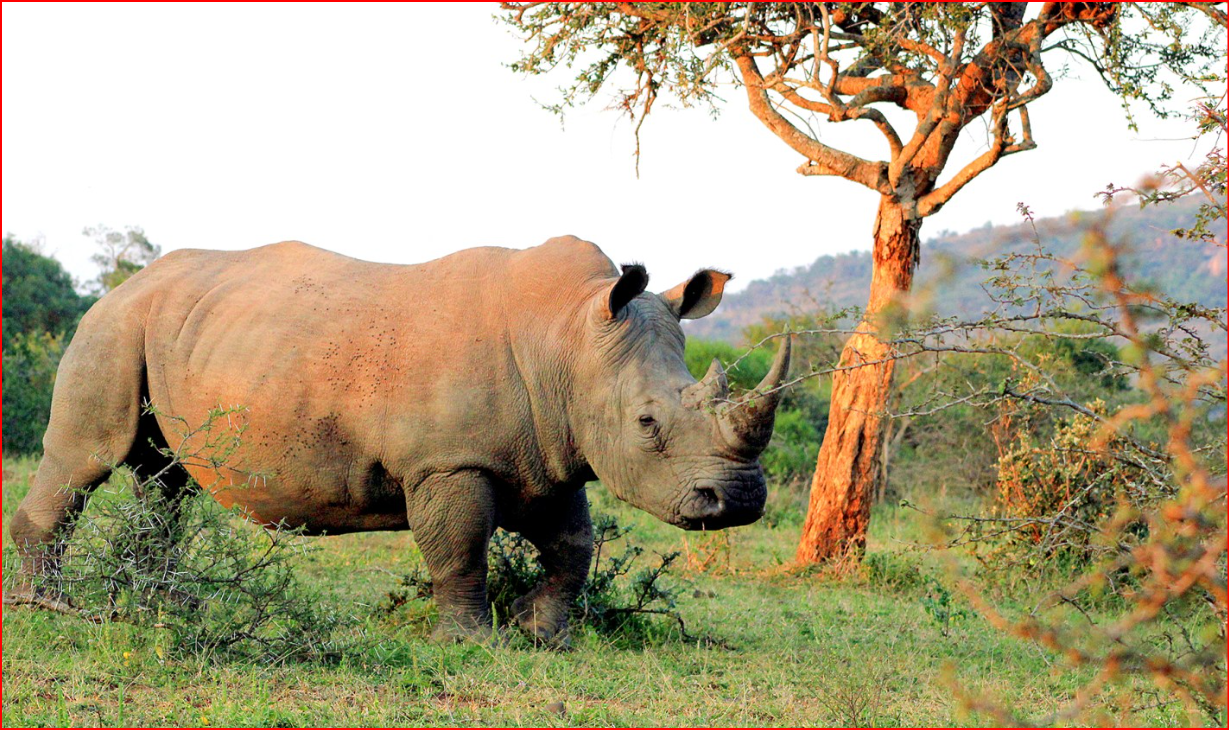
Formerly known as: The Hluhluwe Umfolozi Game Reserve, now the Hluhluwe-Imfolozi Park. The park is the oldest proclaimed reserve in Africa. 960 square kilometres, (that's the same size as Netherlands Antilles, while Hong Kong is 1104 square kilometres!) Officially opened in 1895, as a Park. Hluhluwe-Imfolozi Park is the only in Kwazulu Natal that is home to the African Big 5. The park is world renown for its conservation efforts and history.
SAHO is free because readers fund it. Donate →
Khami Ruins National Monument and World Heritage Site, is located to the west of the Khami River, 22 km from the City of Bulawayo. The property, located on a 1300 m hilltop downstream from a dam built during 1928-1929, covers an area of about 108 ha, spread over a distance of about 2 km from the Passage Ruin to the North Ruin. The property was the capital of the Torwa dynasty, which arose from the collapse of the Great Zimbabwe Kingdom between 1450 -1650 and was abandoned during the Ndebele incursions of the 19th century.
SAHO is free because readers fund it. Donate →
Phalaborwa is a town in the Mopani District Municipality, Limpopo province, South Africa. Phalaborwa is the site of the 'Big Hole', the earth's largest man-made hole, visible from space and pretty awe inspiring, even if you're not impressed by mines in general. Mining and smelting of copper and iron ore date back to 400 AD when the Sotho called the area 'Ba-Phalaborwa', meaning 'better than the south'.
SAHO is free because readers fund it. Donate →
Situated in the Soutpansberg District to the south-east of Louis Trichardt is Valdezia Mission Station, an establishment that has come to represent a portion of South Africa's Heritage. Valdezia Mission Station in Limpopo has certainly done much to benefit the local population and uplift the community, while providing insight into the past.
The Mission Station was established in 1875 by Ernst Creux and Henri Bertroud, both of them theological students. In 1874 they received permission to buy Klipfontein farm from Mr. Scot J.
SAHO is free because readers fund it. Donate →
The Thathe Vondo Forest is sacred to the Venda people of Limpopo. Situated in the mountains above Lake Fundudzi, traditional folk lore says the forest is patrolled by a sacred white lion, which protects the graves of the chiefs of the Thathe clan who are buried in this sacred place. There is also rumoured to be a thunder and lightning bird called Ndadzi, which, according to myths, flies on the wings of thunder. The forest is comprised of giant hardwood trees such as the yellowwood. There is also a wide variety of ferns, creepers and plants which flourish in the climate.
SAHO is free because readers fund it. Donate →
The Dzata Ruins (or Dzana ruins) are an archaeological site in Dzanani in the Makhado municipality, Vhembe district, in the north of South Africa. Scholars who have made a study of the various legends and traditions associated with the ruins, find it clear that they are many contradictions. Archaeological evidence has shed some lights on these events, but a great deal of work still remains to be done. It is certain that Dzata was built at an earlier date than many people are willing to admit.
SAHO is free because readers fund it. Donate →
The superior administrative division is Vhembe District Municipality, Limpopo, South Africa. The estimate terrain elevation above seal level is 813 metres. It is situated approximately 140
km to the north-east of Polokwane, 60 km to the north-east of Makhado, 120 km to the south of Musina and 138 km to the south of the Beitbridge border to Zimbabwe. There are three formal villages situated near the Nzhelele Nature Reserve, namely the Makushu village 1.6 km to the west, Mufongodi village 3.3 km to the east and Musekwa village 2 km to the south-east of the reserve.
SAHO is free because readers fund it. Donate →
“Lake Fundudzi was created by a massive landslide about 20,000 years ago, blocking the flow of the Mutale river and slowly but surely creating this expansive lake” says Nelson Maphaha, our guide and camp host at Fundudzi Culture Camp. “The scar in the landscape is still clearly visible, once the mist clears”.
We stop well above the lake, where Nelson, starts the sacred narrative by explaining how to honour the ancestors. We turn our backs to the lake and awkwardly look through our legs, while Nelson greets the custodians of the lake in Tshiven?a.
SAHO is free because readers fund it. Donate →
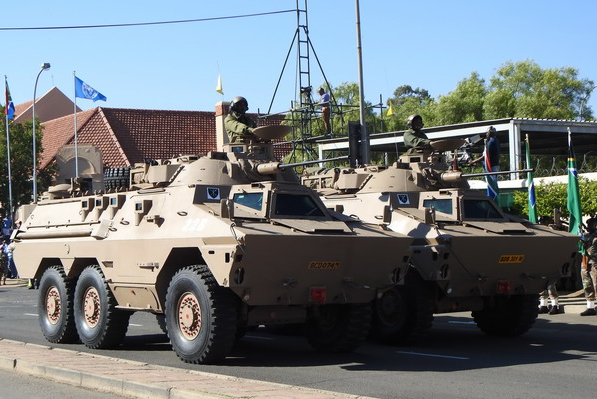
Vhembe District Municipality is a second-order administrative division and is located in, South Africa, with a population of 1 240 035 habitants. The estimate terrain elevation above seal level is 1206 metres.
SAHO is free because readers fund it. Donate →