
SAHO global search
336 records
 Article
European trading systems in the Middle Ages - fourteenth to sixteenth centuries
Expanding European frontiers The Trek Boers, with their servants and slaves, move inland From the late 1600s and into the 1700s, the Cape settlers moved…
 Article
Prehistory of the Pretoria area
The Pretoria region was initially occupied by the southern Ndebele people, led by Chief Musi. They inhabited this area about 300 to 400 years ago. The period…
 Article
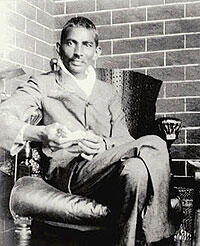
South African Indian Congress (SAIC)
The period 1860-1923 is characterised firstly by the introduction of indentured Indian labourers into Natal and of the "passenger" Indians who came to trade,…
 Article
Grade 9 - Term 2: The Nuclear Age and the Cold War
Starting with major scientific breakthroughs during the 1930’s, countries have developed weapons that are based on nuclear energy. The use of nuclear weapons…
 Article
The Freedom Charter by Norman Levy
This article was taken from the book The Final Prize by Norman Levy (Chapter 10) Time for a Chartist Movement The idea of the Freedom Charter and the…
 Article
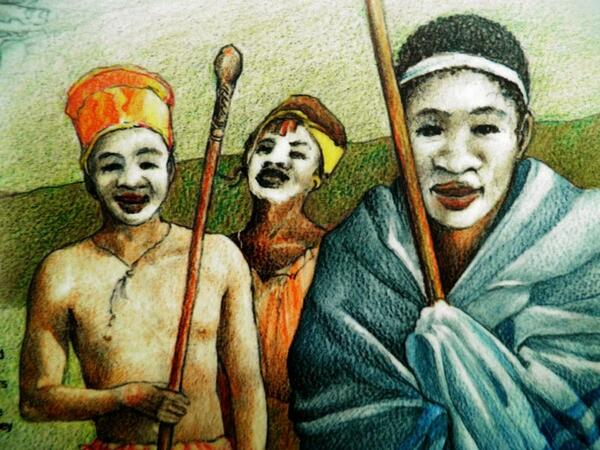
Xhosa
The four major ethnic divisions among Black South Africans are the Nguni, Sotho, Shangaan-Tsonga and Venda. The Nguni represent nearly two thirds of South…
 Article
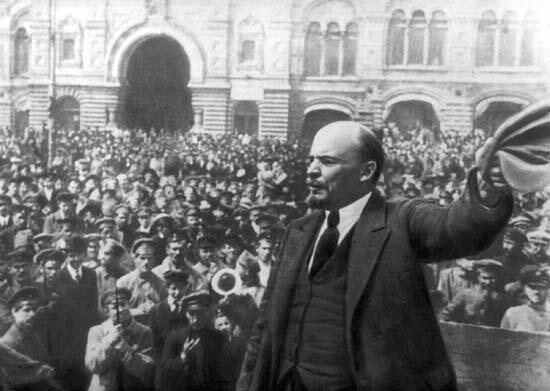
Lenin’s implementation of Leninism in Russia and the changes made
While looking at the background information on the Russian revolution and the change to a Communist state in Russia, we have already touched on many of the…
 Article
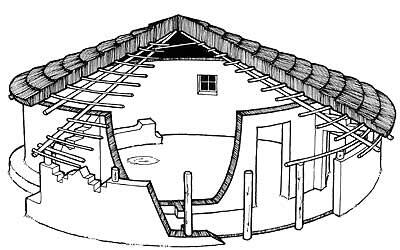
Ndebele architecture and settlement patterns
Glossary of Ndebele building terms APOKORWAN - Eaves overhang AMAKAPA - Roof AMAKAPA IBALELO - Timber roof rafter AMAOBA - Enclosed room located in the…
Colonial conquest and resistance, Pre 1900
Several factors seemed to pave the way to apartheid, among them a colonial conquest, land dispossession, economic impoverishment, and exclusion from…
 Article
History Grade 11 - Topic 3 Essay Questions
… in and around the towns, mining housing and other sites of contact between ‘races’. These included: segregated … for this reason. [54] In addition,…
 Article
The 1st Johannesburg Biennale
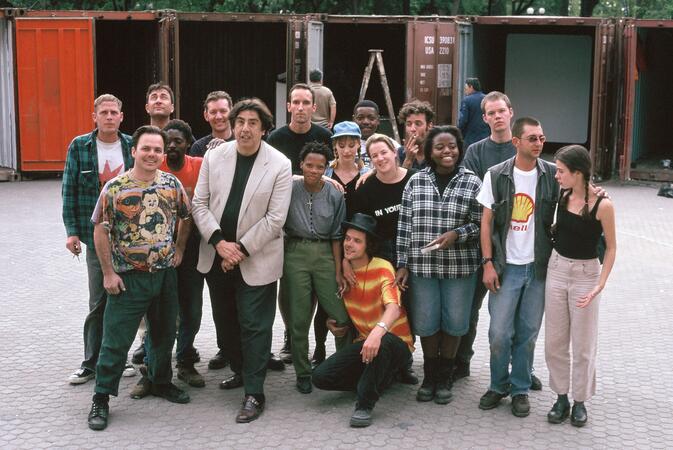
In an attempt to restore artistic exchange and dialogue after the Cultural Boycotts of the Isolation Years, the first Johannesburg Biennale titled Africus,…
Why protect worker’s rights?
The exploitation of workers was a feature of life in South Africa for decades. Apartheid thrived on cheap labour: workers had to contend with the migrant…
 Article
Black Consciousness and student revolt in the Cape
After the government crackdown on political organizations in the early 1960s, new organizations emerged to fill the political vacuum. A movement based on the…
Biography of Hugh Masekela by Fardin Rahman
Hugh Masekela is recognized as one of the most famous and influential musicians of all time from South Africa due to his role in spreading awareness about his…
 Article
Timeline of the Bulhoek Massacre
1868 Enoch Mgijima is born at Bulhoek, Eastern Cape, the son of Jonas Mayekiso Mgijima. 1907 19 April, Enoch Mgijima, who had already gained quite a…
 Article
The National Coat of Arms
The role of a Coat of Arms A national coat of arms, or State emblem, is the highest visual symbol of the State. Take a minute to consider the important events…
 Article
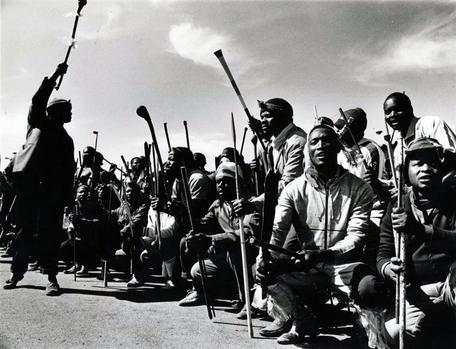
Boipatong massacre - 17 June 1992
On 17 June 1992 the Joe Slovo Informal settlement in Boipatong outside Vereeniging was attacked by a group of about 300 armed men from Kwa Madala Hostel in…
 Article
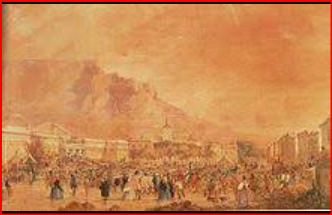
Convict Stations & Labour in the Cape Colony
Written by: FRANCO FRESCURA The exploitation of convict labour at the Cape during the Colonial era is closely connected with the work of John Montagu,…
 Article
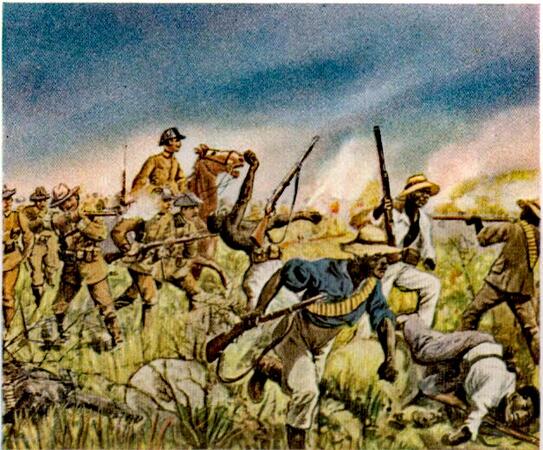
Timeline of the German and Herero, Nama War and Genocide
1904 6 January, The settler Frau Sonnenberg tells German soldiers stationed at the Waterberg, including the Sergeant in charge, Sergeant Rademacher, that…
 Article
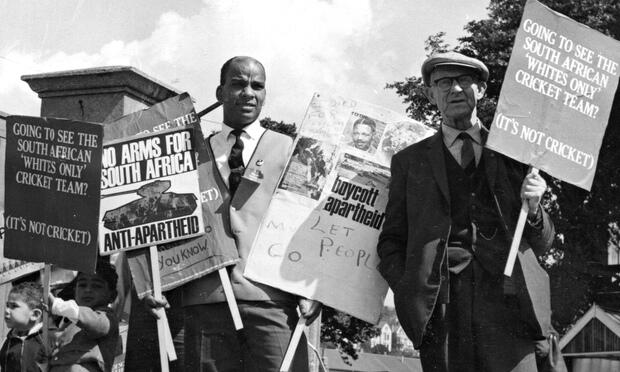
The British Anti-Apartheid Movement
… with thousands descending on Trafalgar Square and other sites throughout the country. The AAM was caught in a strange …
 Article
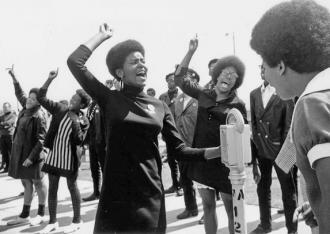
1960s: The Civil Rights and Black Power movements
Introduction It is important to note that South African events do not occur in a vacuum, as we are part of a large continent and a much larger world…
Re-Emergence of Congress Activity 1980s
By 1980, the Black Consciousness organisations were in a gradual decline and struggling to avert state repression. Congress-inspired traditions were also re…
 Article
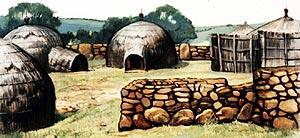
The Ndebele in history
Early History Few Southern African indigenous groups have so captured the interest of the world as have the South amaNdebele of the central highveld, an area…
 Article
2016 in Review
In 2016 South Africa History Online celebrates 15 years of being a public open source heritage site. What a journey it has been. At the end of the first week…
 Article
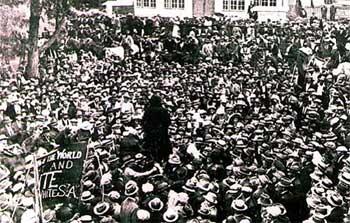
Rand Rebellion 1922
The Rand Rebellion of 1922 was an armed uprising that is also referred to as the Rand Revolt or Red Revolt. It occurred during a period of economic depression…
 Article
Prevention/Treatment
How is the South African Government dealing with the aids epidemic? In 1987, the apartheid government recognized that HIV and AIDS had the potential to…
 Article
Grade 6 - Term 2: Explorers from Europe find southern Africa
Great Zimbabwe When Mapungubwe was abandoned, it was to the benefit of Great Zimbabwe. The cultural, political and economic power in the area shifted to…
Grade 8 - Topic 2 - The Mineral Revolution in South Africa
Grade 8 - Topic 2 - The Mineral Revolution in South Africa Background and Focus of Grade 8- Term 2: The Mineral Revolution in South Africa The Mineral…
 Article
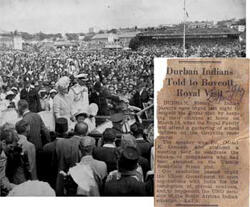
Grey Street Complex timeline 1800-1999
… first Muslim workers in Natal. 1860 September, Cemetery sites are set aside in Durban. 12 October, Mr. Fisher is …
 Article
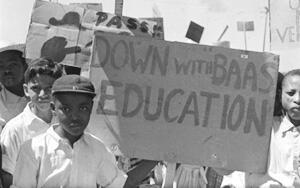
“Bantu Education or the Street” by Norman Levy
… least equipped classroom, were initially absent from these sites but later these somehow surfaced, giving the place the …