
SAHO global search
63,741 records
Segregationist Legislation Timeline 1856-1979
Segregationist Legislation Timeline, 1856-1979 from the 1856 - 1910, Masters and Servants Acts to the Industrial Conciliation Amendment Act No 94 of 1979 which…
 Article
Liberation history Timeline 1940-1949
The 1940s were characterised by changes that had a profound effect on the political landscape in South Africa. There was closer cooperation between the CPSA…
 Article
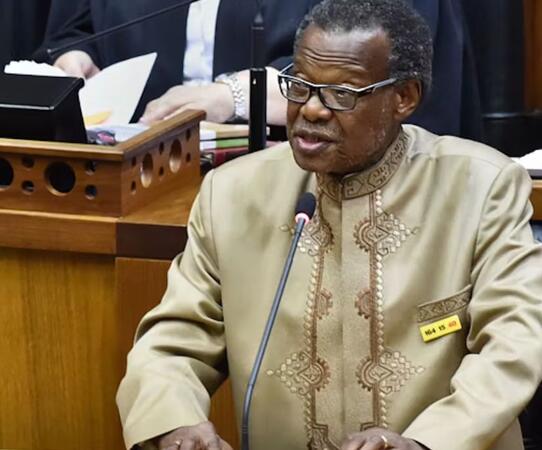
Mangosuthu Buthelezi: the Zulu nationalist who left his mark on South Africa’s history
Mangosuthu Gatsha Buthelezi played a prominent role in South African politics for almost half a century. He was one of the last of a generation of black South…
 Article
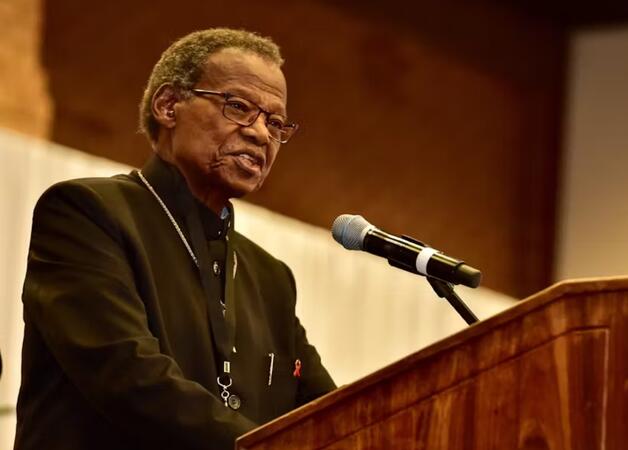
Mangosuthu Buthelezi was a man of immense political talent and contradictions
Mangosuthu Gatsha Buthelezi, who has died, was a history maker. He was born on 27 August 1928 into a tumultuous global century, and into the local conditions…
 Article
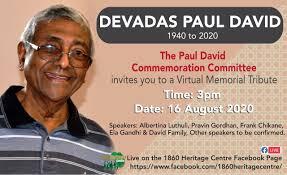
A tribute to a great struggle stalwart Paul David by Siva Naidoo
I first came into contact with Comrade Devadas Paul David in 1977, soon after a few of us established the Tongaat Youth Club. We were struck by his youthful…
 Article
uMkhonto weSizwe (MK)
On 16 December, 1961, Umkhonto weSizwe (MK) was launched as an armed wing of the African National Congress (ANC). The formation of the MK Umkhonto…
 Article
African National Congress (ANC)
The African National Congress (ANC) is South Africa's governing party and has been in power since the transition to democracy in April 1994. The organisation…
 Article
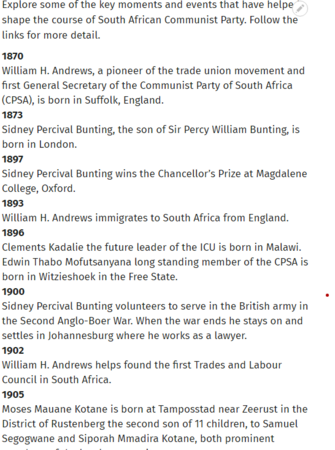
South African Communist Party Timeline 1870-1996
Explore some of the key moments and events that have helped shape the course of South African Communist Party. Follow the links for more detail. 1870 …
 Article
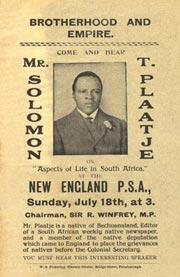
African nationalism and working-class & popular protests, 1910-1924
General Louis Botha headed the first government of the new Union of South Africa, with General Jan Smuts as his deputy. Their South African National Party,…
The genesis of the armed struggle, 1960-1966
Introduction Sharpeville shortly after the shootings © Museum Africa. The 1960s marked an important watershed in South Africa's struggle against apartheid…
 Article
Mass Democratic movements, 1976-1983
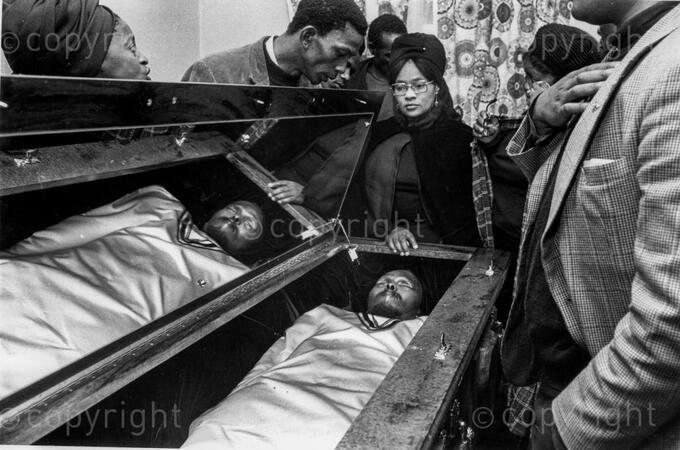
IntroductionNovember 1977, Dr Mamphele Ramphele stands over Steve Biko's open casket in his home before the funeral, attended by 20,000 mourners at King…
Anti-Indian Legislation 1800s - 1959
1859 After protracted negotiations between the Natal Government and the British Secretary of State for the Colonies, the Natal Coolie Law, Law 14 of 1859 is…
 Article
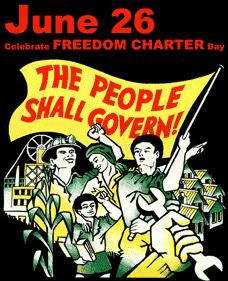
Congress of the People and the Freedom Charter
As the struggle for freedom reached a new intensity in the early fifties, the ANC saw the need for a clear statement on the future of South Africa. The idea of…
 Article
First Anglo Boer War
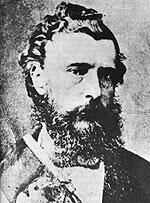
Causes of the War The First Anglo-Boer is also known as the First Transvaal War of Independence because the conflict arose between the British colonizers…
 Article
Pass laws in South Africa 1800-1994
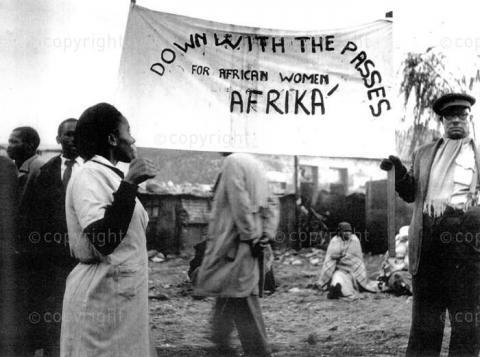
Slaves at the Cape were forced to carry passes. This made it easier for their owners and the local authorities to control their movements. The first time Pass…
Constructing the Union of South Africa; negotiations & contestations, 1902-10
Scanned in copy of the last page of the Treaty of Vereeniging, click to enlarge and view other pages Industrialization and British imperialism in South Africa…
Second World War and its impact, 1939-1948
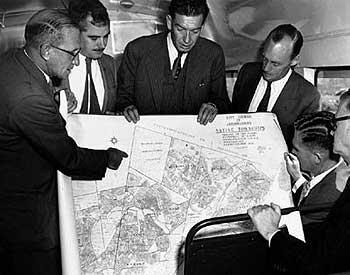
South Africa enters the War General Smuts signing the agreement at the first meeting of the UN General Assembly. Source: P. Joyce (2000), Suid-Afrika in die…
 Article
Apartheid and reactions to it
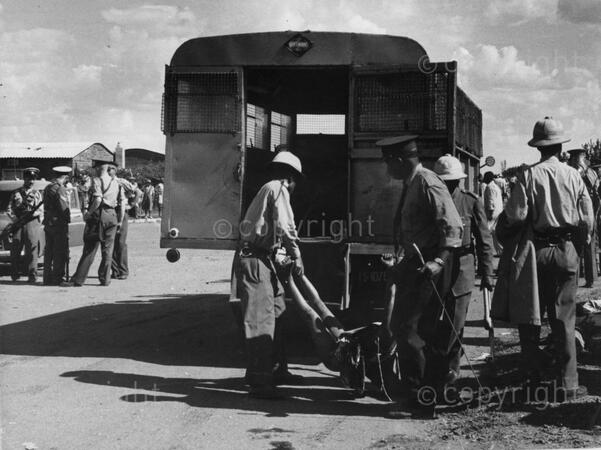
In 1948, the National Party (NP), representing Afrikaners, won the national election on a platform of racism and segregation under the slogan of 'apartheid’…
 Article
1960-1966: The genesis of the armed struggle
The 1960s marked an important watershed in South Africa's struggle against apartheid. The aftermath of the Sharpeville Massacre, in 1960, signalled the…
The people armed, 1984-1990
Introduction 1985, Desmond Tutu, armed only with the bible under his arm, confronts the SA forces during their attempts to break up a demonstration…
 Article
Transition and negotiation, 1990-1994
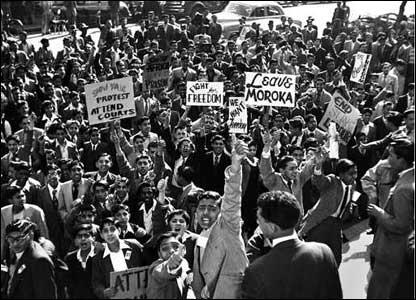
'Laws do not make a better society, people do ... it is crucial that the people of South Africa unite around a common respect for the Constitution…
 Article
Defiance Campaign 1952
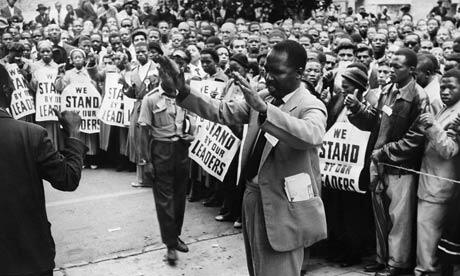
The post-1948 period saw the African National Congress (ANC) abandoning its traditional reliance on tactics of moderation such as petitions and deputations. In…
 Article
Defiance Campaign timeline 1948-1952
1948 May 26, The National Party (NP) wins election and immediately introduces apartheid (separateness) measures against Blacks, Indian immigrants and those…
 Article
Indian South Africans
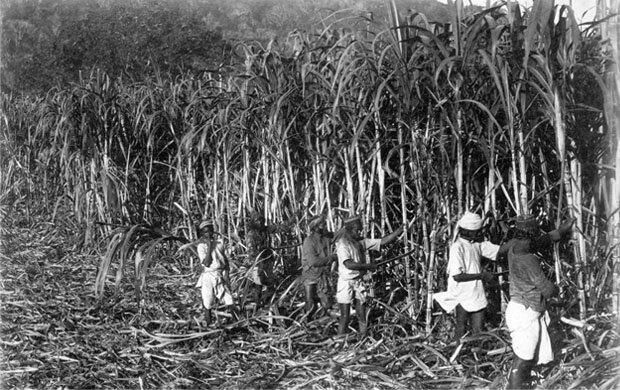
From bondage to freedom - The 160th anniversary of the arrival of Indian workers in South Africa The feature on Indian South Africans forms part of our…
 Article
A history of Indians in South Africa Timeline: 1654-2008
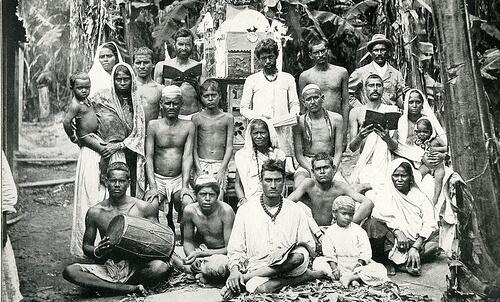
This is a collection of timelines of Indians in South Africa from 1654 until 2008.
 Article
1970s: Black Consciousness Movement in South Africa
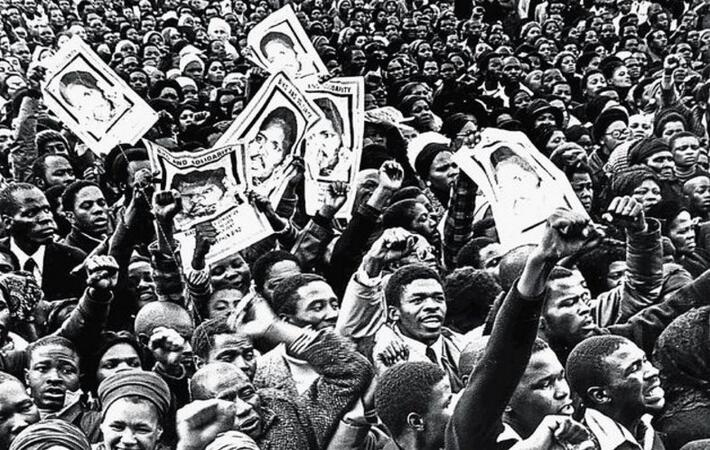
Teachers and learners should note that there are many links on this site which deal with the depth and breadth of the Black Consciousness Movement in South…
Afrikaner
From European to "Africaander” The modern Afrikaner is descended mainly from Western Europeans who settled on the southern tip of Africa during the middle…
Prehistory of the Rustenburg area
Prehistory of the Region Pre-history of Southern Africa Africans who worked with copper and iron inhabited the area between 350AD to 600AD. Linguistic and…
Prehistory of the Nelspruit area
Prehistory of the Nelspruit area Prehistory of Southern Africa Lying just below the escarpment, Nelspruit is the capital of a region with important…
 Article
Partial State of Emergency, July 1985
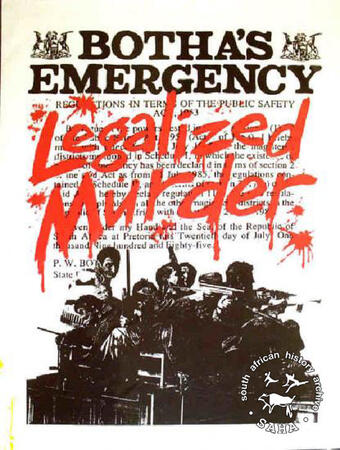
On 20 July 1985 the government declared a State of Emergency in 36 magisterial districts in the Eastern Cape and PWV (now Gauteng) areas. This was the first…