
SAHO global search
63,741 records
 Article
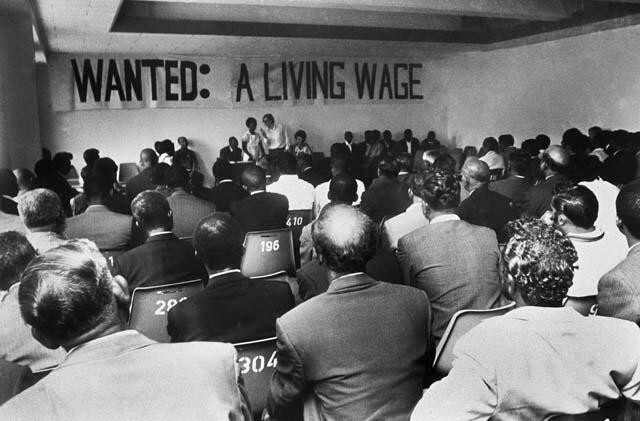
Harriet and the Bolton Hall Four
The “Bolton Hall Four” David Davis, David Hemson, Jeannette Cunningham-Brown and Halton Cheadle were banned for five years under the Suppression of Communism…
 Article
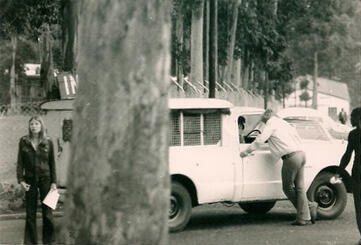
Wages Commission
Soon after the 1971 garment workers’ strike at Currie’s Fountain, three students from the Durban campus of the University of Natal –David Hemson, Halton…
General Factory Workers Benefit Fund (GFWBF)
NUSAS students set up the General Factory Workers Benefit Fund (GFWBF) in 1972. They worked closely with Harriet Bolton of TUCSA. The aim of the GFWBF was,…
Institute for Industrial Education (IIE)
The Institute for Industrial Education (IIE) was founded in Durban, in May 1973, to serve as a school for trade unionists of all races and to provide basic…
 Article
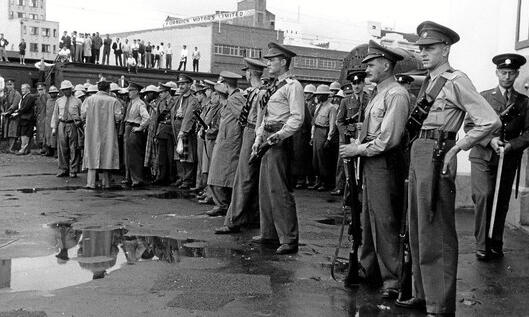
The Strikes and Popular and Political Support
By late February 1973, the spread of the strikes was the most significant development since Sharpeville and the turn to armed struggle. The striking workers…
 Article
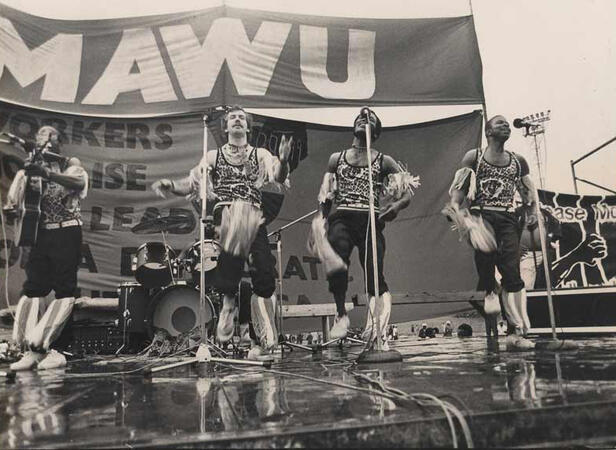
Metal and Allied Workers Union
At a GFWBF meeting in Pietermaritzburg in April, metalworkers from two factories called for the establishment of a union. Two months later, the Metal and…
 Article
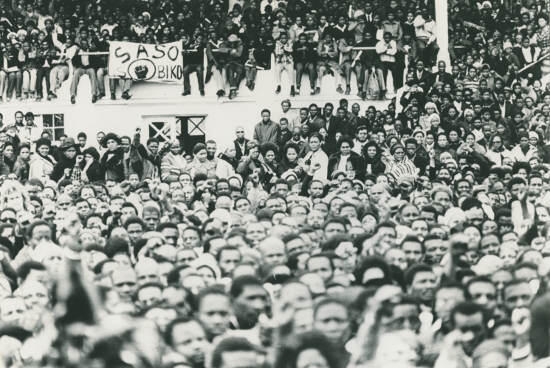
SASO Bannings
SASO came under increasing attack from the Government. In March 1973, eight Black Consciousness leaders were banned. In 1977, nine SASO members were sentenced…
 Article
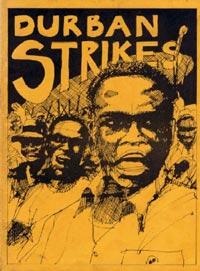
Timeline of the 1973 Durban Strikes
1972 October and December - Strikes at the Durban docks October 1972 - when new wages for dockworkers were not implemented, stevedores in Cape Town and…
Coloured Section | First edition of the Bloemfontein Bantu And Coloured People`s Directory by John Mancoe
The growth of trade unionism in Cape Town and the formation of early political organisations
Khoisan Identity
In his State of the Nation address on 9th February 2012, President Zuma uttered a promise that provisions would be made ‘for the recognition of the Khoi-San…
The Anti-Coloured Affairs Department (Anti-CAD) Movement
 Article
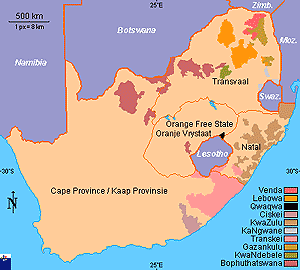
The Homelands
The Bantustans or homelands, established by the Apartheid Government, were areas to which the majority of the Blacks population was moved to prevent them from…
 Article
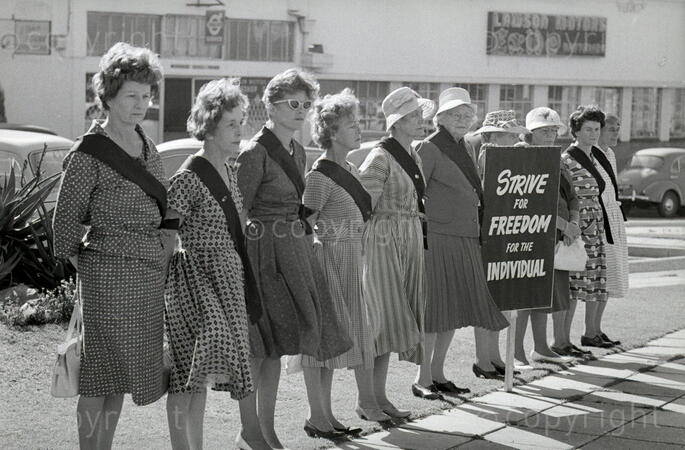
Elizabeth Davenport: A teacher and member of the Black Sash by Cole Morgan
Elizabeth Davenport: A teacher and member of the Black Sash by Cole MorganAbstractElizabeth Davenport has been an integral part of the Black Sash movement from…
 Article
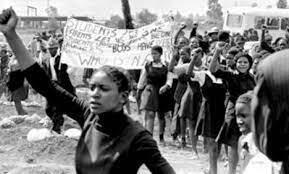
Liberation Struggle in South Africa
Although Apartheid only ‘officially’ started in 1948, repression was rife in South Africa long before that date. This special project examines the Freedom…
 Article
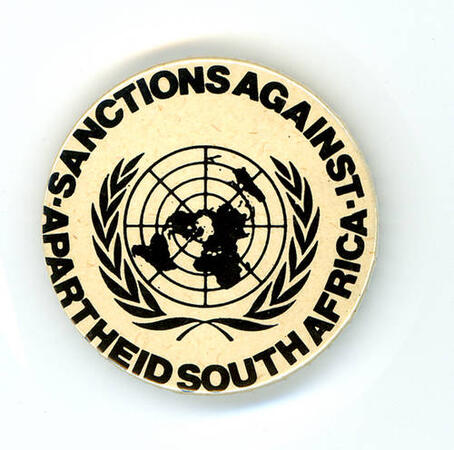
South Africa and the United Nations, 1946-1990
South Africa's racial policy and the UNOSouth Africa and apartheid was placed on the agenda of the United Nations for the first time in 1946 by India regarding…
The armed struggle and state repression of the 1960s
A turning point in the struggle against apartheid came about in the 1960s. This change was the result of combined elements, including the formation of the PAC,…
Apartheid - The early 1980s
The early 1980s There was little change in the situation from the late 1970s to the early 1980s in South Africa. After the crisis of the early and mid-70s,…
Apartheid - A Crime Against Humanity: The Unfolding of Total Strategy 1948-1989
The content of this article was taken from the book A Crime Against Humanity - Analysing the Repression of the Apartheid State edited by Max Coleman, (Cape…
 Article
South Africa and the Olympic Games
BackgroundWhat is today referred to as the “Ancient Olympic Games”, was a sports festival celebrated in honour of the Greek god Zeus in the town of Olympia. As…
 Article
Right to Organise Timeline 1500-1994
1500-1800 This period is marked by the advent and growth of the Atlantic Slave Trade affecting West Africa, Central and East Africa. On the Southern African…
 Article
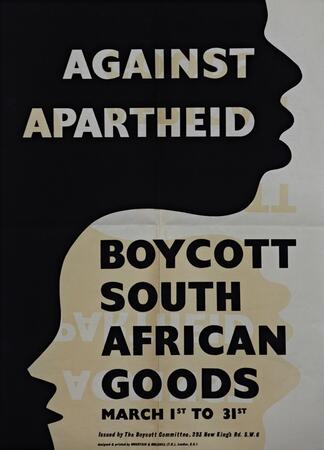
The Anti-Apartheid Movement (AAM)
World opposition to Apartheid Enforced racial segregation in South Africa began with the arrival of the Dutch and English colonisers. Following its…
Legislation, Dissent, and Violence in Sophiatown under Apartheid
AbstractThis article traces the major segregation laws in South Africa that acted as precedent for the 1954 Native Resettlement Act. This apartheid law…
 Article
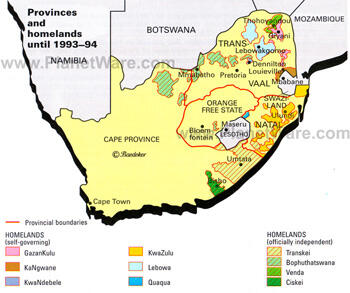
The History of Separate Development in South Africa
Racial segregation and white supremacy had become central aspects of South African policy long before Apartheid started. The notorious 1913 Land Act, passed…
 Article
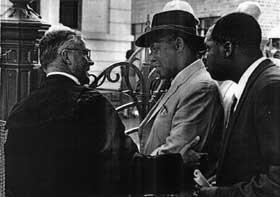
Pass Laws in South Africa
The Pass Laws was a system used to control the movement of Black, Indian and Coloured people in South Africa. The pass said which areas a person was allowed to…
 Article
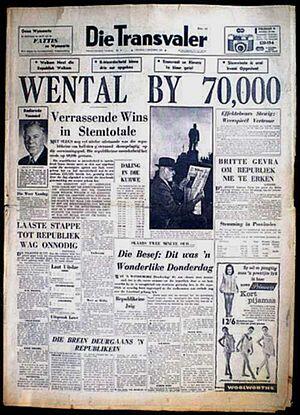
Timeline of State Action Against the Press in the 1960s
1960 Mar- Norman Phillips of the Toronto Star was detained 3 and '/2 days for trying to cable a story about a police attack on Nyanga, Cape Town. The report…
 Article
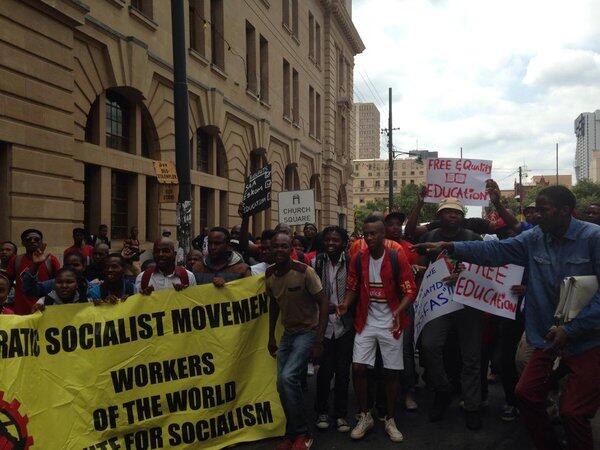
Student Protests at Tshwane University of Technology - Timeline
As part of the governmental process for transformation of institutions through re-structuring and mergers in Post-Apartheid South Africa, historically White…
Insurrections: The Storming
September 2015, District Six Homecoming Centre, Cape Town. Performance Curated by: Sumangala Damodaran, Tina Schouw and Ari Sitas Performance Visual: Piya…
 Article
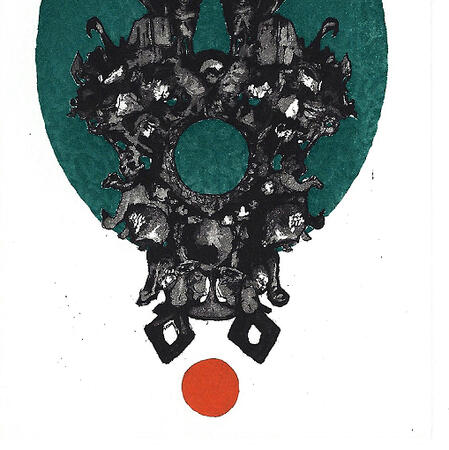
The Storming: Insurrections Ensemble
September 2015, District Six Homecoming Centre, Cape Town. Performance Curated by: Sumangala Damodaran, Tina Schouw and Ari Sitas Performance Visual: Piya…
 Article
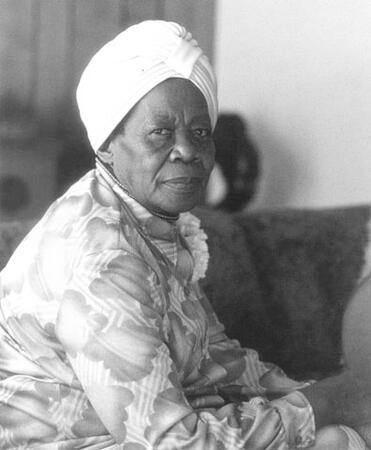
Nokukhanya (Bhengu) Luthuli’s Life Timeline
1904, March 3 Nokukhanya born 1913 Began formal education at Ohlange Institute 1914 Death of Nokukhanya’s mother, Nozincwadi, (also known as…