
SAHO global search
63,741 records
 Article
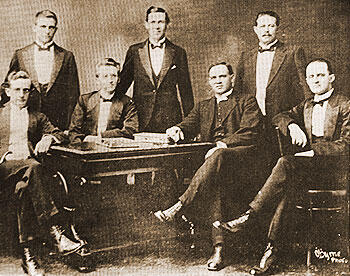
Afrikaner Broederbond
On 5 June 1918 disaffected Afrikaners were brought together in a new organisation called Jong Suid-Afrika (Young South Africa). The following year its name was…
 Article
Afrikaner Weerstandsbeweging (AWB)
The Afrikaner Weerstandsbeweging (AWB) was an ultra-right wing organisation led by Eugene Terreblanche, that first came into prominence in the 1970s. It aimed…
 Article
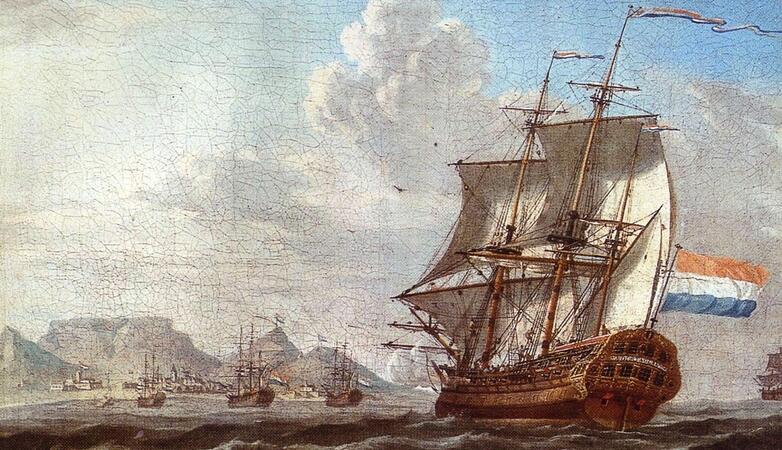
Dutch East India Company (DEIC)/VOC
March 20, 1602 marked the beginning of the inexorable end for many a state in the then known world. On that day, four hundred years ago, a group of Dutch…
South Africa in the 1900s (1900-1917)
Introduction More than two and a half centuries prior to the birth of Nelson Rolihlahla Mandela, Jan Van Riebeeck and his expedition of Dutch Calvinist…
 Article
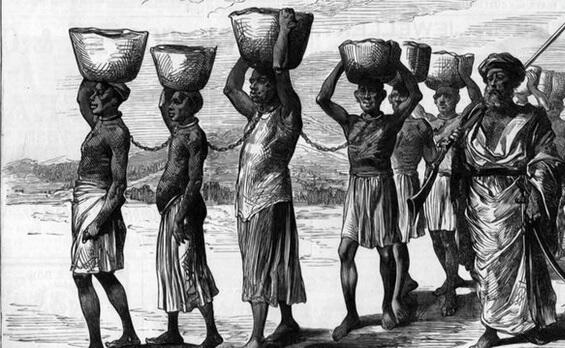
History of slavery and early colonisation in South Africa
With colonialism, which began in South Africa in 1652, came the Slavery and Forced Labour Model. This was the original model of colonialism brought by the…
 Article
The Empty Land Myth
The Empty or Vacant Land Theory is a theory that was propagated by European settlers in nineteenth-century South Africa to support their claims to land. Today…
 Article
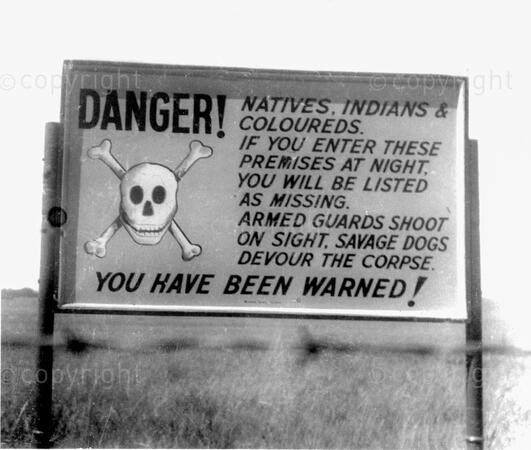
A history of Apartheid in South Africa
Background and policy of apartheidBefore we can look at the history of the apartheid period it is necessary to understand what apartheid was and how it…
The Genootskap vir Regte Afrikaners/Fellowship of True Afrikaners
The Genootskap vir Regte Afrikaners (the GRA, the Fellowship of True Afrikaners) was launched in Paarl, Western Cape on 14 August 1875. The society was…
A history of Volkskas and the Absa Banking group
Volkskas was one of the four largest banking conglomerates in South Africa, and one of the three biggest Afrikaner monopolies. It was established to harness…
The Boerenvereenigingen: precursor to the Afrikaner Bond
In the 1870s a series of farming associations emerged in the Cape, both in the west and in the east. While both English and Afrikaner associations emerged, the…
The Afrikaanse Handelsinsituut
The Afrikaanse Handelsinsituut (AHI – in English the Afrikaans Commercial Institute) was formed during WWII to create Afrikaner businesses and represent their…
The Afrikaner Bond
The Origins of the Afrikaner Bond The Afrikaner Bond, an Afrikaner political organisation that was effectively the first political party in South Africa, was…
 Article
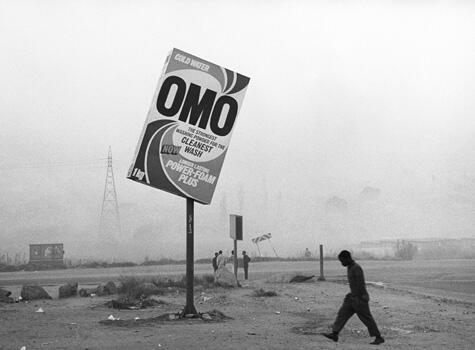
Afrapix
Afrapix – Comrades with Cameras A history of a South African anti apartheid Documentary Photography Collective Afrapix, a progressive photographers'…
 Article
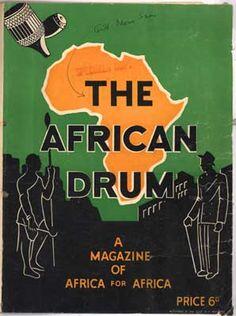
Drum Magazine
The establishment of Drum Magazine in the 1950s, notwithstanding the newly-elected Nationalist Party’s policy of Apartheid, reflected the dynamic changes that…
Independent Electoral Commission
INDEPENDENT ELECTORAL COMMISSION IEC) Residents of Soweto queue up to cast their votes in South Africa's third democratic elections April 2004 VISION…
 Article
South African Institute of Race Relations
The South African Institute of Race Relations (SAIRR) was established in 1929 as an organization geared towards conducting research on race relations. From…
 Article
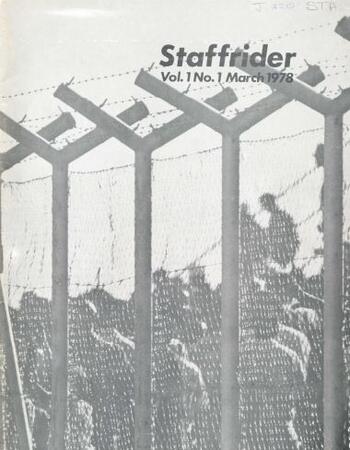
Staffrider magazine (1978-1993)
Introduction Staffrider was a South African literary and arts magazine published by Ravan Press in Johannesburg from 1978 to 1993. It took its name and…
 Article
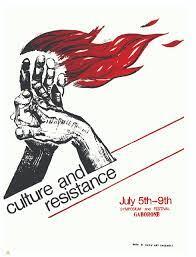
Culture and Resistance Conference, Botswana, 1982
Several hundred artists and activists from South Africa living in exile and within the country, as well as foreign nationals, were hosted by the Botswana…
 Article
Responses in South Africa to the outbreak of WWI: The African Peoples Organisation and the Teachers League of South Africa
Like their African counterparts, the organisations of the coloured elite came out strongly in support of the British war effort. They shared the same illusions…
 Article
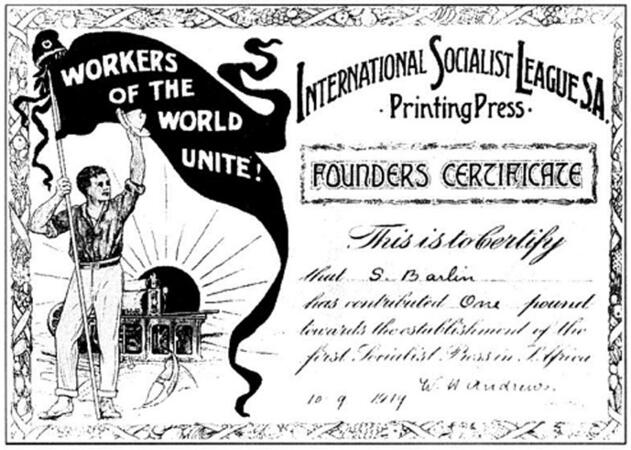
Responses in South Africa to the outbreak of WWI: The Formation of the International Socialist League (ISL)
The out break of the First World War had profound consequences for the development of socialist labour politics in South Africa. Before the war, the Labour…
 Article
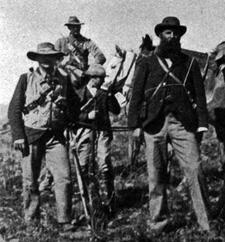
Responses in South Africa to the outbreak of WWI: The Afrikaner Response and the 1914 Rebellion
When the First World War broke out in August 1914, the British Government called upon the dominions in the British Empire to come to its assistance. The South…
 Article
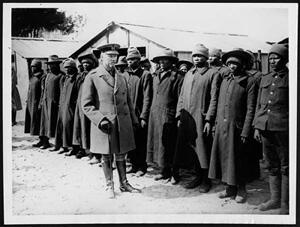
World War I and the South African Native Labour Contingent
The South African Native Labour Contingent (SANLC) was formed in 1916 in response to a request from the British Imperial Government for an African labour force…
 Article
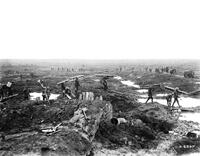
The Western Front
At the outbreak of the First World War, Germany put into operation the Schlieffen Plan. This plan was based on the assumption that in case of a war breaking…
 Article
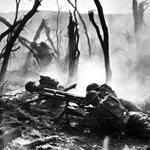
World War I Timeline 1915
1 January Battle of Artois and Champagne in France begins. 31 January 1915 The German Army makes use of poison gas for the first time in an attack on the…
 Article
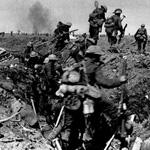
World War I Timeline 1916
18 February The German colony of Cameroon falls to French and British forces after 17 months of fighting. 21 February–19 December The Battle of Verdun…
 Article
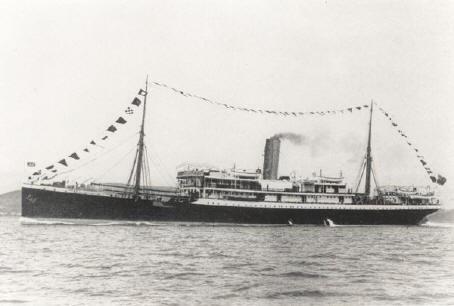
SS Mendi
The sinking of the SS Mendi was caused by the reckless action of the captain of the SS Darro. It remains the greatest wartime maritime disaster ever suffered…
The Battle of Square Hill
Participation as combatants in the First World War was reserved for men of “European descent”. [i] According to Article 7 of the South African Defence Force…
 Article
Defeat of the Liberation struggle
Following the 1960 Sharpeville Massacre, the Government declared a State of Emergency (SOE), in 83 magisterial districts – the first state of emergency…
 Article
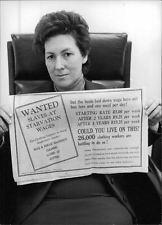
Harriet Bolton and the Garment Workers Industrial Union
By the 1950s, Harriet Bolton began to help with organising work in the unions. From the late 1960s Harriet Bolton was an executive committee member of TUCSA. …
 Article
1973 Durban Strikes – TUCSA – Harriet Bolton
Following the 1973, Durban strikes, TUCSA seemed unwilling to hold to book employers. TUCSA had long paid lip service to the ideal of African unions registered…