
SAHO global search
2,566 records
History of Muslims in South Africa: 1932 - 1949 by Ebrahim Mahomed Mahida
From the book: History of Muslims in South Africa by Ebrahim Mahomed Mahida 1932 Subsidies for Cape Muslim Primary Schools Du Plessis maintains that in 1931…
 Article
Sotho (South Sotho or Basotho)
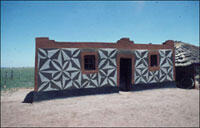
Sotho (South Sotho or Basotho) people are concentrated in the Free State, Gauteng and Eastern Cape Provinces, with small groups in Namibia and Zambia. While…
 Article
World War I and the South African Native Labour Contingent
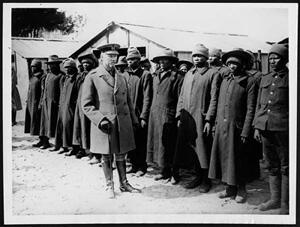
The South African Native Labour Contingent (SANLC) was formed in 1916 in response to a request from the British Imperial Government for an African labour force…
 Article
Defiance Campaign timeline 1948-1952
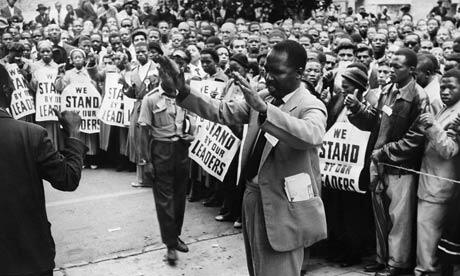
1948 May 26, The National Party (NP) wins election and immediately introduces apartheid (separateness) measures against Blacks, Indian immigrants and those…
 Article
The Roots of Apartheid in the Construction of Buchuberg Dam
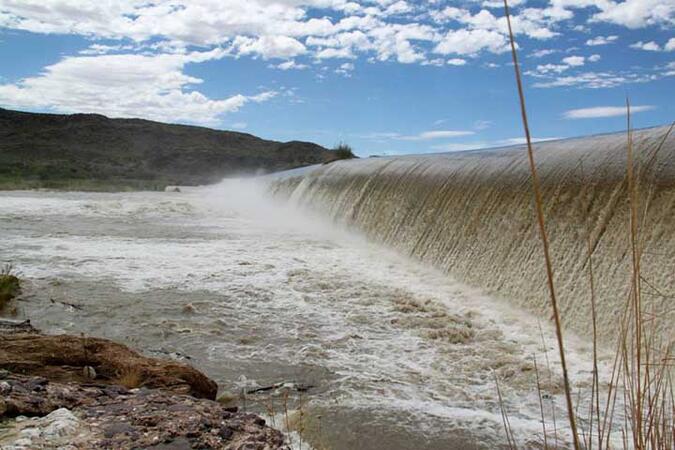
At the start of the 20th century South Africa faced a poor white epidemic. The state justified Apartheid as an "anti-poverty program for whites".[1] This poor…
 Article
The Wragg Commission (1885-1887)
Indian immigration into Natal brought with it strained relations and severe problems and conflicts between the White colonists and the new arrivals. Within a…
 Article
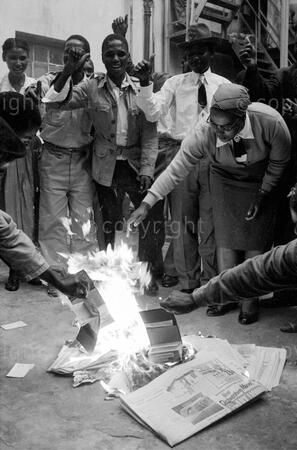
Aftermath: Sharpeville Massacre 1960
International responsesThe Sharpeville massacre was reported worldwide, and received with horror from every quarter. South Africa had already been harshly…
 Article
Grade 7 - Term 1: The Kingdom of Mali and the City of Timbuktu in the 14th Century
Timbuktu, French Tombouctou, is a city in the western African country of Mali. Often used as a popular term to describe a distant and mystical place, the city…
 Article
Yusuf Dadoo Timeline: 1940-1949
Yusuf Dadoo Timeline: 1940 - 1949 1940 Within a year of his joining the Communist Party of South Africa (CPSA), Dr Yusuf Dadoo's role as an activist in…
 Event
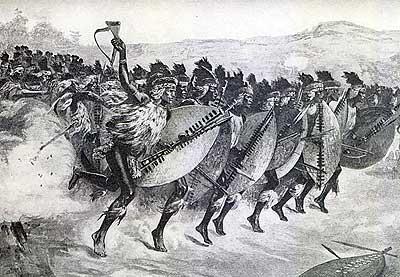
EventThe Battle of Kambula takes place
On 29 March 1879, the Anglo-Zulu War Battle of Kambula took place. The battle involved the British Number 4 Column, led by Colonel Evelyn Wood VC and the Zulu…
Indian Slaves in South Africa: Notes for monograph, 26 June 1995
INTRODUCTION There has been hardly any research in India on the transport of Indians to South Africa as slaves during the Dutch settlement in the Cape of Good…
 Event
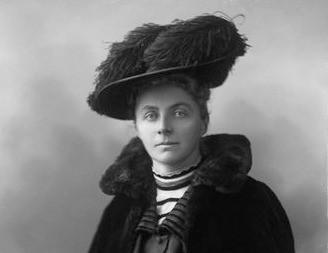
EventEmily Hobhouse reports on her findings regarding concentration camps during the Second Anglo Boer War
Emily Hobhouse, an English philanthropist and social worker who visited the Transvaal and Orange Free State Republics during the Second Anglo Boer War,…
 Article
Southern African Development Community (SADC)
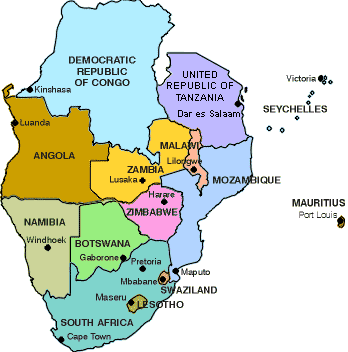
Southern African Development Community (SADC) was established in 1980 as the Southern African Development Coordination Conference (SADCC), adopting its current…
 Article
Harriet Bolton and the Garment Workers Industrial Union
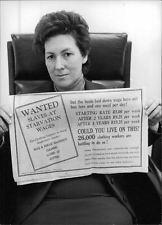
By the 1950s, Harriet Bolton began to help with organising work in the unions. From the late 1960s Harriet Bolton was an executive committee member of TUCSA. …
 Article
The turbulent 1950s - Women as defiant activists
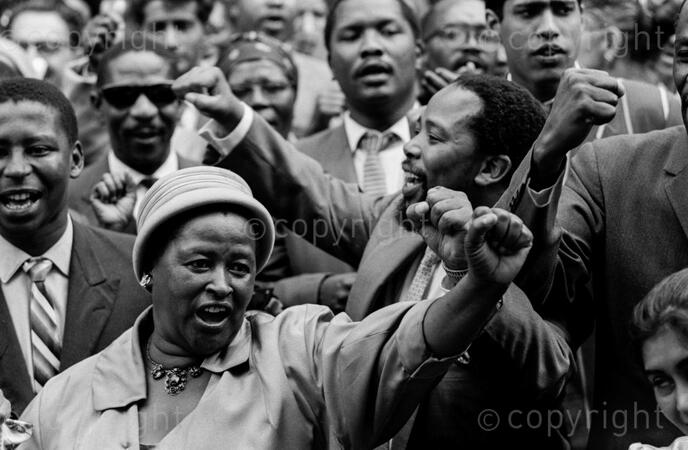
In the 1950s the government's increasingly repressive policies began to pose a direct threat to all people of colour, and there was a surge of mass political…
 Place
PlaceLimpopo Province
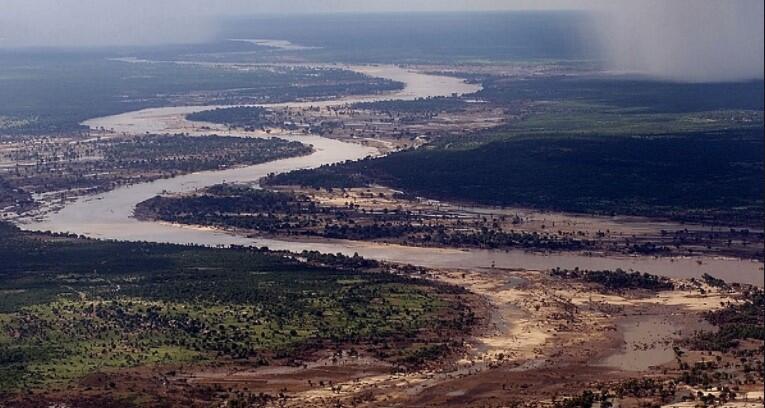
The Limpopo Province covers the Area that lies Northern most in South Africa, just South of Zimbabwe. It was first called the Northern Province, but this was…
 Event
Event523 people die in the Black concentration camps of the Second Anglo Boer War
On 11 October 1899 war was officially declared between Britain and the Boers. In March 1901 Lord Kitchener, the commander of the British forces, decided to cut…
 Article
Black Concentration Camps during the Second Anglo-Boer War, 1900-1902
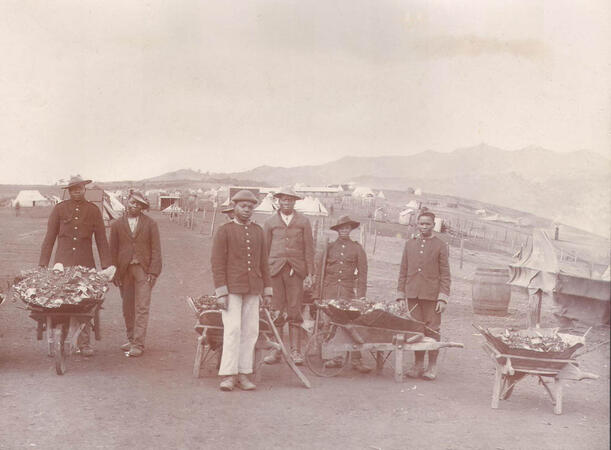
While the two main forces in the Anglo-Boer War 2 were White, it was not an exclusively White war. At least 15 000 Blacks were used as combatants by the…
 Article
Responses in South Africa to the outbreak of WWI: The Afrikaner Response and the 1914 Rebellion
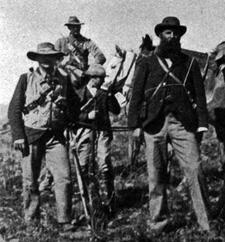
When the First World War broke out in August 1914, the British Government called upon the dominions in the British Empire to come to its assistance. The South…
 Article
Cape Town Timeline 1300-1997
Photograph of a Khoisan lady. Source: unknown 1300-1599 c.1300-c.1500 The Khoisan are established as the dominant power in the southern and south…
 Place
PlaceNederlandse Hervormde Kerkgebou, Pretoria
The ‘Nederduitsch Hervormde' congregation was founded on 8 and 9 September 1855 in Pretoria. It was one of the independent churches started by the …
 Event
EventSomerset concludes a treaty with Ngqika (aka Gaika)
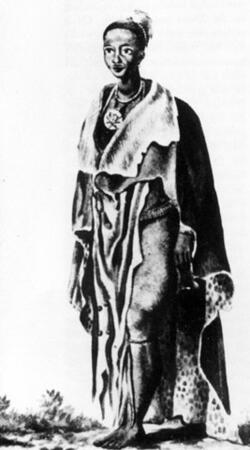
On this day 1817, Cape Governor Lord Charles Somerset concluded a treaty with the Xhosa chief, Ngqika (who was also known as Gaika). The treaty was concluded…
Debating Lineages of Socialism in Africa Webinars
South African History Online, the Wits History Workshop, the Department of History at the University of the Free State, the Department of Development Studies…
 Event
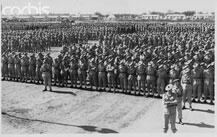
EventThe SA 6th Division enters Florence in World War II
At the outbreak of World War II in 1939, the South African government was divided on the issue of participation. However, the vote to fight on the side of the…
 Article
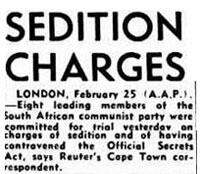
The Sedition Trial 1946 - 1948
The history of the struggle against racial oppression and exclusion in South Africa is inextricably intertwined with the struggle of workers against…
 Event
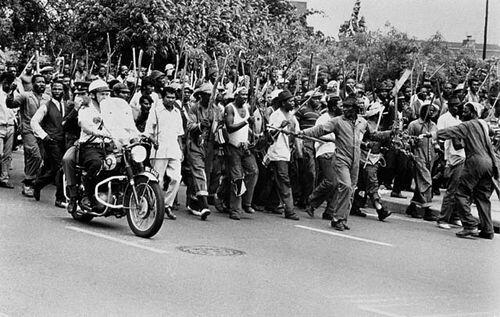
EventViolence erupts in Bophuthatswana Townships and Kathlehong
Violence erupted when 50 000 (or 100 000 according to police) residents from GaRankuwa, Mabopane, Soshanguve and areas in the Odi district presented a petition…
The Segregation Fallacy and Other Papers - The Financial Strangulation of Native Education
From the book: The Segregation Fallacy and Other Papers by D.D.T Jabavu A great lover of the Bantu was once asked what, in his opinion, were the three…
 Event
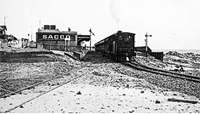
EventRailway line between Cape Town and Beira in Mozambique is completed
On 6 October 1902 the 3200km long railway line between Cape Town, South Africa and Beira in Mozambique was completed. The construction of the Beira Railway to…
 Article
1973 Durban Strikes
Introduction On 9 January 1973, workers at the Coronation Brick and Tile factory, outside Durban, came out on strike. Immediately thereafter, workers from…
General Factory Workers Benefit Fund (GFWBF)
NUSAS students set up the General Factory Workers Benefit Fund (GFWBF) in 1972. They worked closely with Harriet Bolton of TUCSA. The aim of the GFWBF was,…