
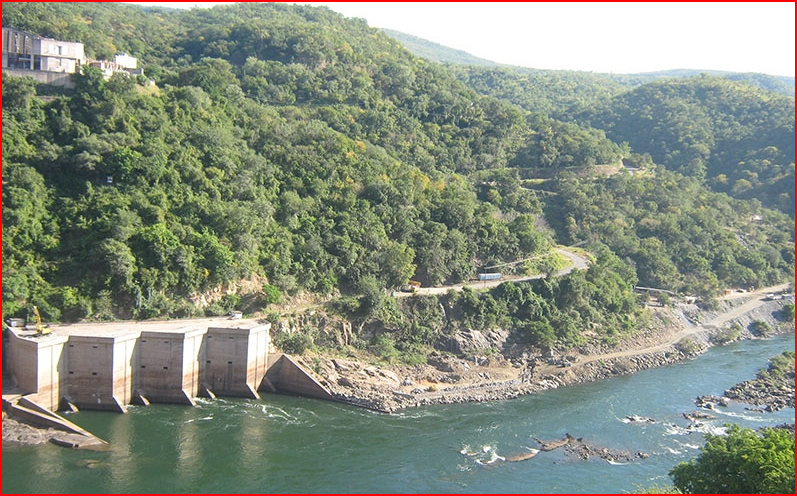
The river has supported villagers for thousands of years and 'Mosi-oa-Tunya', or known as the Victoria Falls, was considered a sacred site on the Zambezi. The first known European to come across it was Vasco da Gama, in January 1498, who anchored at what he called: 'Rio dos Bons Sinai's' (‘River of Good Omens’).
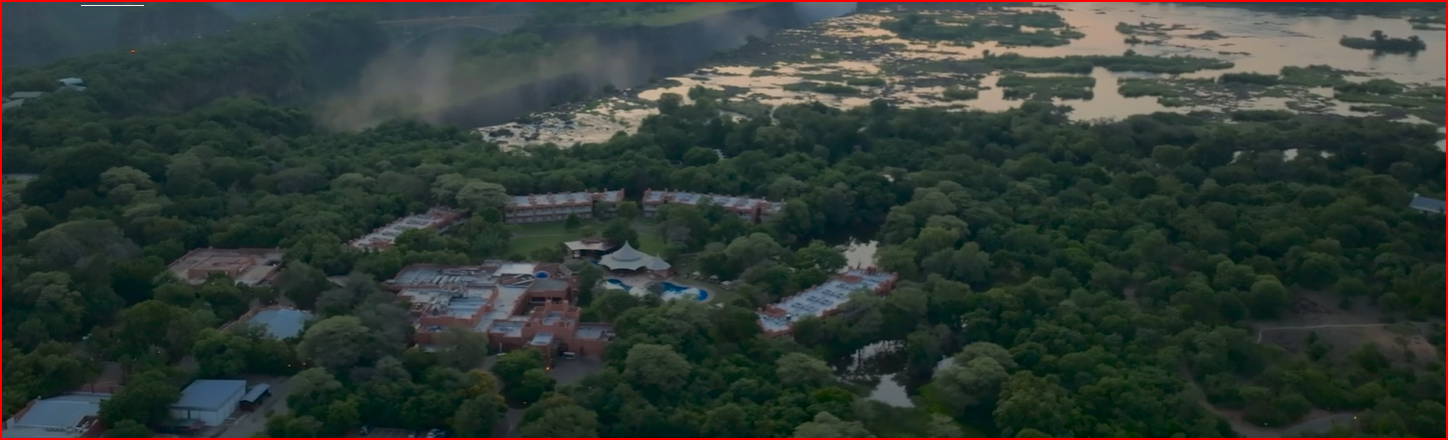
Victoria Falls is known locally as 'Mosi-oa-Tunya', which translates to “The Smoke that Thunders”. This nickname is iconic and discribes the sounds of the tumbling water, beautifully. It is truly a breathtaking sight that straddles the border between Zimbabwe and Zambia.
SAHO is free because readers fund it. Donate →
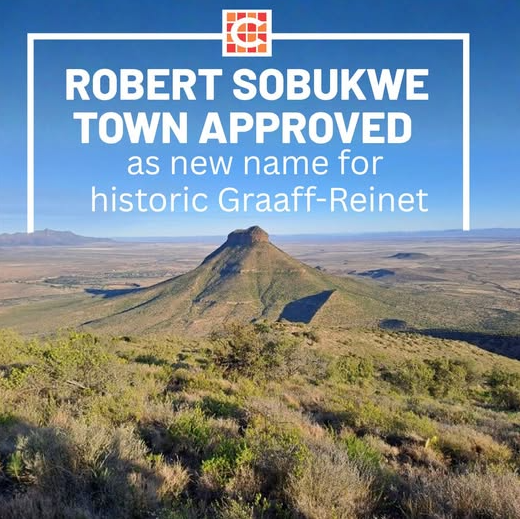
Set in a twist of the Sundays River, the Great Karoo town of Graaff-Reinet is one of the oldest towns in South Africa, dating back to the Great Trek, between 1835 and the early 1840's.
SAHO is free because readers fund it. Donate →
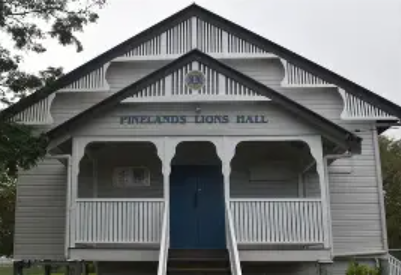
Pinelands is just 10 km from the city centre. It originally was an unsuccessful attempt at a pine tree plantation called: 'Uitvlugt'. Rows of pine trees were planted on what was then the desolate Cape Flats.
SAHO is free because readers fund it. Donate →
There are no fewer than seven gold mines surrounding the town. As if to make up too all noise of this industry the Abe Bailey Nature Reserve lies just outside, Carletonville. This is a sanctuary of grassland and wetland where bird spotting is done and well rewarded with the prospect of seeing at least 60 species on any given morning. The Greater and Lesser Flamingo use the wetland as do; 'Various cranes; Swamp hens; Herons; the African fish eagle and Korhaans'. ("There are also some lovey shaded picnic spots, for day visitors!)
SAHO is free because readers fund it. Donate →
Umdoni Local Municipality is located under the Ugu District Municipality in the KwaZulu-Natal Province. It is made up of 10 wards, most of which are rural areas.
SAHO is free because readers fund it. Donate →
Stilfontein is a town located in the North West Province of South Africa, with 17,942 inhabitants (2025).
SAHO is free because readers fund it. Donate →
The road was named after William Nicol, the Administrator of the Transvaal, at the time of construction. It was changed in 2024 to the: 'Winnie Mandela Drive' and the new signage was installed early in that year.
SAHO is free because readers fund it. Donate →