
Politics & Society
258 records
Indian South Africans timeline 1950-1959
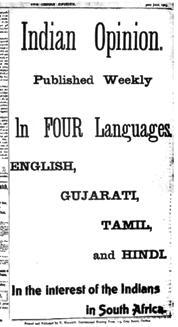
Indian South Africans Timeline: 1950-1959 1950 A.K.M. Docrat, a popular activist, was named under the Suppression of Communism Act. He…
 Article
Indian South Africans timeline 1920-1929
1920 February, The Asiatic Inquiry Commission, headed by Sir Johannes Lange, is appointed to inquire into laws concerning the right of…
Yusuf Dadoo Timeline: 1910 - 1919
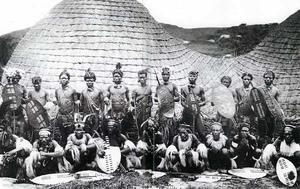
1910 February 26, Mohandas Karamchand Gandhi supports the African Peoples’ Organisation (APO) resolution to declare the day of arrival…
 Article
Zulu
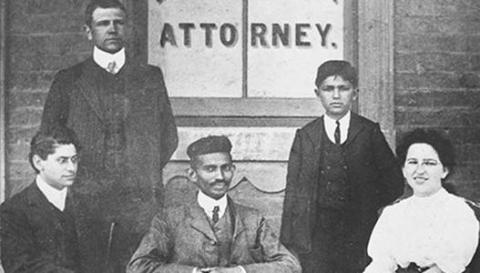
The four major ethnic divisions among Black South Africans are the Nguni, Sotho, Shangaan-Tsonga and Venda. The Nguni represent nearly two…
 Article
Indian South Africans timeline 1930-1939
1930 The Durban Municipality was a major employer of Indian labour, employing an average of 2 000 workers through the 1930s and 1940s. …
 Article
Indian South Africans timeline 1960-1969
Indian South Africans Timeline: 1960-1969 1960 19 February, Dr Monty Naicker called for strength in resistance, citing the example of…
Yusuf Dadoo Timeline: 1900 - 1909
1902 At the cessation of hostilities, Sir Alfred Milner, the former British High Commissioner and Governor of the Cape and now…
 Article
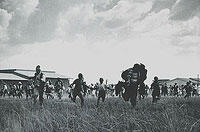
Sharpeville Massacre, 21 March 1960
At the annual conference of the African National Congress (ANC) held in Durban on 16 December 1959, the President General of the ANC, Chief…
 Article
1960 - 1994: Armed Struggle and Popular Resistance
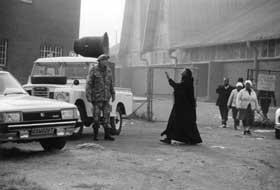
1984-1990:- The people armedIntroductionNumerous factors characterised the intensification of the freedom struggle against the National…
 Article
Natal Indian Congress (NIC)
The NIC (Natal Indian Congress) was the first of the Indian Congresses to be formed. It was established in 1894 by Mahatma Gandhi to fight…
 Article
End Conscription Campaign (ECC)
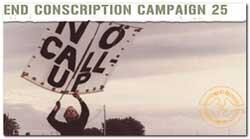
In the late 1970s four young men publicly refused to obey their army call-ups by the South African Defence Force (SADF) and were sentenced…
 Article
Non-European Unity Movement (NEUM)
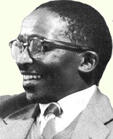
This article was written by Baruch Hirson A Short history of the Non-European Unity – An insider's view Where is the Non-European Unity…
 Article
Azanian People’s Organization (AZAPO)
In aftermath of the June 16 Uprising, the government cracked down on student activists and organisations alike. On 19 October 1977 the…
 Article
South African Defence Force (SADF)
Early years The history of the South African Defence Force (SADF) can be traced to the 1660s. When Jan van Riebeeck landed at the Cape in…
 Article
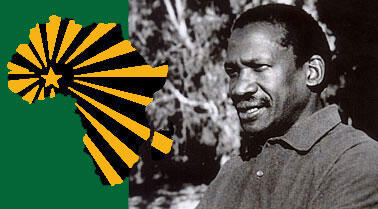
Pan Africanist Congress (PAC)
The Pan Africanist Congress (PAC) is a political party whose presence in the South African political landscape spans just over half a…
 Article
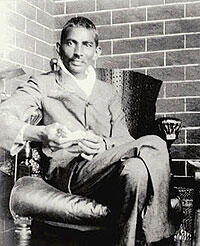
South African Indian Congress (SAIC)
The period 1860-1923 is characterised firstly by the introduction of indentured Indian labourers into Natal and of the "passenger" Indians…
 Article
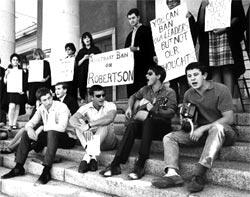
National Union of South African Students (NUSAS)
In 1924 the National Union of South African Students (NUSAS) was founded aimed at representing and promoting the interests of university…
 Article
South African Communist Party (SACP)
On 30 July 2011, the South African Communist Party (SACP) celebrated its 90th anniversary. Initially known as the Communist Party of South…
 Article
United Democratic Front (UDF)
The United Democratic Front (UDF) was an anti-apartheid body that incorporated many anti-apartheid organisations. It was launched in 1983,…
Afrikaner
From European to "Africaander” The modern Afrikaner is descended mainly from Western Europeans who settled on the southern tip of Africa…
 Article
A history of Indians in South Africa Timeline: 1654-2008
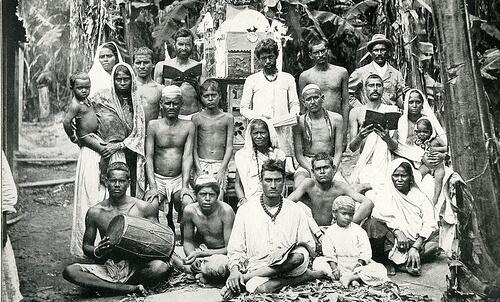
This is a collection of timelines of Indians in South Africa from 1654 until 2008.
 Article
Indian South Africans
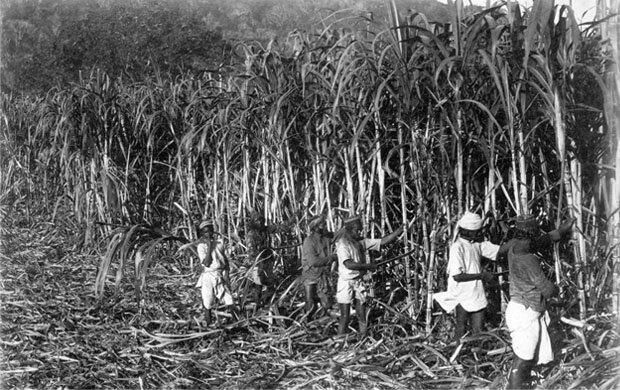
From bondage to freedom - The 160th anniversary of the arrival of Indian workers in South Africa The feature on Indian South Africans…
 Article
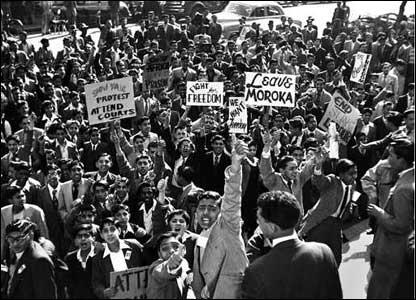
Defiance Campaign 1952
The post-1948 period saw the African National Congress (ANC) abandoning its traditional reliance on tactics of moderation such as petitions…
 Article
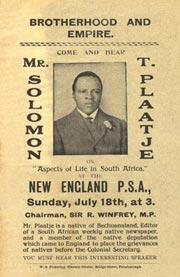
African nationalism and working-class & popular protests, 1910-1924
General Louis Botha headed the first government of the new Union of South Africa, with General Jan Smuts as his deputy. Their South African…
 Article
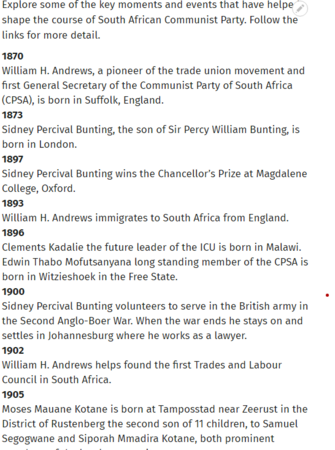
South African Communist Party Timeline 1870-1996
Explore some of the key moments and events that have helped shape the course of South African Communist Party. Follow the links for more…
 Article
African National Congress (ANC)
The African National Congress (ANC) is South Africa's governing party and has been in power since the transition to democracy in April 1994…
 Article
uMkhonto weSizwe (MK)
On 16 December, 1961, Umkhonto weSizwe (MK) was launched as an armed wing of the African National Congress (ANC). The formation of the…
 Article
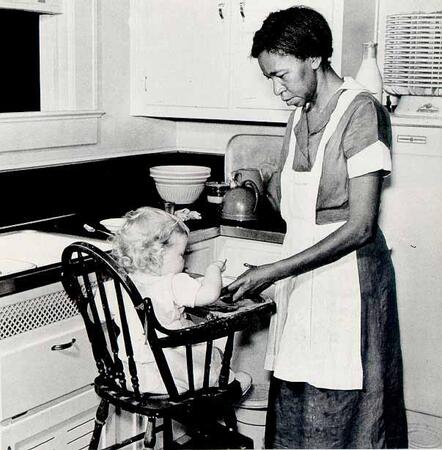
A brief history of domestic service in South Africa
Colonial History of Domestic Work Since slaves were used as domestic servants in the settler colony from the middle to late 18th century…
 Article
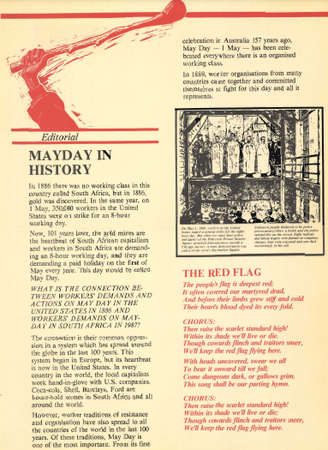
The South African Communist Party and May Day – Some Key Moments
May Day celebrated on 1 May annually, is a celebration of workers and their work. It has a long history, being a day of commemoration and…
 Article
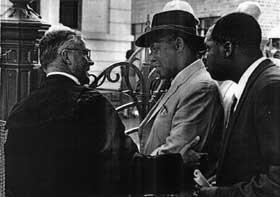
Pass Laws in South Africa
The Pass Laws was a system used to control the movement of Black, Indian and Coloured people in South Africa. The pass said which areas a…