
SAHO global search
584 records
 Article
History Grade 10 - Topic 4 Essay Questions and Answers
Shaka Zulu Legacy Essay questions on Shaka Zulu’s legacy will be asked as 8-mark questions where students have to use sources to answer the question. The…
Student Politics in the Era of Democracy
During the 1990-1994 period of political liberalisation and negotiations leading to the first democratic elections the South African Students Organisation …
 Article
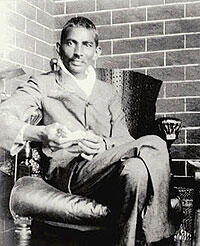
South African Indian Congress (SAIC)
The period 1860-1923 is characterised firstly by the introduction of indentured Indian labourers into Natal and of the "passenger" Indians who came to trade,…
 Article
Rivonia Trial 1963 - 1964
Often referred to as "the trial that changed South Africa,” in October 1963, ten leading opponents of apartheid went on trial for their lives on charges of…
 Article
Walter Sisulu Timeline 1912-2003
… cattle, sheep and goats like any peasant youth. Early 1920s Walter is exposed to a mediated version of Marcus …
Control: 1910 - 1948
Intervention from Above: The 1913 Native Land Act "Awaking on Friday morning, June 20, 1913, the South African Native found himself, not actually a slave,…
Formation and launch of the UDF
UDF launch at Mitchell's Plain in Cape Town. Source: http://www.nelsonmandela.org In the late 1970s moves to form united front against apartheid were set in…
 Article
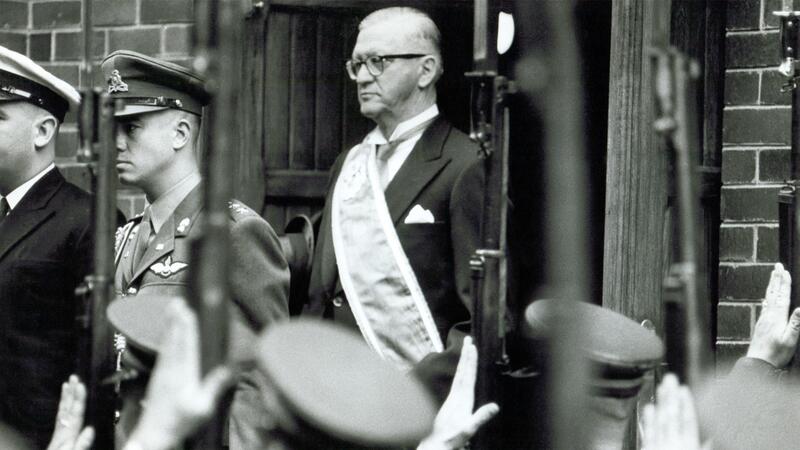
South Africa’s electoral history timeline 1910-2009
1910 First general election that followed the establishment of the Union of South Africa. Only White males had the right to vote. 1915 Second general…
 Article
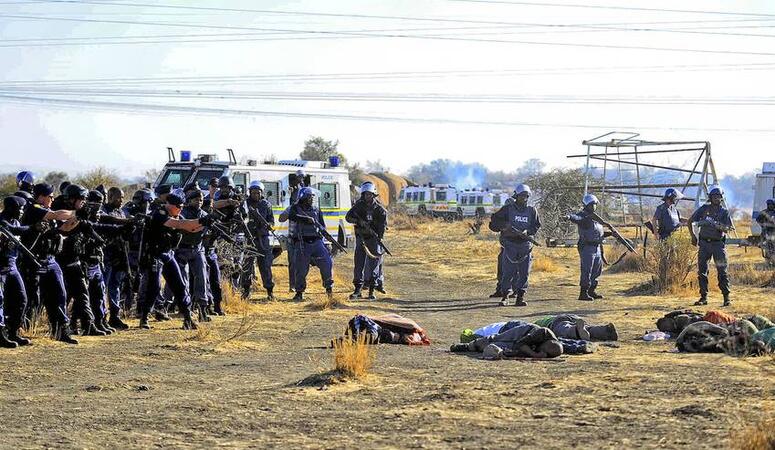
Popular resistance and police brutality in democratic South Africa
The apartheid era was characterised by different resistances such as the Sharpeville massacre, Vaal and the East Rand in 1985 and Soweto uprising of 1976. The…
Indian Community in Lenasia
From the very beginning, settlement in Lenasia was a contentious issue, driven with debates about race, class, collaboration with and resistance to apartheid…
 Article
Black Consciousness Movement of Azania (BCMA)
The Black Consciousness Movement of Azania (BCMA) was the external arm of the Black Consciousness Movement (BCM), and had offices in Botswana, England, the…
 Article
South Africa’s Foreign Relations during Apartheid, 1948
The position of South Africa in international affairs remained important throughout apartheid. The South African government needed to rely on the external…
 Article
The Union of Soviet Socialist Republics (USSR) and the Anti-Apartheid Struggle
Relations between Russia and South Africa In the late-19th century, Russia was engaged in rivalry with the British Empire, especially in Asia, and sought to…
Pedi
[baPedi – People and sePedi – Language] The four major ethnic divisions among Black South Africans are the Nguni, Sotho-Tswana, Shangaan-Tsonga and Venda…
 Article
50 Facts on Africa
In the modern-day world the view people are given of Africa is often a narrow one. In this piece we present 50 facts about this continent that people may not…
 Article
Art South Africa Today exhibitions
In May 1963, the Cape Times announced the launch of ‘a national art exhibition, open to South African artists of all races’. The first iteration of Art South…
 Article
Forced removals on Highveld and "black spots", 1912-1991
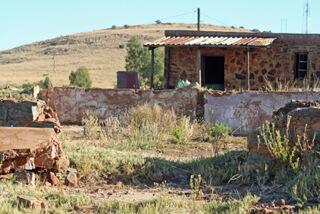
In the early 1960s the Apartheid government moved swiftly to dislodge numerous Black communities on the Transvaal Highveld occupying land in what was…
 Article
Zion Christian Church (ZCC)
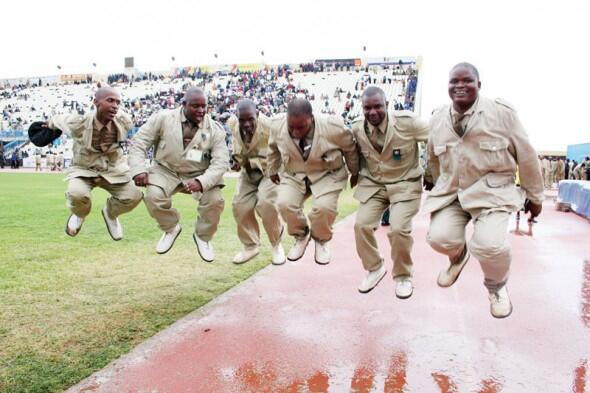
The largest and fastest-growing of the African independent churches in the 1990s is the Zion Christian Church[i] . Its members, estimated to number between 2…
 Article
Indian South Africans: 1924-1948 Legislation and Segregation
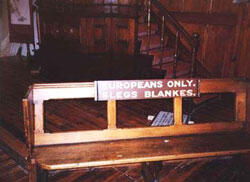
… Hertzog. Image source The Bills proposed by Hertzog in the 1920s finally got the two-thirds majority vote required to be …
Women at the start of the 20th century
It is only over the last three or four decades that women's role in the history of South Africa has, belatedly, been given some recognition. Previously the…
 Article
Ndebele
The four major ethnic divisions among Black South Africans are the Nguni, Sotho, Shangaan-Tsonga and Venda. The Nguni represent nearly two thirds of South…
 Article
Women and The Food and Canning Workers’ Union
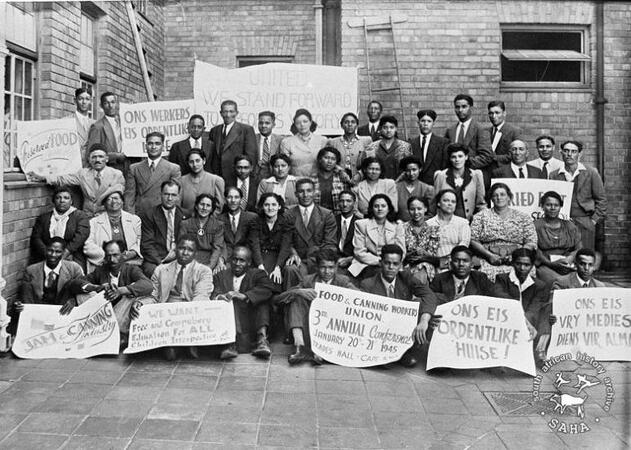
The fruit-canning industry in South Africa can be traced to the late nineteenth century, when the first jam factories opened in Paarl and Stellenbosch in the…
 Article
History Grade 11 - Topic 4 Contextual Overview
… that helped foster growing African nationalism in early 1920s . Industrial and Commercial Workers Union (ICU) was …
 Article
Black Consciousness and 16 June – The birth of a new generation
The Black Consciousness philosophy gained most of its support in the secondary schools and universities. The role played by the Black Consciousness Movement …
 Article
Forced Removals in South Africa
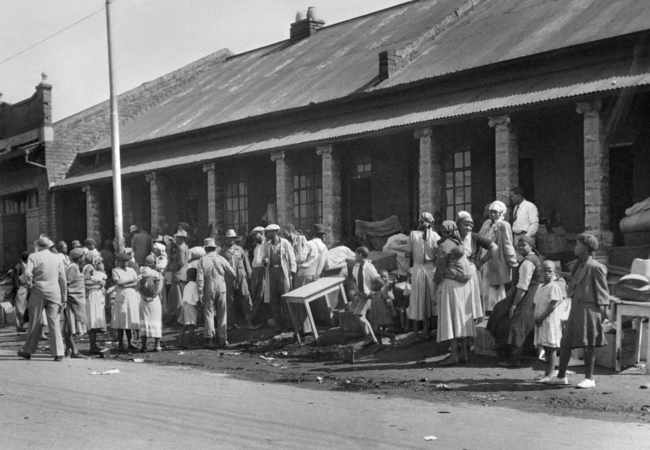
Forced removals refer to the moving of people from their homes against their will. This may not always involve physical threat or force, but sometimes coercion…
Increasing repression and the turn to the armed struggle
A series of legislations were passed by the NP led government in the 1950s as it sought to deal with dissent and entrench apartheid. Leading political…
 Article
The Namibian struggle for independence – 1966 – 1990 – a historical background
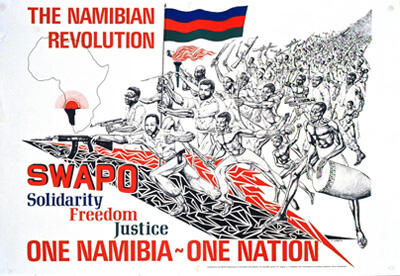
During the 1960s most of Africa’s countries had gained independence except for Namibia. Geographically, Namibia is made up of savannah, dry scrub land, as well…
 Article
Peter Henry Abrahams timeline 1919 - 1985
1919 Peter Abrahams is born in Vrededorp, Johannesburg in March 1919 to an Ethiopian father and a Coloured mother. His father passed away when he was young…
Trade Union Council of South Africa (TUCSA)
The Trade Union Council of South Africa (TUCSA) was founded in October 1954 by 61 unions mainly representing White workers and mixed unions of Coloured and…
 Article
Afrikaner Broederbond
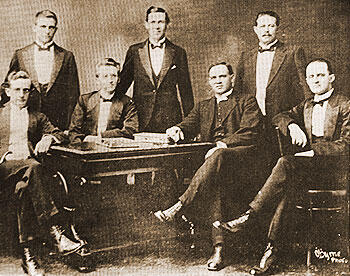
On 5 June 1918 disaffected Afrikaners were brought together in a new organisation called Jong Suid-Afrika (Young South Africa). The following year its name was…