
SAHO global search
2,865 records
Oliver Tambo, 1 October 1987 - Reproduced in Oliver Tambo and the Struggle against Apartheid, edited by E. S. Reddy
… and strengthened despite the severe reverses. By the mid-1970s, the underground structures had been re-established and …
Oliver Tambo, October 1987
… and strengthened despite the severe reverses. By the mid-1970s, the underground structures had been re-established and …
 Archive
Mandela’s Democracy by Andrew Nash, 26 June 2013
The Tribal Model of DemocracyIn his speech from the dock, at his 1962 trial for inciting African workers to strike and leaving the country without a passport,…
 Biography
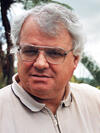
Franco Frescura
Franco Frescura was born in Trieste, Italy, on 28 September 1946. Both his parents originally came from Fiume, today known as Rijeka, in present-day Croatia…
 Archive
CHAPTER EIGHT: Indian Resistance Politics In Transition, 1990-1996 by Kumi Naidoo
This chapter comes from the book
Re-emergence of resistance, 1980-89
By the early 1980s, the Congress movement was becoming established as the most effective force in the fight against apartheid throughout the country. With the…
 Article
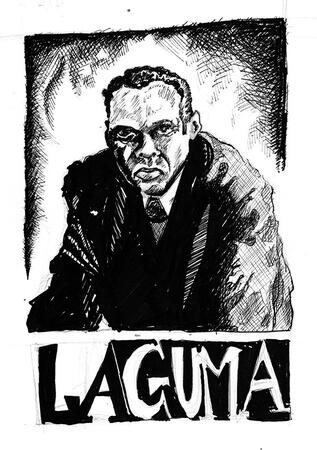
South African Coloured People Organisation (SACPO)
Like all other Black ethnic groups, the Coloureds also fell victim to segregation and repressive legislations enacted by Colonial and successive governments…
 Article
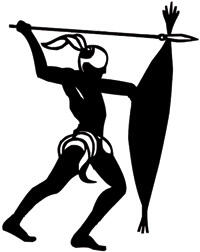
uMkhonto weSizwe (MK)
On 16 December, 1961, Umkhonto weSizwe (MK) was launched as an armed wing of the African National Congress (ANC). The formation of the MK Umkhonto…
86. Non-racial sport
From the book: A Documentary History of Indian South Africans edited by Surendra Bhana and Bridglal Pachai The South African Cricket Board (SACB), which is…
 Article
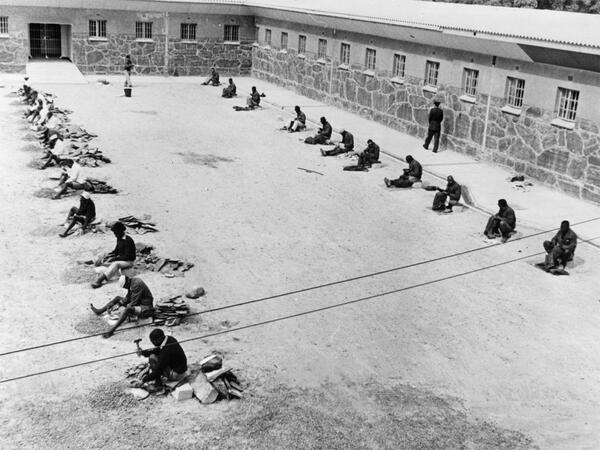
A history of prison labour in South Africa
Prison labour has a particularly debatable history in South Africa. Historically, South Africa operated on the understanding that prisons were places of…
 Article
Pondoland revolt - 1950 - 1961
The Pondo people fiercely resisted the rise of the Colonisersand their attempts to reshape and re-engineer Pondoland and to co-opt their Chiefs. Violence…
 Article
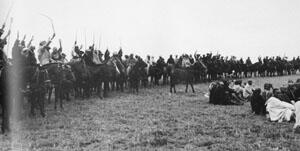
December 16 and the Construction of Afrikaner Nationalism
The date, December 16, holds a special significance in South African history. On this day in 1838, the Voortrekkers fought a battle for survival against…
 Place
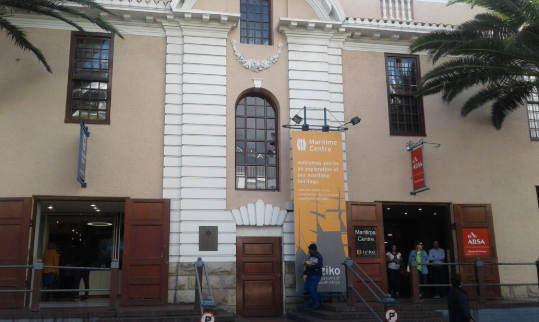
PlaceIziko South African Maritime Centre
The Iziko South African (SA) Maritime Centre opened in 1990. It is based at the Victoria and Alfred Waterfront (V&A Waterfront), Cape Town, Western Cape. The…
Afrikaner Newspapers and the newspaper industry from 1830
Afrikaner newspapers were essential supports for Afrikaner nationalism, and from the 1870s onwards they were used to mobilise Afrikaners, and after 1914 to…
The people armed, 1984-1990
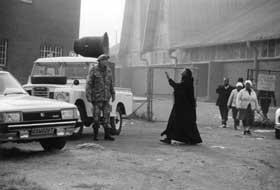
Introduction 1985, Desmond Tutu, armed only with the bible under his arm, confronts the SA forces during their attempts to break up a demonstration…
 Article
1960 - 1994: Armed Struggle and Popular Resistance
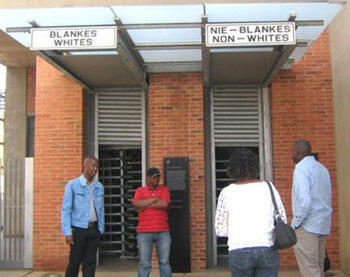
1984-1990:- The people armedIntroductionNumerous factors characterised the intensification of the freedom struggle against the National Party government in the…
 Article
Constructing heritage and heritage resources
… and resistance. During the war years of the 1960s and 1970s, the African people held up Great Zimbabwe as a symbol …
Document 58 - Robert Mangaliso Sobukwe, “The Opening Address at the Africanist Inaugural Convention”, 4 April 1959 [….]
From: South Africa's Radical Tradition, a documentary history, Volume Two 1943 - 1964, by Allison Drew Document 58 - Robert Mangaliso Sobukwe, "The Opening…
Pan-Africanism was Peter Abrahams’ Country by Tyler Flemming (Africa is a Country), 13 February 2017
On January 18, the world lost an icon. Only much of the world did not know it. South African-Jamaican writer Peter Abrahams died at 97 in Jamaica, where he has…
 Place
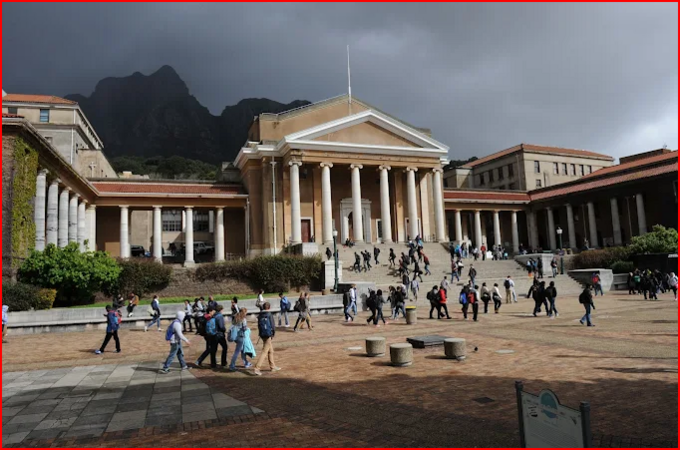
PlaceUniversity of Cape Town
The University of Cape Town is South Africa's oldest University! UCT is also one of Africa's leading Teaching and Research Institutions, with a number of…
 Biography
Ronald “Ron” Press
Ron Press was born in 1929. His father a cinematograph operator became the secretary of the Cinematograph Workers Union, a post he held for over 20 years. He…
 Place
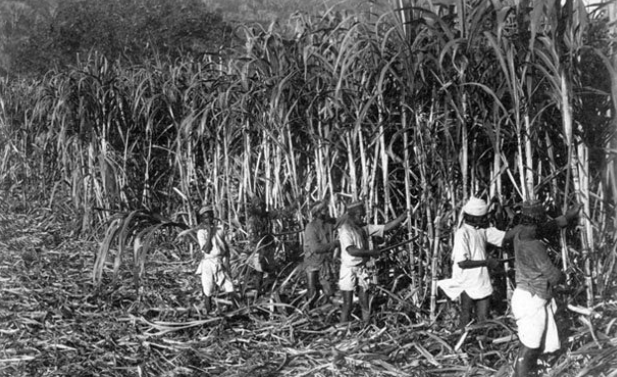
PlaceCompensation, Settlement near Durban
Compensation is a Settlement 43 km North-East of Durban, on the route to Umhlali-Tongaat. The Area of Compensation got its name from Compensation Farm acquired…
 Article
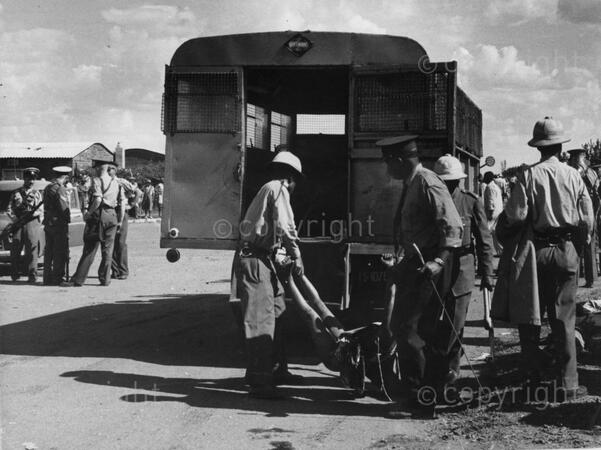
1960-1966: The genesis of the armed struggle
The 1960s marked an important watershed in South Africa's struggle against apartheid. The aftermath of the Sharpeville Massacre, in 1960, signalled the…
 Biography
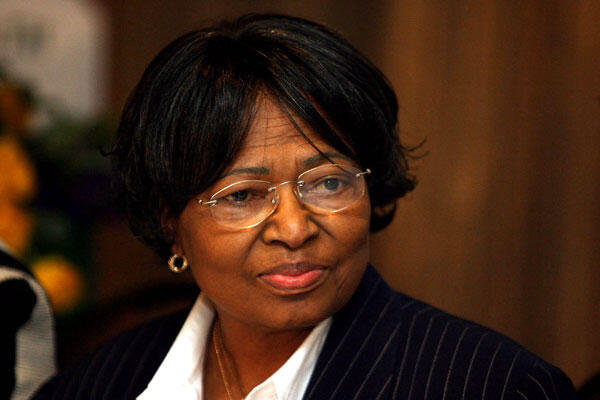
Dr. Mantombazana ‘Manto’ Tshabalala-Msimang
Manto Tshabalala-Msimang was born in Durban, KwaZulu-Natal on 9 October 1940. She attended Inanda Seminary Secondary School, a boarding school for black South…
 Biography
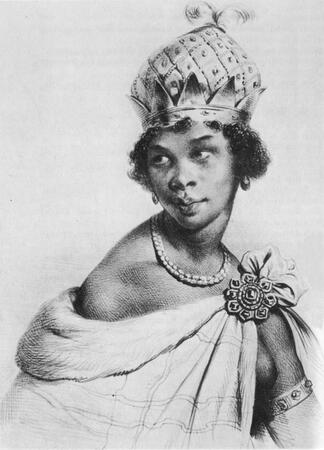
Njinga Ana de Sousa
The history of Queen Njinga (or Nzinga) of Ndongo/Matamba is contested. Portuguese colonial historians and missionaries would emphasise her conversion to…
Tribute to Prof Meer on her 80th birthday by Ari Sitas, 23 August 2008
South African History Online Tribute to Prof Meer on her 80th birthday by Ari Sitas 23 August 2008 Fatima Meer's career at Natal University spanned…
 Article
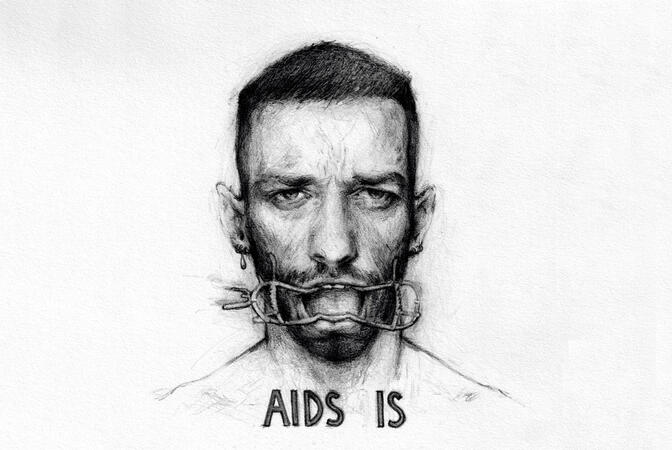
Legacy: A Timeline of HIV/AIDS by Carlos Motta
1908 Scientists suggest that yet unnamed Human Immunodeficiency Virus (HIV) was first transmitted, from one chimpanzee to one human, as early as 1908 in the…
 Place
PlaceAngola
… of governance the MPLA was weakened, and during the late 1970s UNITA, with help of their South African allies, …
Book 1: Ancient Civilizations and Global Trade - Chapter 4 - Some Reflections on Early African and South African History by Sekibakiba Peter Lekgoathi
From the book: Book 1: Ancient Civilizations and Global Trade commissioned by The Department of Education After 1994 politicians, historians, educators and…
 Article
Liberation history Timeline 1940-1949
The 1940s were characterised by changes that had a profound effect on the political landscape in South Africa. There was closer cooperation between the CPSA…