
SAHO global search
2,656 records
 Article
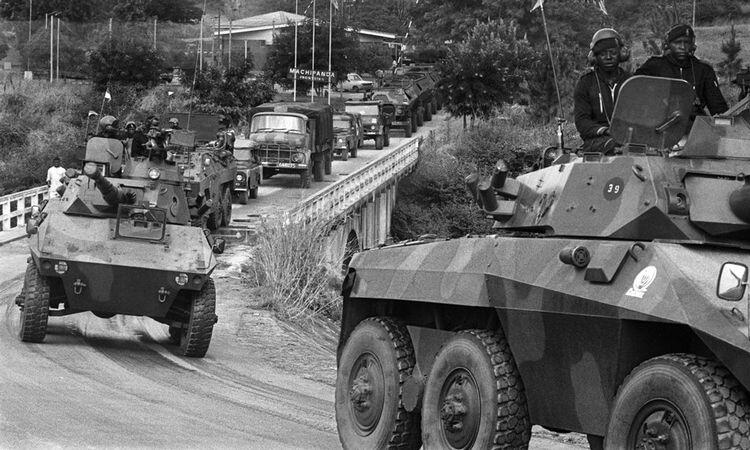
Frontline States
The collapse of apartheid and the advent of democracy in South Africa was regionally supported by a group of southern African states called the Frontline…
Historical ships and shipwrecks along the South African coast
South Africa’s Maritime History The Suez Canal allows for ships from Europe to travel to the East with ease. Before the canal was opened European ships had…
 Article
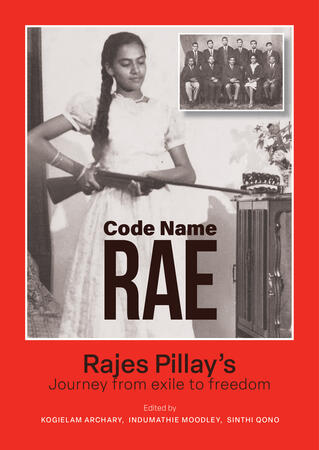
Code Name Rae book launch soon
Rajaluxmi Pillay (also known as Rajes) was born in 1944 in Pietermaritzburg and grew up in Kimberley. She studied in Britain between 1963 and 1966, before…
Book 6: Negotiation, Transition and Freedom - Chapter 4 - The Fruits of Freedom by Eddy Maloka
From the book: Book 6: Negotiation, Transition and Freedom commissioned by The Department of Education The first ten years of South Africa’s democracy…
 Article
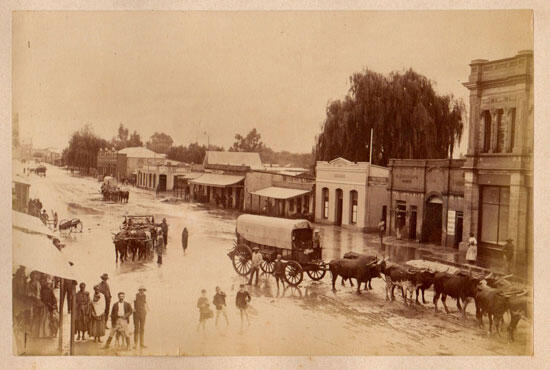
Pretoria Timeline 1800-2009
1825 Mzilikazi's arrival in Transvaal region. 1836 Andries Potgieter's arrives in the area north of the Vaal. 1837 Mzilikazi defeated by the…
Khoisan Identity
In his State of the Nation address on 9th February 2012, President Zuma uttered a promise that provisions would be made ‘for the recognition of the Khoi-San…
 Article
December 16 and the Construction of Afrikaner Nationalism
The date, December 16, holds a special significance in South African history. On this day in 1838, the Voortrekkers fought a battle for survival against…
 Biography
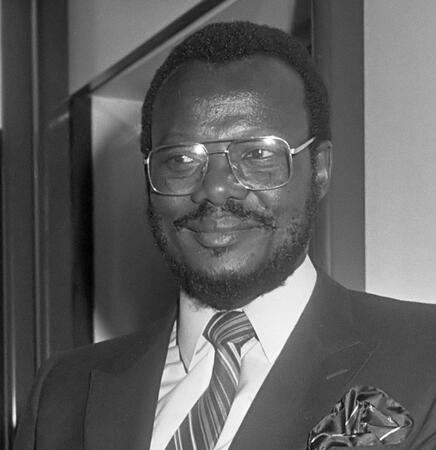
Chief Mangosuthu Gatsha Buthelezi
Chief Mangosuthu Gatsha Buthelezi, son of Princess Magogo Constance Zulu kaDinuzulu, King Solomon’s sister, and Inkosi Mathole Buthelezi, the King’s Prime…
Freedom In Our Life Time - Introduction
From the book: Freedom In Our Life Time by Anton Muziwakhe Lembede On Easter Sunday 1944 a group of young political activists gathered at the Bantu Men's…
 Article
The Drafting and Acceptance of the Constitution
On 2 February 1990, the National Party government unbanned political parties, released many political prisoners and detainees, and unbanned many people,…
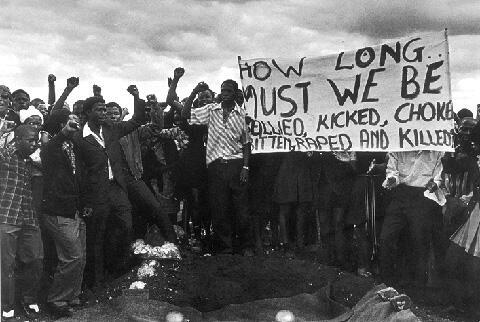
Book 5: People, Places and Apartheid - Chapter 3 - Politics and Consciousness in Cape Town Communities, 1980-1985 by Sean Field
From the book: Book 5: People, Places and Apartheid commissioned by The Department of Education Anti-dangerous work. This organisation happened in the…
Chapter 3 - Politics and Consciousness in Cape Town Communities, 1980-1985
Anti-dangerous work. This organisation happened in the context of people living in their racial or cultural ghettos, with their own experiences, histories and…
 Article
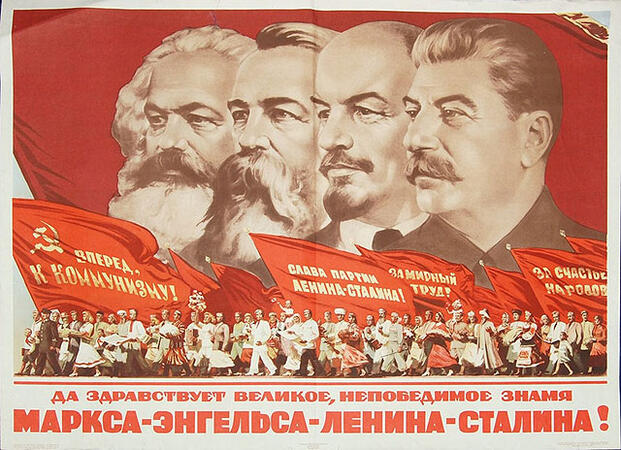
African Nationalism
Introduction Nationalism refers to an ideology, a form of culture, or a social movement that focuses on the nation. It emphasises the collective of a…
 Article
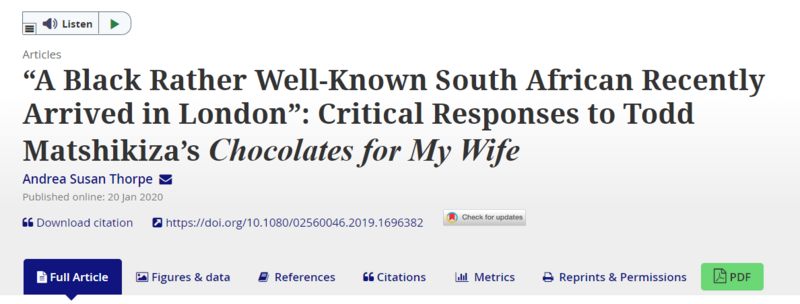
History Grade 11 - Topic 1 Contextual Overview
What is Communism? Communism is a social, economic, and political ideology whose aim is to establish a communist society in which there is a collective…
 Archive
“A Black Rather Well-Known South African Recently Arrived in London”: Critical Responses to Todd Matshikiza’s Chocolates for My Wife
In Todd Matshikiza’s autobiography, Chocolates for My Wife (1961), which describes the exiled South African writer and musician’s first two years in London, he…
 Place
PlaceMamelodi
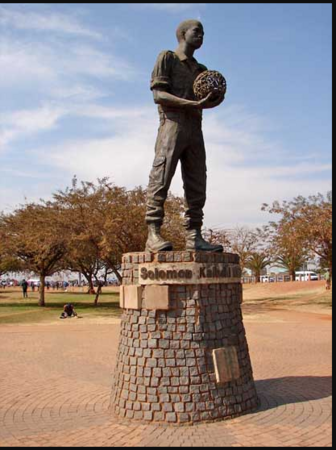
"Mamelodi" was the name given to President Paul Kruger by the Africans because of his ability to whistle and imitate birds, also meaning Mother of Melodies…
 Archive
A Place In The City - The Rand On The Eve Of Apartheid by Luli Callinicos
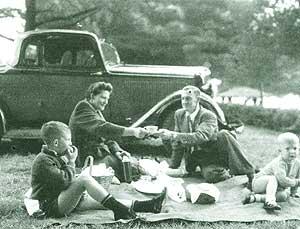
Introduction Tomorrow awaits you, long way to walk. It’s no use talking, to gold-propped ears When the National Party won the 1948 election, white…
Mafika Gwala’s Books Catalogue
Main catalogue Books 1. ASVAT, Farouk, 1952- EXILES within : an anthology of poetry / 7 South African poets. - Johannesburg : Writers Forum, 1986. -- 68p. :…
 Article
Liberation history Timeline 1940-1949
The 1940s were characterised by changes that had a profound effect on the political landscape in South Africa. There was closer cooperation between the CPSA…
Chapter 9 - Conclusion
Josiah Gumede, 1867-1946: An Historical Assessment"Gumede and John Dube are the pioneers who were the inspiration and foundation upon which the new leaders…
Contact, conflict and dispossession on the Cape eastern or northern frontiers in the nineteenth century
The situation in the Eastern Cape in the early late 18th and early 19th century (approximately1780 - 1850) was as follows: There were three groups of people: …
 Article
Miriam Makeba: Activist on Two Fronts by Connor Kirkpatrick
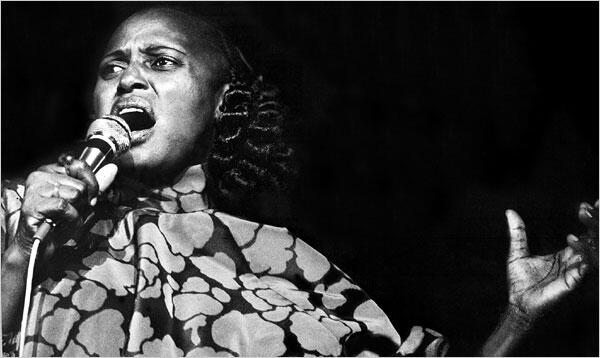
Miriam Makeba: Activist on Two FrontsAbstract:Miriam Makeba is a Gramy award-winning singer. She is from Johannesburg and dedicated her life to fighting for…
 Archive
What lost photos of Blue Notes say about South Africa’s jazz history by Lindelwa Dalamba , 14 October 2019
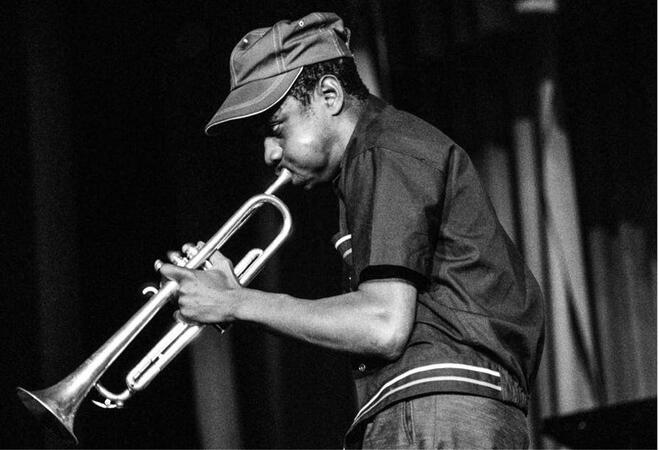
In 1964 a young South African student and photography enthusiast, Norman Owen-Smith, took his Leica camera along to a jazz concert at the then University of…
‘African Gandhi’: The South African War and the Limits of Imperial Identity by Goolam Vahed
Mahatma Gandhi achieved greatness for the struggles that he fought on the political, economic, cultural and moral fronts. His ideas about love, truth, soul…
 Article
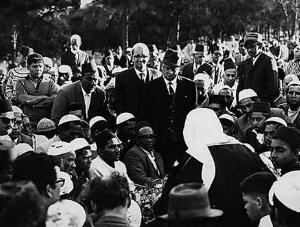
1967 Terrorism Act, No. 83 of 1967
The 1967 Terrorism Act was one the most important pieces of legislation passed by the South African apartheid regime. Though the Act’s stated purpose was to…
 Article
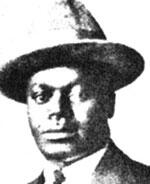
Pixley ka Isaka Seme Timeline 1881-1951
Pixley ka Isaka Seme Life Timeline 1881 1 October, Pixley ka Isaka Seme is born in Natal. 1906 Seme presents his speech at Columbia University on …
Iron Age Kingdoms of Southern Africa
Our ancestors survived by hunting wild animals and gathering berries and roots. The women usually gathered food while the men hunted. Source: museums.ncl.ac.uk…
Establishment of the Food Committee
In the 1940s, as a result of the Second World War, South Africa was undergoing a downturn in economic fortunes. Unemployment and food shortages were rife,…
Establishment of Food Committee
In the 1940s, as a result of the Second World War, the South African economy was very weak.Unemployment and food shortages were rife, exacerbating this…
Establishment of the Food Committee
In the 1940s, as a result of the Second World War, South Africa was undergoing a downturn in economic fortunes. Unemployment and food shortages were rife,…