
SAHO global search
217 records
Indian South Africans timeline 1940-1949
Indian South Africans Timeline: 1940-1949 1940 January, A meeting is held between the Nationalist Bloc, Transvaal Indian Congress (TIC) leadership and…
 Article
Liberation history Timeline 1940-1949
The 1940s were characterised by changes that had a profound effect on the political landscape in South Africa. There was closer cooperation between the CPSA…
The Convention for a Democratic South Africa (CODESA): CODESA 2
On October 25 1991, ninety-two organisations that were united in their opposition to apartheid gathered in Durban to form the Patriotic Front. The Front…
 Article
United Democratic Front timeline 1983-1990
1983 On 23 January, Allan Boesak makes a call for the formation of a ‘united front’ at an anti-SAIC Committee (TASC) conference in Johannesburg. Boesak…
 Article
Timeline 20 years of Democracy 1994 to 2014
1994 27 April,South Africa's interim constitution which was adopted in November 1993 came into effect on 27th April 1994 to administer South Africa’s first…
 Article
A Short History of ESKOM, Part 1 (1923-2001)
This short history of Electrical Supply Commission (ESKOM) aims to provide an overview of the history of the power utility over its first seventy-eight years…
 Article
The Mau Mau Uprising
The Mau Mau uprising began in 1952 as a reaction to inequalities and injustices in British-controlled Kenya. The response of the colonial administration was a…
Biography of Mtutuzeli Dudu Pukwana by Nick Mencia
Abstract: Mtutuzeli Dudu Pukwana was a South African jazz pianist and alto saxophonist from Port Elizabeth. Due to rising political oppression imposed by the…
 Article
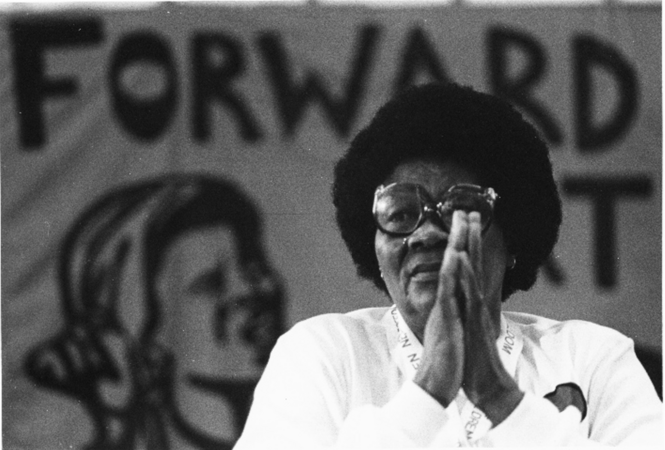
What has been the impact of the democratic transformation on the position of women within South African society? by Lucy Doyle
AbstractThrough the efforts of a dominant women’s movement in apartheid, the democratic transition in South Africa has enshrined gender equality within the…
 Article
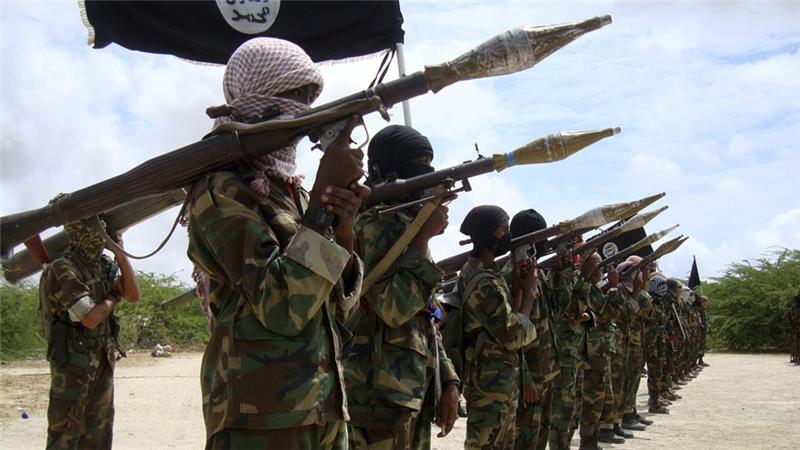
The History of Al-Shabaab
Origins The organisation known as Al-Shabaab originally emerged from the Islamic Courts Union (ICU) movement in Somalia. The ICU began as a loose grouping of…
 Article
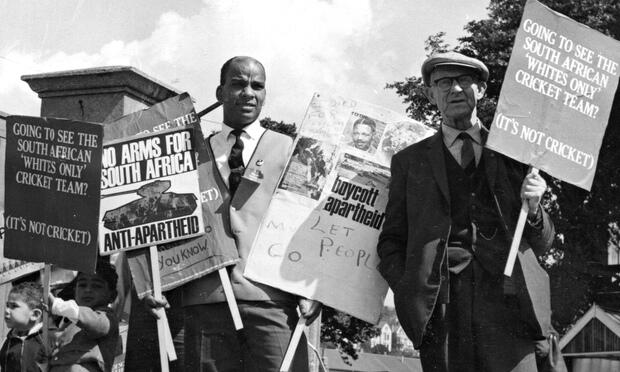
The British Anti-Apartheid Movement
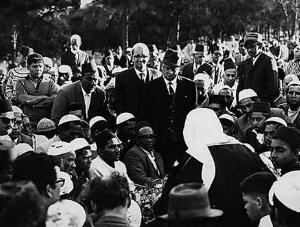
The reaction of the outside world to the development of apartheid was widespread, and by the 1980s posed a sustained challenge to the South African regime,…
 Article
1967 Terrorism Act, No. 83 of 1967
The 1967 Terrorism Act was one the most important pieces of legislation passed by the South African apartheid regime. Though the Act’s stated purpose was to…
 Article
The Angolan Civil War (1975-2002): A Brief History
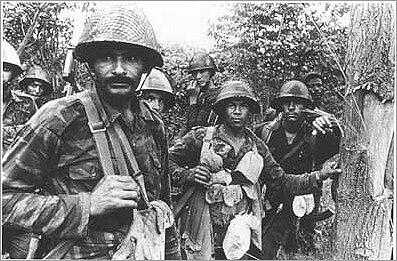
The overthrow of Portugal’s Prime Minister, Marcello Caetano, on 25 April 1974 hailed a watershed moment for the former Portuguese colonies of Mozambique,…
 Article
1960s: The Civil Rights and Black Power movements
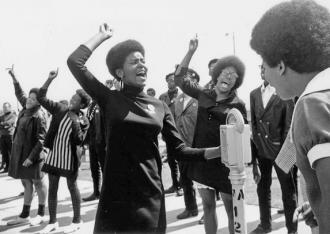
Introduction It is important to note that South African events do not occur in a vacuum, as we are part of a large continent and a much larger world…
Biography of Arthur Nortje by Kangkang Yang
Abstract: For most of his life, Arthur Nortje’s poetry remained relatively unknown, especially since he died very young at 28. Activist Dennis Brutus called…
The Colonial Photographic Discourse and Censorship – Challenges for Resistance Photographers
For each individual photographer, there was the struggle to overcome the blind spots resulting from an internalised apartheid ideology. To see what had not…
Biography of Eli Weinberg by Karen Folz
Abstract: Many South African Jews such as Eli Weinberg were heavily involved in the country’s anti-apartheid movement and faced exile as a result; other Jews…
 Article
Drafting of the Final Constitution
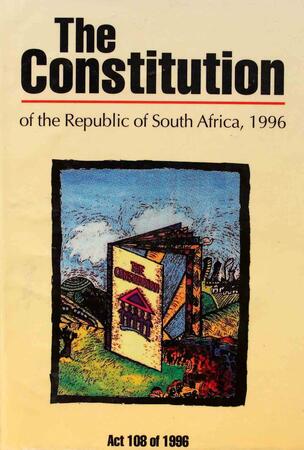
Introduction The transition from the Apartheid era to the new democratic dispensation was a powerful and fundamental process for South Africans. With many…
 Article
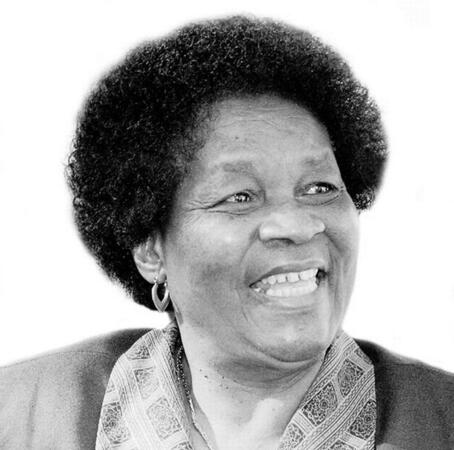
Albertina Sisulu Timeline 1918 - 2011
1918 21 October Nontsikelelo Thethiwe was born in the village Camama in the Tsomo district of the Transkei to a very large family. Circa 1926 Albertina…
 Article
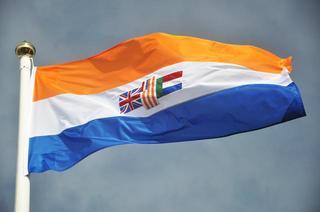
South Africa’s Foreign Relations during Apartheid, 1948
The position of South Africa in international affairs remained important throughout apartheid. The South African government needed to rely on the external…
 Article
Nelson Mandela Timeline 1980-1989
1980 25 January, Three MK cadres, on their way to carry out a sabotage mission, take refuge in the Silverton branch of Volkskas Bank after realising they were…
 Article
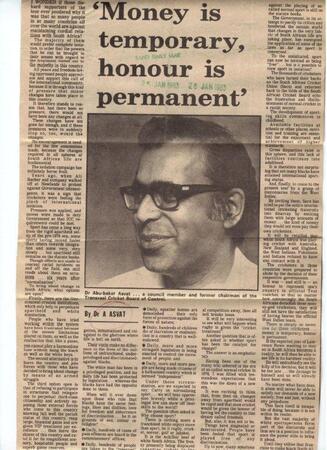
Dr. Abu Baker Asvat timeline 1943 - 2012
1943 23 February, Abu Baker Asvat is born in Vrededorp, Gauteng. 1961 Asvat graduates from Johannesburg Indian High School and moves to Pakistan to…
 Article
uMkhonto weSizwe (MK) in exile
Introduction Following British victory in the South African War, the Union of South Africa was forged in 1910 under the British Commonwealth. The Union…
 Article
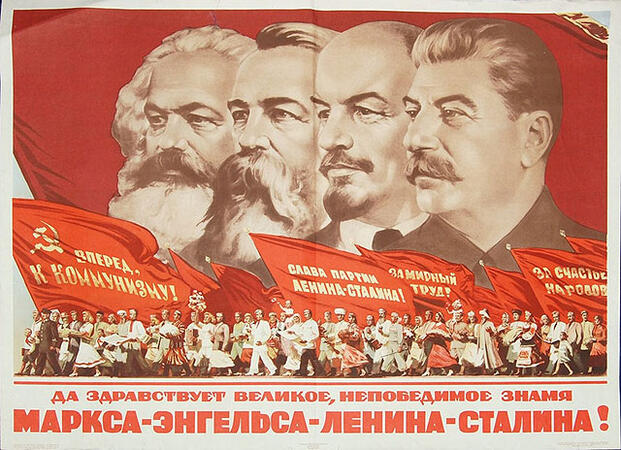
History Grade 11 - Topic 1 Contextual Overview
What is Communism? Communism is a social, economic, and political ideology whose aim is to establish a communist society in which there is a collective…
Into the Fifties: Defiance by Norman Levy
From the book: The Final Prize by Norman Levy Chapter 8 Into the Fifties: Defiance Mass trials and mass action characterised the next two decades. The …
The search for Peter Johnson’s story
In 1975, Peter Johnson, joined the ranks of the uMkhonto we Sizwe and disappeared into exile. Nearly a decade later, on the 26 October 1984, Johnson, now known…
Liberation
"We the marginalised people of South Africa, who are landless and land hungry, declare our need for all the world to know. We are the people who have borne the…
 Article
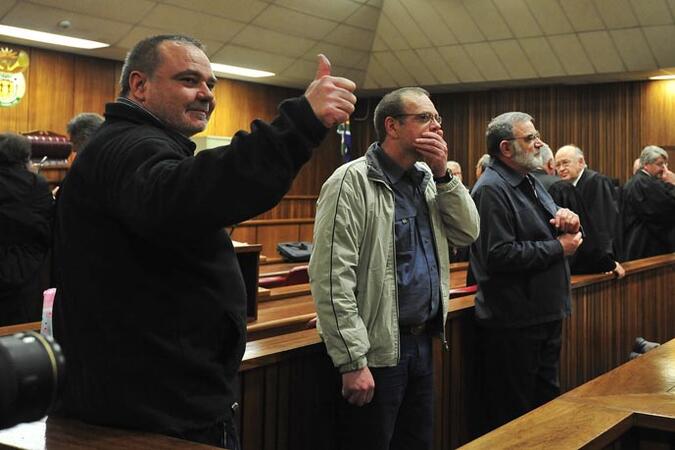
Boeremag Treason Trial Timeline
The first treason trial in South African history post apartheid regime is under way amid high security at the Pretoria High Court, with a group of alleged…
 Article
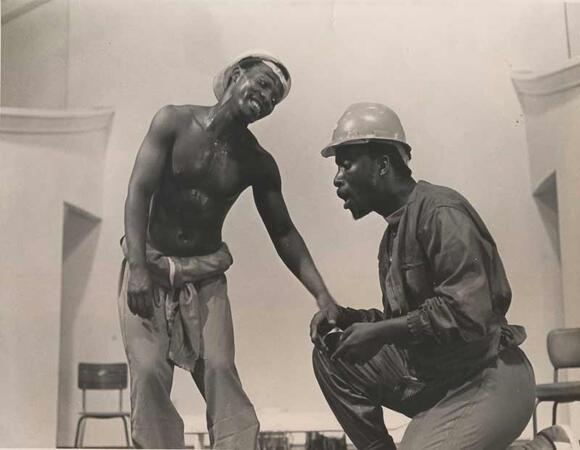
Natal Workers’ Theatre in the 1980s
Introduction Starting in the late 1970’s and reaching its height in the 1980’s, the South African province of Natal (now known as KwaZulu Natal – KZN) saw a…
 Article
History Grade 11 - Topic 4 Source-based Questions
QUESTION 1: HOW WAS AFRIKANER NATIONALISM PROMOTED IN SOUTH AFRICA DURING THE 1930s TO 1940s? Study Sources 1A, 1B, 1C and 1D and answer the questions that…