
SAHO global search
1,905 records
 Event
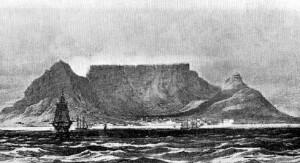
EventThe first family at the Cape moves into the fort
On 4 June 1652, sick-comforter at the Cape, Willem Barentz Wijlant and his wife became the first people to move into the semi-completed fortress, the Fort de…
 Article
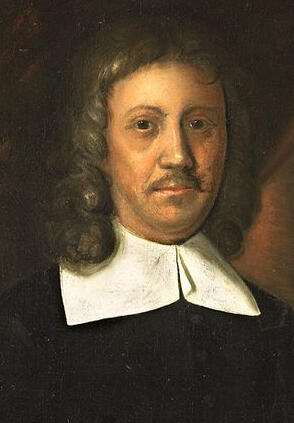
The Arrival of Jan Van Riebeeck in the Cape - 6 April 1652
On 24 December 1651, accompanied by his wife and son, Jan van Riebeeck set off from Texel in The Netherlands for the Cape of Good Hope. Van Riebeeck had signed…
 Archive
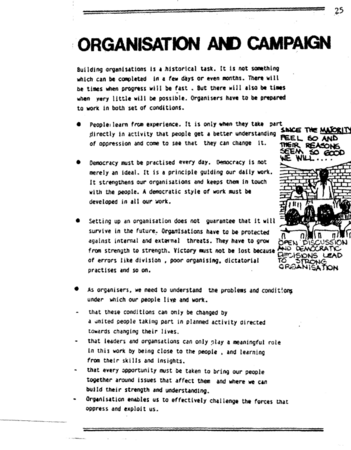
UDF Campaign Manual - Section B: "How We Are Struggling - The Methods"
Section B Table of Contents (Page 24)TopicPageOrganisation and campaigns25Campaign planner and map28Anti-election strategy30Signature campaign35How to approach…
 Article
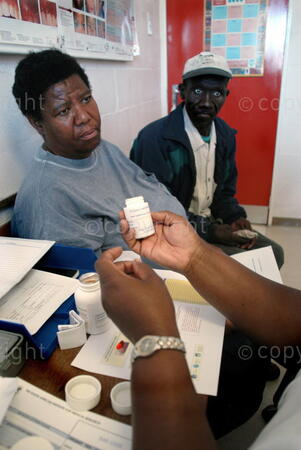
A History of Official Government HIV/AIDS Policy in South Africa
The HIV/AIDS Crisis Emerges: Reponses of the Apartheid GovernmentIn 1982, the first case of AIDS in South Africa was reported in a homosexual man who…
Segregationist Legislation Timeline 1950-1959
Immorality Amendment Act, Act No 21 of 1950 This Act was one of the most controversial pieces of Apartheid legislation. It prohibited adultery, attempted…
The Many Faces of Apartheid Repression
From: A Crime Against Humanity, edited by Max Coleman THE MANY FACES OF APARTHEID REPRESSION Repressive regimes abound in the historical record but few can…
 Archive
2013 - President Zuma, State of the Nation Address, 14 February 2013
State of the Nation Address by His Excellency Jacob G Zuma, President of the Republic of South Africa on the occasion of the Joint Sitting of Parliament Cape…
 Place
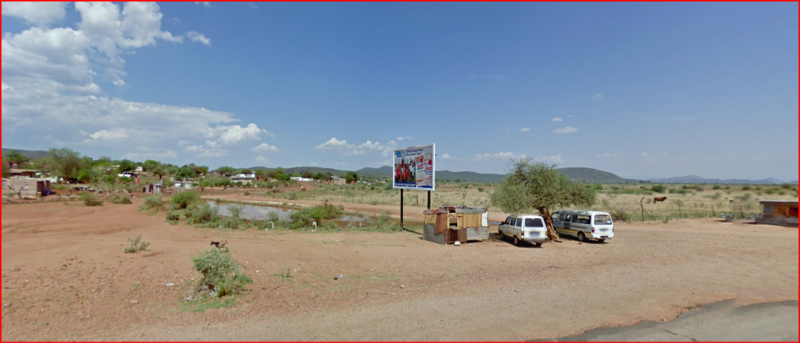
PlaceMogodi Village
Mogodi is located in Capricorn District Municipality, of Limpopo. The estimated terrain, elevation above sea level is 1030 metres. Mogodi is situated nearby to…
 Event
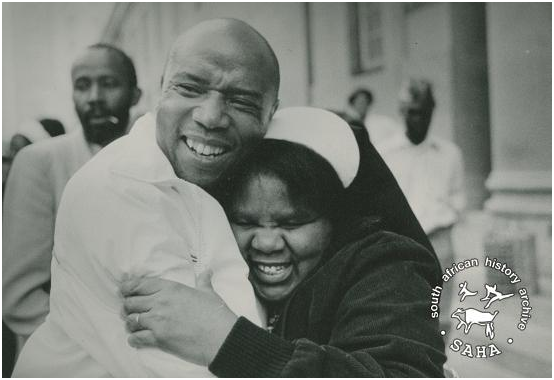
EventAnti-apartheid activist Sister Bernard Ncube dies
On 31 August 2012, anti-Apartheid activist Sister Bernard Ncube died at the age of 80. She was a practicing Roman Catholic nun and was recruited into the anti…
Giyani, Polokwane
More or less 550 kilometres north east of Johannesburg you will find the little happening town of Giyani, a popular town in the heart of Bushveld country in…
 Place
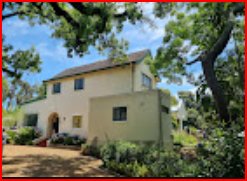
PlaceIrma Stern Museum
Irma Stern is considered one of South Africa’s most prolific and powerful artists who played a leading role in introducing avant-garde art to the country.Born…
“No Room for Racialism at Natal University”: Statement, June 1956
“no Room For Racialism At Natal University”: Statement, June 195651 [The most unscientific and blatantly racialistic statement made by Dr Malherbe, Principal…
 Place
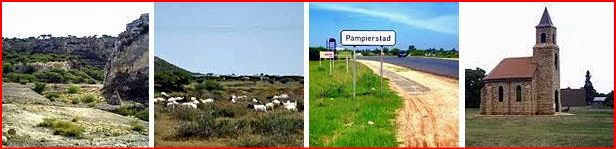
PlacePampierstad
Pampierstad (now Thuso a Sotho or Tswana word meaning Help/Assistance) was established in the former homeland of Bophuthatswana in the late 1960's. It was…
 Place
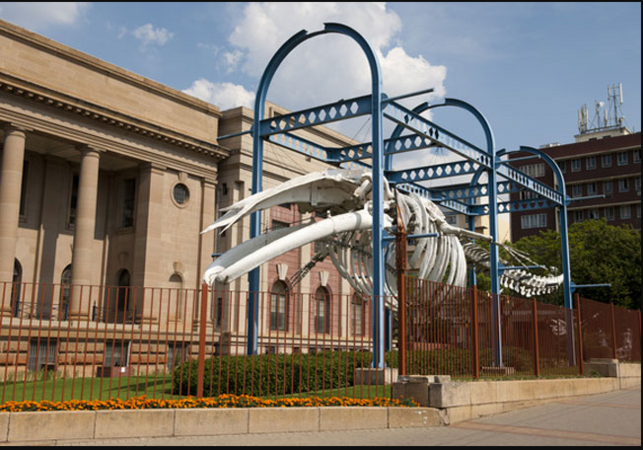
PlaceTransvaal Museum, now known as the National Museum of Natural History
The City's natural history museum, founded in 1892, serves as the home of "Mrs Ples" and includes fossils, amphibians, fish, reptiles, birds and plants from…
 Place
PlaceBoschhoek Farm, uMzinyathi,-a District in kwaZulu-Natal
History of the farm Boschhoek Farm, (known locally as kwaHlathikhulu) is located in the uMzinyathi District in kwaZulu-Natal. The Farm was previously owned…
 Article
Indian South Africans timeline 1920-1929
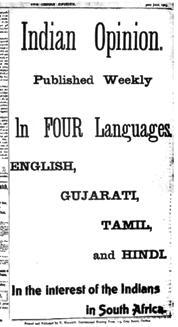
1920 February, The Asiatic Inquiry Commission, headed by Sir Johannes Lange, is appointed to inquire into laws concerning the right of Asiatics to trade and…
History of Muslims in South Africa: 1804 - 1899 by Ebrahim Mahomed Mahida
From the book: History of Muslims in South Africa by Ebrahim Mahomed Mahida 1804 Attainment of freedom of worship 23 By 1804, the number of the Vryezwarten…
 Archive
CHAPTER 9 - Tactics of talks, Tactics of confrontation, The Road to Vula, July 1985 - December 1986 Insurrection cannot be led from afar. by Howard Barrell
- The Road to Vula, July 1985 - December 1986 Insurrection cannot be led from afar. - Mac Maharaj1 Introduction From about July 1985, the ANC faced a…
 Article
South Africa’s Key economic policies changes (1994 - 2013)
South Africa successfully held its first democratic elections in April 1994 and the African National Congress (ANC) won with a majority vote to head the…
 Article
South African Youth Congress (SAYCO)
SAYCO was regarded as the most significant youth organization to emerge during the 1980s. Initiated by COSAS, it focused on organizing the non-student youth,…
 Article
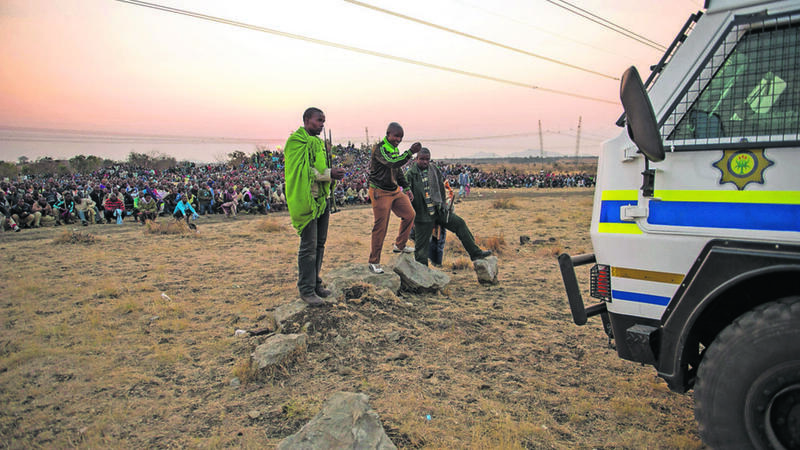
Marikana Massacre - 16 August 2012
On 16 August 2012, the South African Police Service (SAPS) opened fire on a crowd of striking mineworkers at Marikana, in the North West Province. The police…
 Article
‘Liberated’ Slaves? by Joline Young
While the abolition of the slave trade by Britain in 1808 was haled as a victory by abolitionists like Granville Scott and William Wilberforce,[i] for the…
Nelson Mandela Sending Photographs
Introduction To someone cut off from friends and relatives, restricted to seeing only a selected few people and even these not as frequently as in normal…
 Archive
CHAPTER THREE: The Emergence Of Grassroots Politics, 1979-1981 by Kumi Naidoo
This chapter comes from the book
Chapter 2: The Nature and Character of Vigilantes in Kwazulu-Natal
2.1 Introduction Before embarking on the nature and character of vigilantes in KwaZulu-Natal, it is important to clarify certain aspects that are most…
 Place
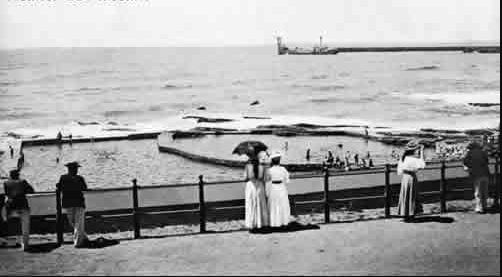
PlaceQuanza Shipwreck, East London
The Quanza was a four-masted steamship of 942 tons which went ashore at East London, on Sunday, 26 May 1872 at 5am. She struck the rocks, just East of the…
 Place
PlaceTimour Hall Primary School, Plumstead
In the early 1900’s land was set aside by the owners at Timour Hall Estate for the establishment of a school. The first structure was a wood and iron building…
 Place
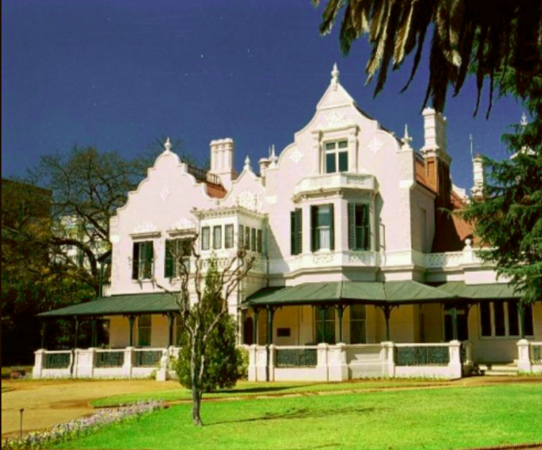
PlaceMelrose House, Jacob Mare Street, Pretoria
George Heys, a young man from Durban, made his fortune in the diamond rush in Kimberley by establishing a successful coach transportation business that…
 Event
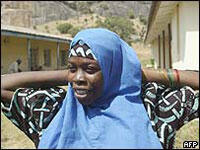
EventHajara Ibrahim appears before a Nigerian Islamic court to launch an appeal against her conviction for adultery
Sharia law refers to a body of Islamic religious laws and deals with aspects of everyday life, such as politics, banking, family, sexuality and hygiene. Since…
 Place
PlacePhillipton
(prior to 1910) Philipton was established in 1829 as a station of the London Missionary Society, and was named in honour of Dr John Philip, who was…