
SAHO global search
11,508 records
 Event
First enslaved people arrive in Cape Town
On 28 March 1658 the Dutch East India Company (VOC) ship the Amersfoort, dropped anchor in Table Bay. In her hold she had a human cargo: 174 slaves. This was…
 Article
Grade 12 - The Cold War
How did the Cold War period shape international relations after the Second World War? After the Second World War, there was a struggle between two world…
Lives on the Line: An Invitation to a Gripping True Story
An Invitation to a Gripping True StoryJoin us for an exclusive evening at Ike's Bookshop, Durban's beloved independent book haven, to celebrate the launch of…
 Article
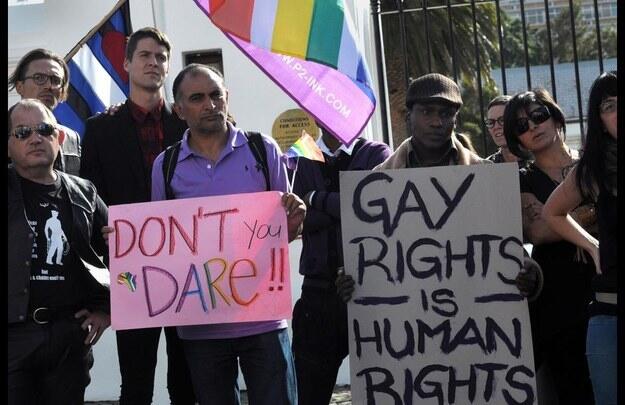
The History of LGBT legislation
Introduction Discriminatory, separate and oppressive, these are words that were used to explain South Africa’s Apartheid regime, which officially lasted from…
The Cape Northern Frontier
The San © www.safrica.info In the late 17th and early 18th century the Dutch at the Cape Colony only had contact with the Khoikhoi and San peoples. The Dutch…
The State of Art in South Africa Conference
Held at the University of Cape Town from 16-20 July 1979, The State of Art in South Africa Conference was chaired by Neville Dubow, then head of the Michaelis…
Cape Performing Arts Board (CAPAB)
CAPAB was instituted to promote the performing arts in the Cape Province. Operational costs for CAPAB, the Performing Arts Council of the Transvaal (PACT), the…
 Article
The effects of WW2 in Africa
Africans resisted colonial rule from the outset, trying to hold on to their land, but were not strong enough to defend themselves against European conquest…
 Article
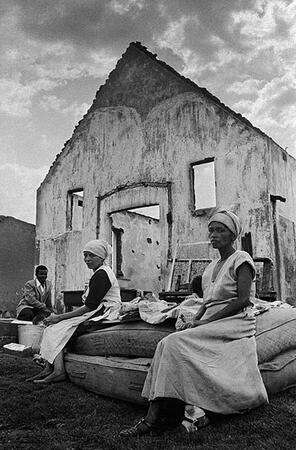
Overcoming Adversity from All Angles: The Struggle of the Domestic Worker during Apartheid by Bennett Gwynn
This article was written by Bennett Gwynn and forms part of the SAHO and Southern Methodist University partnership project Overcoming Adversity from All…
 Article
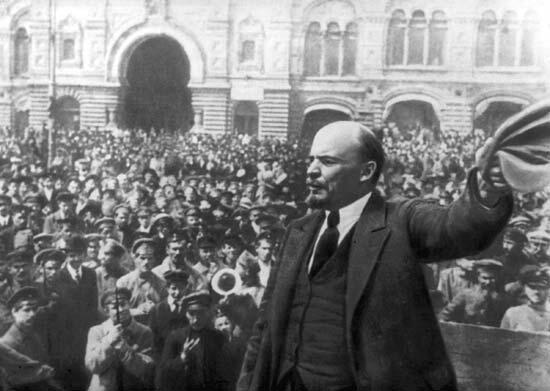
Lenin’s implementation of Leninism in Russia and the changes made
While looking at the background information on the Russian revolution and the change to a Communist state in Russia, we have already touched on many of the…
 Article
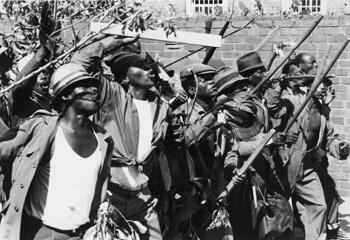
South Africa in the 1970s
During the early 1960s, civil society was disempowered and social movements were repressed. Although the capacity for social movements to impose change…
Women’s Enfranchisement Association of the Union (WEAU)
The WEAU and votes for white women Until 1930 there were no women in South Africa who had the right to vote. It was felt that a women's place was in the…
 Article
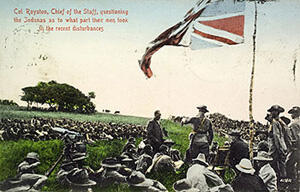
The Bambatha Rebellion begins
The first sign of open resistance against payment of the tax came when a magistrate called A.W. Leslie went to collect taxes from the Hlongwa and Cele clans in…
 Article
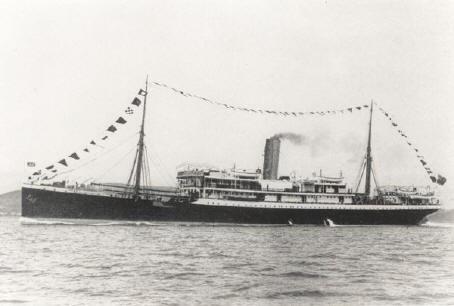
SS Mendi
The sinking of the SS Mendi was caused by the reckless action of the captain of the SS Darro. It remains the greatest wartime maritime disaster ever suffered…
 Article
The co-optation of the African National Congress: South Africa’s original ‘State Capture’, Sampie Terreblanche
After the ascendancy of Cyril Ramaphosa to the presidency of the African National Congress (ANC) last month, it is vital to understand deep structural barriers…
Christianity
Christianity What do Christians believe? Jesus was born in a stable in Bethlehem to Mary and Joseph. Source: atschool.eduweb.co.uk Christians, Jews and…
 Article
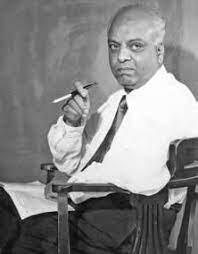
Dr G M 'Monty' Naicker - Timeline
MILESTONES 1910 - Birth of Mohambry (Monty) Naicker to Papiah Gangathura, a fruiterer, and Dhanamal, of Leopold Street, Durban. 1917-1926 - Attended the…
 Article
Customary Marriages in South Africa: Understanding The Recognition of Customary Marriages Act of 1998
Before the establishment of the Recognition of Customary Marriages Act 120 of 1998 (RCMA), there were many controversial and unequal positions regarding the…
 Article
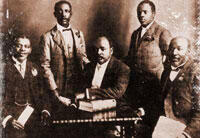
ANC Origins and Background
The African National Congress (ANC) was formed in 1912 as a result of many grievances. This included black dissatisfaction with the South Africa Act of 1910…
 Article
Responses in South Africa to the outbreak of WWI: Impact on the Indian Working class: the Growth of Indian trade unions
Those who formed part of the poorest section of the Indian community, such a labourers, artisans, market-gardeners bore the brunt of the effect of the increase…
When Mandela's Predecessor toured the US to Expose Segregation back home by Matthew Blackman (www.ozy.com), 29 May 2018
A short, well-dressed 44-year-old man of the southern African Barolong tribe stood at the American border near Niagara Falls holding Canadian passport No…
Statement at the Freedom Rally Organised by the Irish Anti-Apartheid Movement by O. R. Tambo, Dublin, 26 January 1979
Dear Friends and Comrades, We bring you greetings on behalf of the African National Congress, the cadres of Umkhonto we Sizwe (Spear of the Nation), inside…
 Article
Early African Civilisations: Ancient Egypt, Nubia and Swahili
Ancient Egypt The ancient Egyptian civilisation grew for thousands of years intact because the Nile River Valley and Mediterranean and Red Sea border kept…
Soweto forty years on: The Black student rebellion of 1976 by Professor Noor Nieftagodien
June 18, 2016 — Links International Journal of Socialist Renewal reposted from Amandla! Magazine — A defining feature of the 1976 uprising was the decisive…
 Article
World War I
This feature commemorates the outbreak of the First World War. This major historical event became known as The Great War. The main belligerent European…
Early Resistance, the 1913 Land Act and deputations to London
The first restriction that the South African Native National Congress (SANNC) aimed to contest was the 1913 Land Act, an urgent issue that affected all black…
The Afrikaanse Handelsinsituut
The Afrikaanse Handelsinsituut (AHI – in English the Afrikaans Commercial Institute) was formed during WWII to create Afrikaner businesses and represent their…
Poqo political trials and the execution of its operatives in the 1960s
Mass mobilization of the 1950s culminated in the Sharpeville massacre on 21 March 1960. Soon thereafter the apartheid government banned the African National…
 Article
How did the Nazis construct an Aryan identity?
Adolf Hitler, the leader of the Nazi Party, argued that the Germans was superior to all other races. Hitler became obsessed with 'racial purity' and used the…
 Article
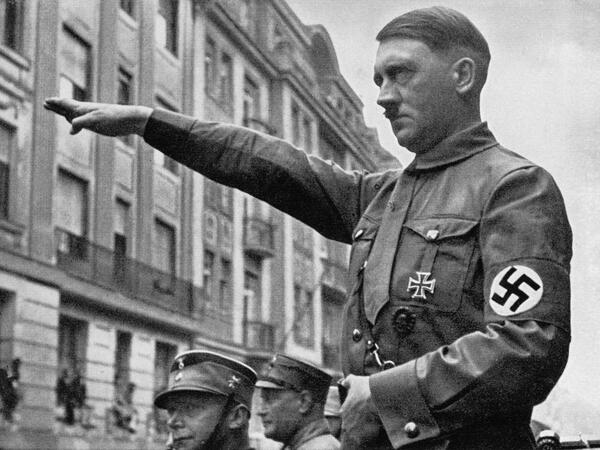
Hitler’s racial state in Germany
Eugenics and Genocide in Nazi Germany Summary The Holocaust was a form of genocide, which refers to the intentional, systematic extermination of six million…