
SAHO global search
346 records
 Article
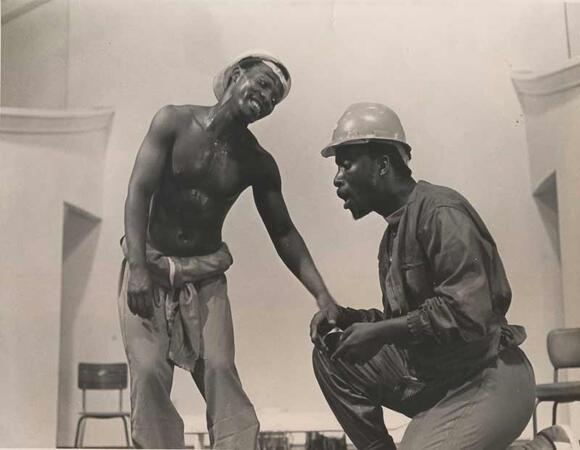
Natal Workers’ Theatre in the 1980s
Introduction Starting in the late 1970’s and reaching its height in the 1980’s, the South African province of Natal (now known as KwaZulu Natal – KZN) saw a…
Re-Emergence of Congress Activity 1980s
By 1980, the Black Consciousness organisations were in a gradual decline and struggling to avert state repression. Congress-inspired traditions were also re…
 Article
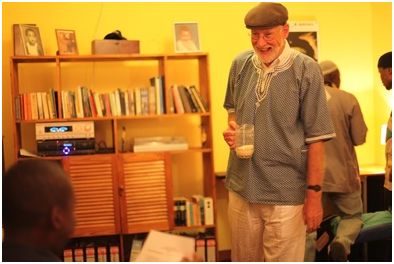
Workshop ‘71
Theatre Workshop ‘71 was a theatre training workshop that was founded in 1971 by the South African Institute for Race Relations (SAIRR) in Johannesburg. SAIRR…
 Article
United Women’s Organisation (UWO)
The United Women’s Organisation (UWO) was launched in April 1981 with 400 delegates from the Western Cape attending. Some of the women who pioneered the…
 Article
Transvaal Indian Congress (TIC)
The TIC (Transvaal Indian congress) was first called the TBIA (Transvaal British Indian Association) which was founded in 1903. The organization was later…
 Article
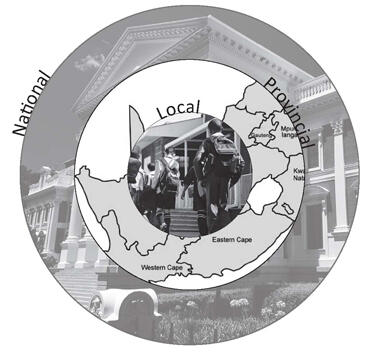
Provincial Leaders
Provincial governments South Africa's government is divided into a legislative body (Parliament), Executive body ( the Cabinet, who are also members of…
The Freedom struggle in Rustenburg
Resistance to apartheid Umzabalazo - The Freedom Struggle in South Africa Conditions in Rustenburg point to deprivation throughout the segregation and…
List of deaths in detention
Detaining and imprisoning those who went against the Apartheid state was one of the many weapons that the government used to quell resistance. As detention was…
 Article
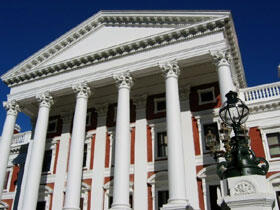
Structure of Government in South Africa
The South African government is divided into three parts: the Executive (the Cabinet), the Legislature (Parliament), and Judiciary (the courts). The Executive…
 Article
CODESA 1 Timeline
21 August 1989: OUA publishes the publishes the Harare Declaration. January 1991: Nelson Mandela calls for an all-party congress to negotiate the way to a…
 Article
A history of Kwaito music
This genre of music started emerging in the 1990s. It is a mixture of a number of different rhythms from marabi of the 1920s, kwela of the 1950s, mbaqanga…
 Article
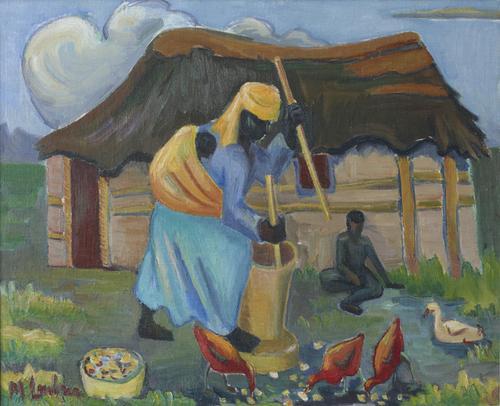
The New Group
This was a group or collective of young South African artists who, upon their return from study in Europe in 1937 began to question and oppose the conservative…
 Article
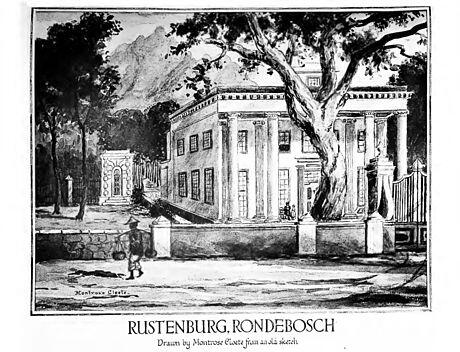
Rustenburg Timeline 1850-2001
1850 The Nederduitsch Hervormde Church (Nederduitsch Reformed Church) establishes a congregation in Rustenburg. 16 November, A Hervormde congregation is…
 Article
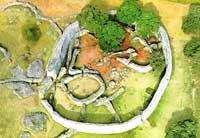
Kingdoms of southern Africa: Great Zimbabwe
Where is Great Zimbabwe? The Great Zimbabwe ruins date from the Iron Age and lie between the Limpopo and Zambezi Rivers in the Limpopo Province east of the…
 Article
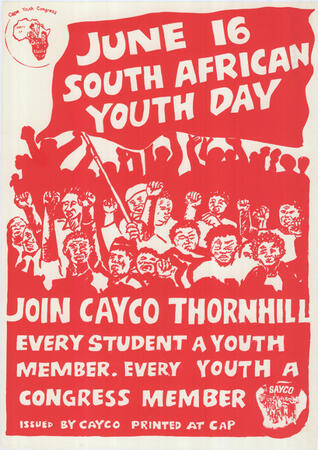
Cape Youth Congress (CAYCO)
Together with civic organizations, the youth played an in important role in the struggle against apartheid in the Western Cape. The first youth congress named…
 Article
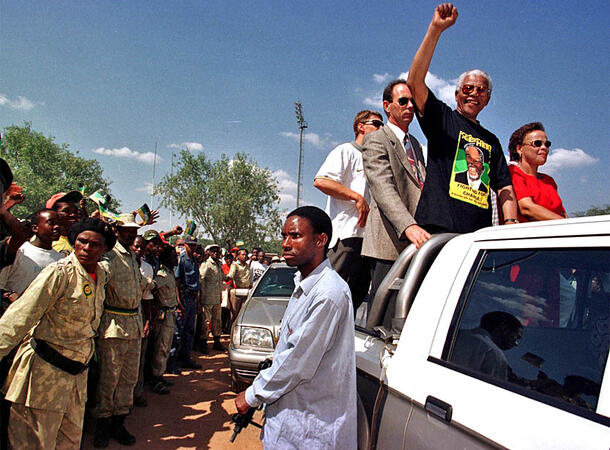
The South African general elections: 1999
On 3 March 1999, the President of the Republic of South Africa, Nelson Mandela, announced to the National Assembly (Parliament) that the second non-racial…
 Article
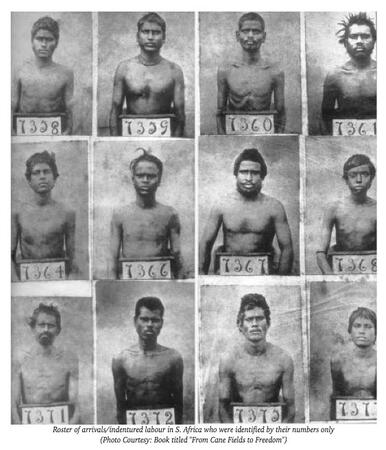
Ship list of Indian Indentured Labourers
Approximately 152,184 indentured Indians arrived under the scheme of indenture making a total of 384 trips. The first ship the Truro arrived on 16 November…
The National Animal
Springbuck / Springbok Antidorcas marsupialis Typical of the Springbuck is the 'pronk' (jumping display) which explains its common name. Both sexes have horns…
 Article
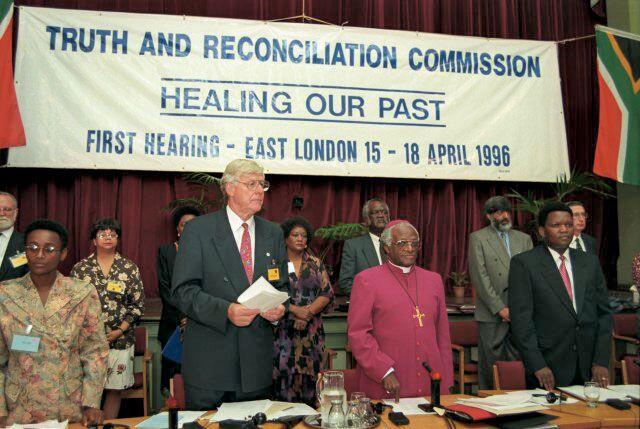
The Truth and Reconciliation Commission (TRC) 1995
After the end of apartheid, as well as the release of political prisoners in the early 90s and the country’s transition from repressive rule to democracy in…
 Article
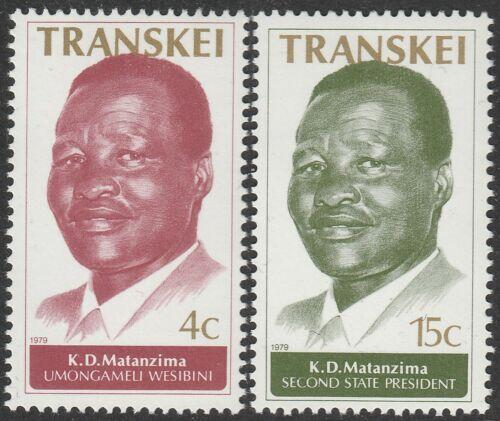
The Transkei
Struggles against the Bantu Authorities Act were fought in the Transkei, where the resistance of the peasants culminated in the Pondo revolt which broke into…
 Article
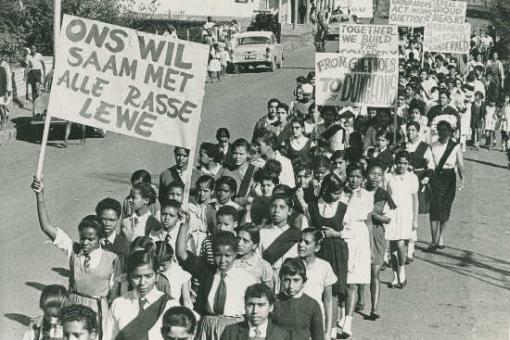
The Group Areas Act of 1950
The National Party was elected in 1948 on the policy of Apartheid ('separateness'). This 'separateness' put South Africans of different racial groups on their…
The National Tree
Real Yellowwood Podocarpus latifolius The Yellowwood family is primeval and has been present in this part of Africa for more than 100 million years. The…
Nelspruit the Segregated city
Contents Nelspruit the Segregated city Homelands as Labour reserves Kanyamazane Introduction Until the demise of apartheid, Nelspruit remained a small…
 Article
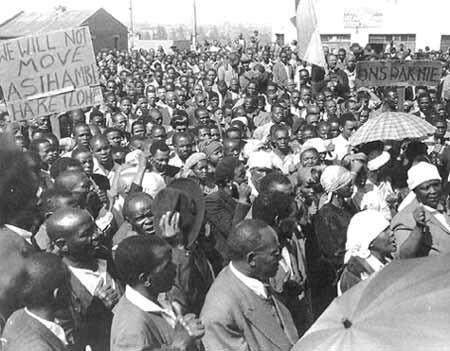
Sophiatown Timeline
Pre-1860s South Africa is still a predominantly agrarian 1860s-1880s This period marks a turning point in South African history when the discovery of…
 Article
South African Defence Force (SADF)
Early years The history of the South African Defence Force (SADF) can be traced to the 1660s. When Jan van Riebeeck landed at the Cape in 1652, he had with…
 Article
List of passenger on the Truro, 16 November 1860
List of the first Indian indentured labourers arriving in South Africa, 16 November 1860 NO NAME FATHERS AGE SEX …
 Article
HIV/Aids in South Africa timeline 1940s-2009
1940s The oldest Human Immunodeficiency Virus-2 (HIV-2) jumps from animals to humans, according to a Washington-based study in May 2003. Some sources say…
Increasing repression and the turn to the armed struggle
A series of legislations were passed by the NP led government in the 1950s as it sought to deal with dissent and entrench apartheid. Leading political…
 Article
Afrapix
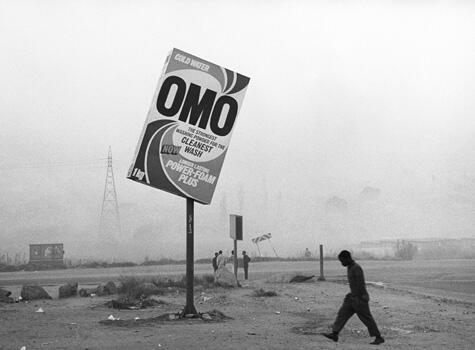
Afrapix – Comrades with Cameras A history of a South African anti apartheid Documentary Photography Collective Afrapix, a progressive photographers'…
 Article
African National Congress Timeline 1960-1969
This period began with the intensification of the anti-pass campaign, which resulted in the banning of the ANC and the PAC following the Sharpeville Massacre…