
Politics & Society
259 records
 Article
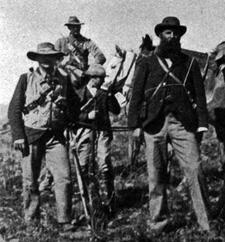
Responses in South Africa to the outbreak of WWI: The Afrikaner Response and the 1914 Rebellion
When the First World War broke out in August 1914, the British Government called upon the dominions in the British Empire to come to its…
 Article
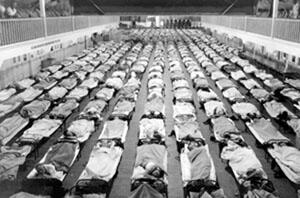
The Influenza epidemic
In March 1918 an international influenza pandemic broke out, that led to the deaths of 50 million people worldwide. The pandemic spread…
 Article
The Establishment of the Afrikaner Broederbond in May 1918.
In May 1918 a group of fourteen railway clerks, clergymen and policemen formed an organization, Jong Suid-Afrika (Young South Africa). A…
 Article
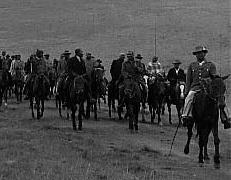
Pondoland
Introduction. Pondoland is the traditional area of the Pondo people, one of the Xhosa speaking peoples. Pondoland area is situated on the…
 Article
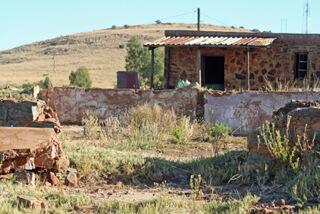
Forced removals on Highveld and "black spots", 1912-1991
In the early 1960s the Apartheid government moved swiftly to dislodge numerous Black communities on the Transvaal Highveld occupying land…
 Article
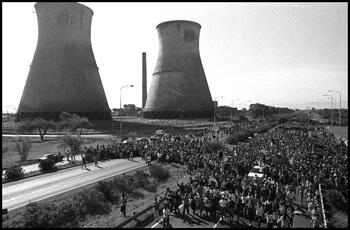
The Langa March, 30 March 1960
On 30 March 1960, Philip Kgosana led a Pan Africanist Congress (PAC) march of between 30.000-50.000 protestors from Langa and Nyanga to the…
 Article
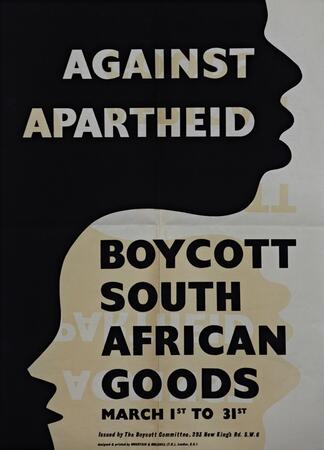
The Anti-Apartheid Movement (AAM)
World opposition to Apartheid Enforced racial segregation in South Africa began with the arrival of the Dutch and English colonisers. …
 Article
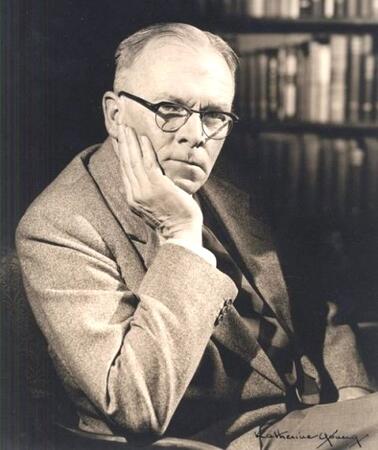
Liberal Party of South Africa (LPSA)
The ascendancy of the apartheid government in 1948 signalled a descent into institutionalized racism unseen in South Africa and elsewhere…
 Article
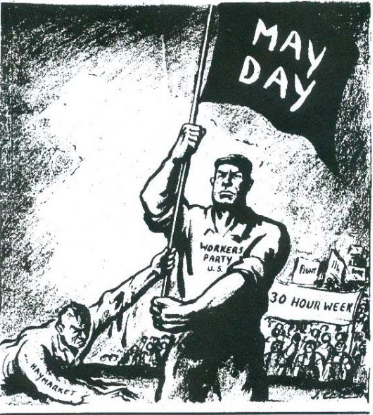
The History of May Day in South Africa
The struggle for a shorter workday, a demand of major political significance for the working class dates back to the 1800s. On 7 October…
 Article
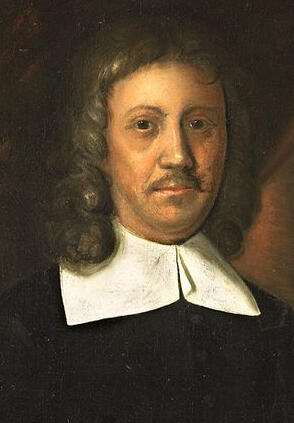
The Arrival of Jan Van Riebeeck in the Cape - 6 April 1652
On 24 December 1651, accompanied by his wife and son, Jan van Riebeeck set off from Texel in The Netherlands for the Cape of Good Hope. Van…
 Article
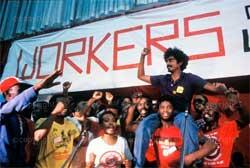
Congress of South African Trade Unions (COSATU)
The Congress of South African Trade Unions (Cosatu) was launched on 1 December 1985, at the height of the struggle against apartheid. As a…
 Article
Pan Africanist Congress timeline 1959-2011
In 1959 the Africanists broke away from the ANC and formed the Pan Africanist Congress (PAC). The histories of these two organisations are…
 Article
Message of the National Executive Committee of the ANC, delivered by Mr. Tambo, at the funeral of Dr. Yusuf M. Dadoo
1 September 1983, London We are gathered here to pay homage to an outstanding leader of the African liberatory struggle, a comrade and…
 Article
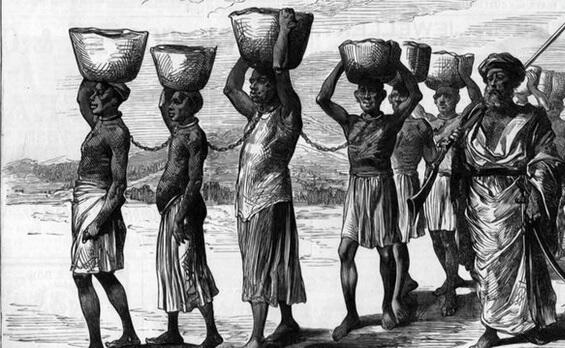
History of slavery and early colonisation in South Africa
With colonialism, which began in South Africa in 1652, came the Slavery and Forced Labour Model. This was the original model of…
 Article
About Nkosi Albert Luthuli Oral History Project
The Nkosi Albert Luthuli Oral History Competition is a national competition that has taken place annually since 2006. Each year it is open…
 Article
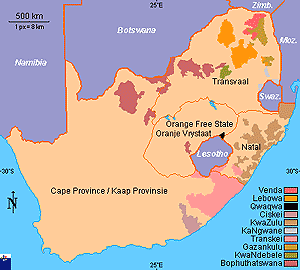
The Homelands
The Bantustans or homelands, established by the Apartheid Government, were areas to which the majority of the Blacks population was moved…
 Article
Yusuf Dadoo Centenary Celebrations
2009 marked 100 years since Yusuf Dadoo was born in Krugersdorp, West Rand on 5 September. Today, he like many activists of the South…
 Article
The Wragg Commission (1885-1887)
Indian immigration into Natal brought with it strained relations and severe problems and conflicts between the White colonists and the new…
Apartheid - A Crime Against Humanity: The Unfolding of Total Strategy 1948-1989
The content of this article was taken from the book A Crime Against Humanity - Analysing the Repression of the Apartheid State edited by…
 Article
Passive Resistance in South Africa
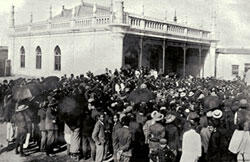
The passive resistance movement in South Africa is seen as, largely, led by M K Gandhi and the Indian Congresses campaigns. However, this…
 Article
Soweto Students’ Representative Council (SSRC)
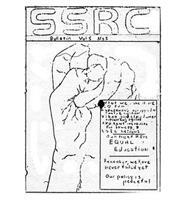
Before the June 16 student uprising, the Soweto Students' Representative Council (SSRC) was formed. This organisation led the march that…
 Article
PAC’s African Women’s Organisation
The aim of the African Women's Organisation is to rally African women under the banner of African Nationalism and to educate women socially…
 Article
Federation of South African Women (FEDSAW)
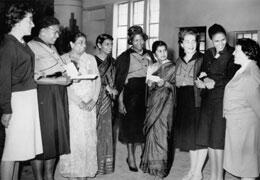
The Federation of South African Women (FEDSAW or FSAW) was launched on 17 April 1954 in Johannesburg as the first attempt to establish a…
 Article
Black Sash
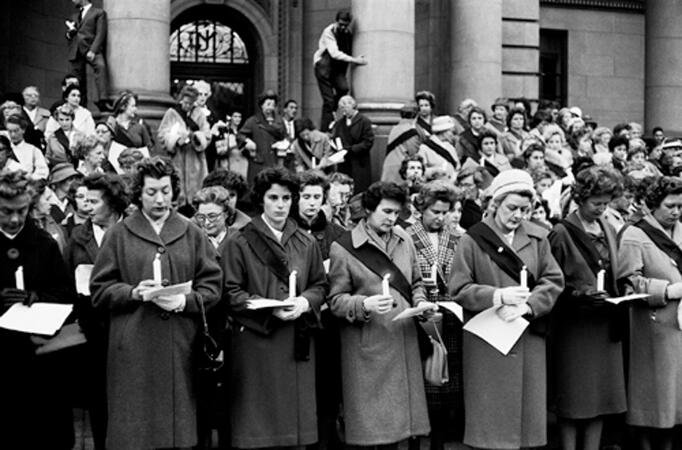
The Women's Defence of the Constitution LeagueIn 1955 a small group of white middle-class women who were predominantly English-speaking…
 Article
ANC Women’s League (ANCWL)
When the African National Congress (ANC) was formed in 1912, it did not accept women as members. In 1918, the government threatened to…
 Article
African Nationalism
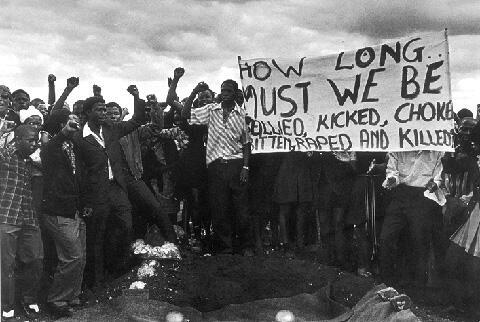
Introduction Nationalism refers to an ideology, a form of culture, or a social movement that focuses on the nation. It emphasises the…
 Article
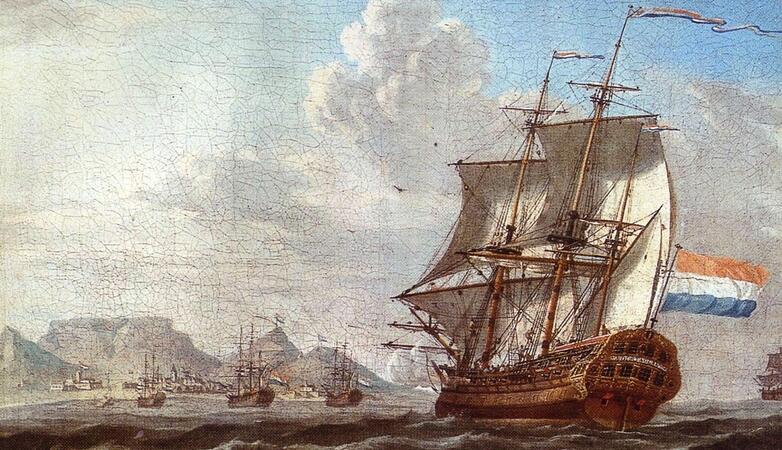
Dutch East India Company (DEIC)/VOC
March 20, 1602 marked the beginning of the inexorable end for many a state in the then known world. On that day, four hundred years ago, a…
 Article
Afrikaner Weerstandsbeweging (AWB)
The Afrikaner Weerstandsbeweging (AWB) was an ultra-right wing organisation led by Eugene Terreblanche, that first came into prominence in…
African People’s Organisation (APO)
By the beginning of the twentieth century a number of political organisations initiated by Coloureds existed, most of which dealt with the…
 Article
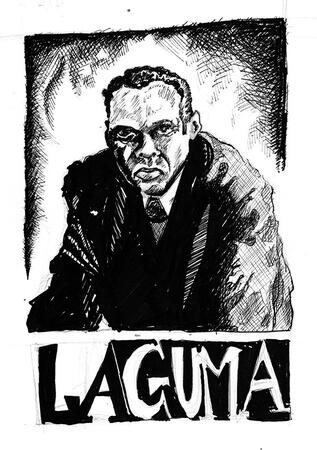
South African Coloured People Organisation (SACPO)
Like all other Black ethnic groups, the Coloureds also fell victim to segregation and repressive legislations enacted by Colonial and…