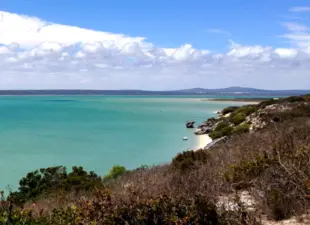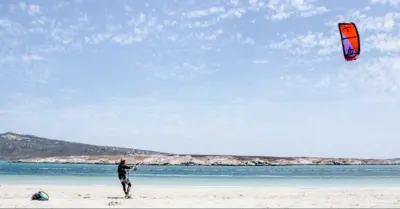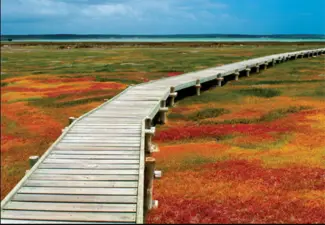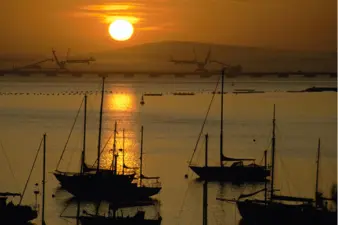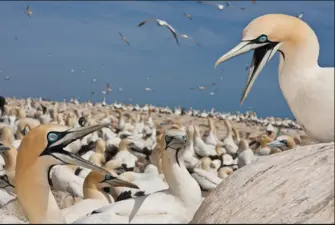
Flower season along the West Coast takes place Annually between August and September. As the season changes, nature begins to bloom and flowers of all colours spring up along the Landscape accompanied by fauna, enjoying the sunshine. The Postberg Nature Reserve is situated within the West Coast National Park in Langebaan in the Western Cape. It is closed for most of the Year, but is opened to the Public during Spring (August – September) where one can view the exceptional carpet of Spring flowers in the Reserve. As the reserve is only open at a certain time of Year, there are often queues to get into the Reserve, so going during the Week is definitely recommending and even if you don’t, the carpet of flowers will more than reward you for your patience! Whenever you do decide to go, make sure you go early as the Postberg section is limited to a certain amount of visitors per day. Another positive aspect of the limited opening times is that there is game here that hasn’t quite learned to shy away from humans. Keep an eye out for Zebra, Wildebeest, Antelope, Ostrich, Mongoose, Rock Hyrax, Snakes, Birds, and Tortoises, (and now we can add to this list Leoperd!) The picnic and braai spots along the coast are fantastic for whale watching. The Langebaan Lagoon was proclaimed as a marine Reserve in terms of the Sea Fisheries Act in 1973 and later in 1985, was proclaimed Langebaan National Park with the name later being changed to West Coast National Park. It was on 25 April 1988 that the Langebaan Ramsar site was declared. The initial purpose of the park Area was to protect the key conservation areas of the Langebaan Lagoon and associated Wetlands as well as the offshore Islands in Saldanha Bay. In 1987, the first expansion of the Reserve occurred, including a dune reclamation scheme and the portions of Farms: 'Geelbek; Bottelery, Schrywershoek and Abrahamskraal', were reclaimed! In the same Year, some 1 800 Ha of land around Postberg was included on a contractual basis and a Hotel site in Langebaan was also included into the Park.
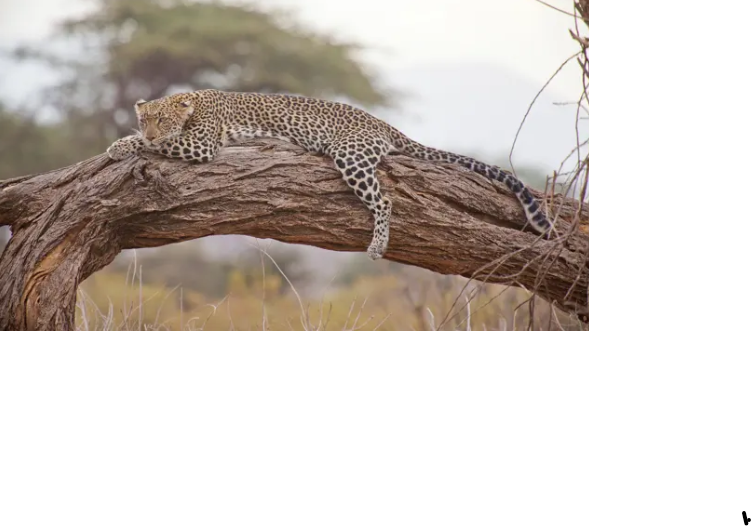
In a historic conservation milestone, a leopard has been photographed in the West Coast National Park for the first time in 170 years, on the 13/11/2025. This landmark sighting marks the natural return of the species to South Africa’s coastal landscapes — a powerful sign of ecological recovery. The leopard had been eradicated or thought to have been destroyed completely, as a species in the mid-1800's. Only in the last while the species has naturally returned! The image shown above was captured by a remote camera trap, confirms that this elusive predator has recolonised a region from which it had long been absent! The discovery is the result of a collaborative effort between: Landmark Leopard & Predator Project - South Africa and South African National Parks (SANParks), together with the University of the Western Cape, Saldanha Bay Municipality and multiple private landowners, working together to monitor and protect the country’s recovering leopard populations. The project has been running for the last few years on the West Coast between Cape Town and the Berg River.
Conservationists attribute this extraordinary return to a combination of factors, including coordinated efforts by NGO's and conservation authorities, progressive changes in land use (and the development of conservation areas, like the West Coast National Park), protective environmental legislation, and a growing tolerance and coexistence between local communities and wildlife!
Over the past two decades, work has been done to restore ecological corridors and reconnect fragmented habitats across the Western,Eastern and Northern Cape. These efforts have allowed wildlife, like leopards to move more freely and safely through the landscape. A critical component to these efforts is tolerance and coexistence of landowners and the implementation of wildlife protection legislation, which has been evident in the area.
"The return of the leopard to the West Coast National Park underscores the success of long-term conservation partnerships and highlights the importance of continued collaboration to ensure that this remarkable recovery endures. This result is worthy of celebration!"