
Alan Cormack, the youngest of three children, was born in Johannesburg in February 1924. His father was an engineer with the Post Office and his mother a teacher. His parents moved to South Africa from the north of Scotland shortly before the outbreak of World War One.
J. M. Coetzee was born to German and English parents in Cape Town on 9 February 1940. Coetzee spent his childhood in there, as well as in Worcester, a picturesque Western Cape town northeast of the famous South African harbour city. Supporters of the liberal South African party of General Jan Smuts, his parents opposed the conservative Afrikaner nationalists who ultimately came to power in South Africa in 1948, beginning a racist and oppressive apartheid regime.
SAHO is free because readers fund it. Donate →
Born in 1900, Johannesburg Chamile worked as a labourer. He was a member of the Newclare branch of African National Congress which he joined during the Defiance Campaign. The indictment against him in the Treason Trial was squashed in 1959.
SAHO is free because readers fund it. Donate →
Herbert Hayton Castens was educated at Rugby School in Warwickshire, where the game of rugby allegedly originated. He played both cricket and rugby and was an outstanding sportsman. He was South Africa”²s first rugby captain, and also captain of the first South African cricket team to tour overseas. After completing his school career he studied Law at Oxford University. In 1887 he obtained full rugby colours at Oxford. As a student he represented Middlesex and the South of England on the rugby field.
SAHO is free because readers fund it. Donate →
Odd one out
Over the years many people have asked me how it came about that I, amongst all the Afrikaners that I grew up with or knew, as a young man in the 1960s and early 1970s, came to an alternative view about racism and Apartheid and took an active role in opposing the South African government of the time.
SAHO is free because readers fund it. Donate →
SAHO is free because readers fund it. Donate →
The great South African writer and activist, Ruth First, was assassinated by a letter bomb sent by the South African Security Police in Maputo, Mozambique on this day, 17 August, in 1982.
At a memorial meeting for Ruth First, after she was assassinated on the streets of Maputo by South African agents, Ronald Segal, another prominent exile figure and her close friend, described Ruth, as a “journalist, author, intellectual, teacher,” whose “whole life was essentially a political act.”
SAHO is free because readers fund it. Donate →
Home Page
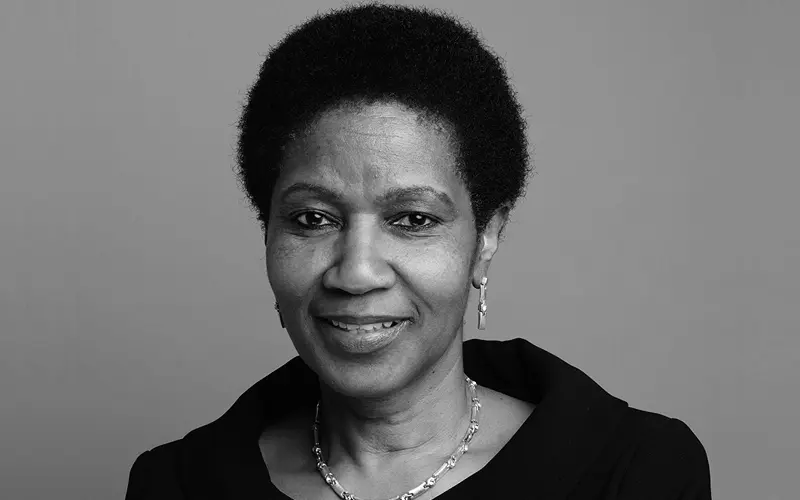
Phumzile Mlambo-Ngcuka
Phumzile Mlambo-Ngcuka was born on 3rd November 1955 in Claremont, Durban in Natal (now KwaZulu-Natal). She matriculated from Ohlange High School in Inanda and enrolled with the National University of Lesotho for a Bachelor of Arts degree in Social Science and Education. After…
This day in history · 28 November
Today in history
Also on 28 November
What happened on your birthday?
Born on this day · 28 November
- b. 1924Vincent Dennis Brutus
- b. 1934Bertha Gxowa (Mashaba)One of the leaders and organisers of the 1956 Women's Anti-Pass March.
- b. 1949 Siziwe Nosimo BalindlelaPolitician, Premier of the Eastern Cape Province and former Minister of Sport and Art and...
Recently added to the archive
| Ref | Type | Dates | Status | |
|---|---|---|---|---|
| R-0153686 | archive | Indentured Indian labourers and their struggle for citizenship in South Africa by Dr Brij Maharaj | 19 Nov 2026 | New |
| P-0153685 | place | Century City, Cape Town | 16 Nov 2026 | New |
| P-0153677 | place | Bothaville | 6 Nov 2026 | New |
| P-0153676 | place | Kuils River | 27 Oct 2026 | New |
| R-0153675 | archive | The remarkable career of Tito Mboweni: from South African freedom fighter to central bank governor and trusted politician | 26 Oct 2026 | New |
| P-0065716 | place | False Bay | 26 Oct 2026 | New |
| P-0153674 | place | Knoflokskraal Settlement | 26 Oct 2026 | New |
| R-0153673 | archive | Who is Navi Pillay, the South African judge who won the Nobel prize? We asked her biographer | 16 Oct 2026 | New |
Featured biographies
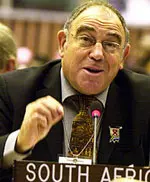
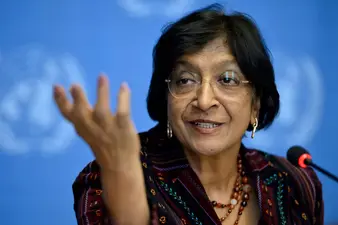
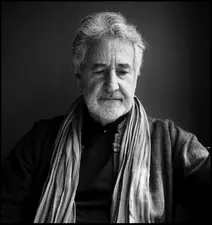
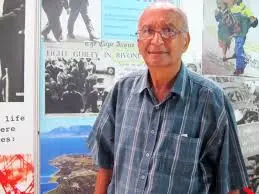
These are our featured biographies.
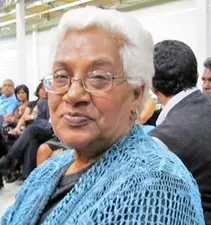
Featured SAHO articles
These are the latest of our articles.
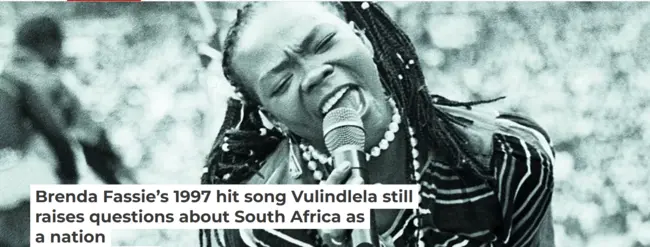
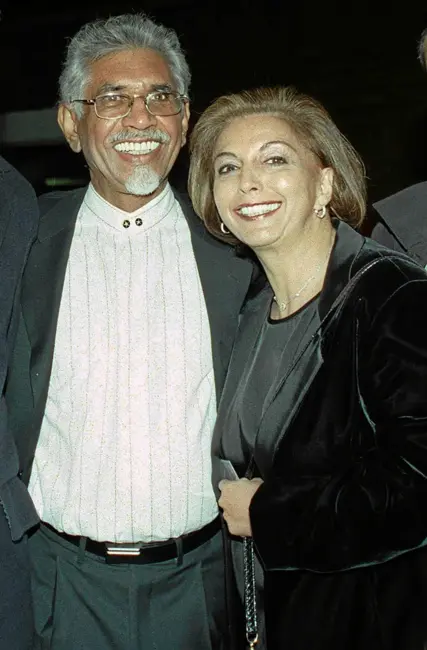
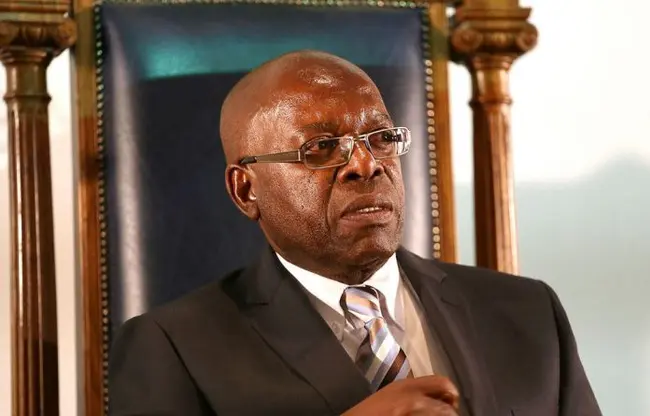
Most Read Content Today
Leslie Rubin
49 viewsPhumzile Mlambo-Ngcuka
45 views
Upcoming Events

Upcoming
Inhabiting the Uninhabitable: Who Gets to Stay on a Changing Planet?
Inhabiting the Uninhabitable: Who Gets to Stay on a Changing Planet?An international conference on the question of who gets to remain, and who is made...
View event record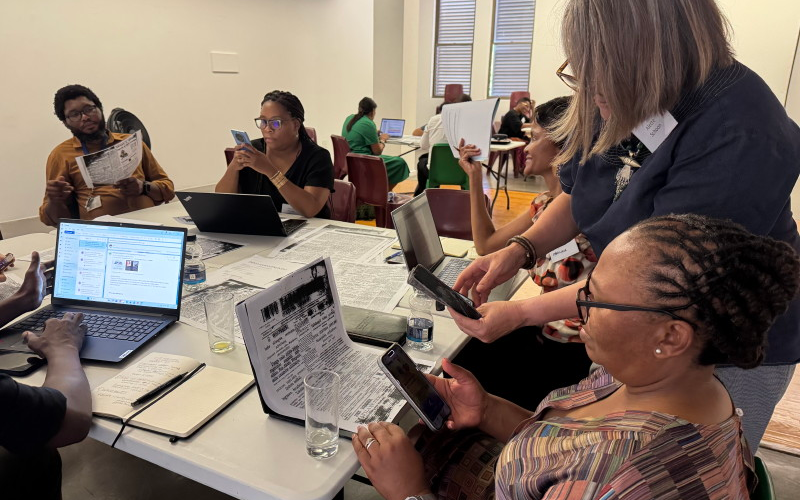
Upcoming
ACIP 2027: Call for Workshop Proposals and Ivan Karp Doctoral Research Award Applications
The African Critical Inquiry Programme (ACIP) invites proposals from scholars and practitioners in South Africa to organise the ACIP Workshop taking p...
View event record
Upcoming
17th Sports Africa Conference: Managing Sport in Africa
The Sports Africa Network will hold its 17th Sports Africa Conference in Cape Town, South Africa, from 12 to 14 May 2027, in association with the Univ...
View event recordHistory by Grade
Grade 4
Grade 4 - Learning about local history through pictures: Cape Town
Grade 5
Grade 5 - Term 4: A Heritage trail through the provinces of South Africa
Grade 6
Grade 6 - Term 3: Democracy and the Constitution
Grade 7
Grade 7 - Term 2: The Transatlantic slave trade
Grade 8
Grade 8 - Term 2: The Mineral Revolution in South Africa
Grade 9
Grade 9 - Term 1: World War II (1939 - 1945)
Grade 10
History Grade 10 - Topic 6 Contextual Overview
Grade 11
History Grade 11 - Topic 4 Contextual Overview
Grade 12
Grade 12 - Civil Resistance in South Africa 1970s to 1980
Mafika Gwala was a significant South African writer, who emerged in the 1960s and 1970s. A prominent activist of that era, he expressed the political needs and aspirations of all those victimised by apartheid. He was closely associated with the Soweto poets, Mongane Wally Serote, Mbuyiseni Mtshali, James Matthews and Mandla Langa. In 1973, he edited the Black Review, and his short stories, essays and poems have been published in numerous journals and anthologies. His poetry collections include Jo’Liinkomo (1977) and No More Lullabies (1982).
SAHO is free because readers fund it. Donate →
Universal Man: Jonathan Clegg “Sikeyi” (1953-2019). “Sikeyi” is a Zulu dance praise name: “The peg through a yoke that secures oxen in position, from Afrikaans juskei (juk: yoke], referring to the capacity of a formidable dancer to hold his stand.”
SAHO is free because readers fund it. Donate →