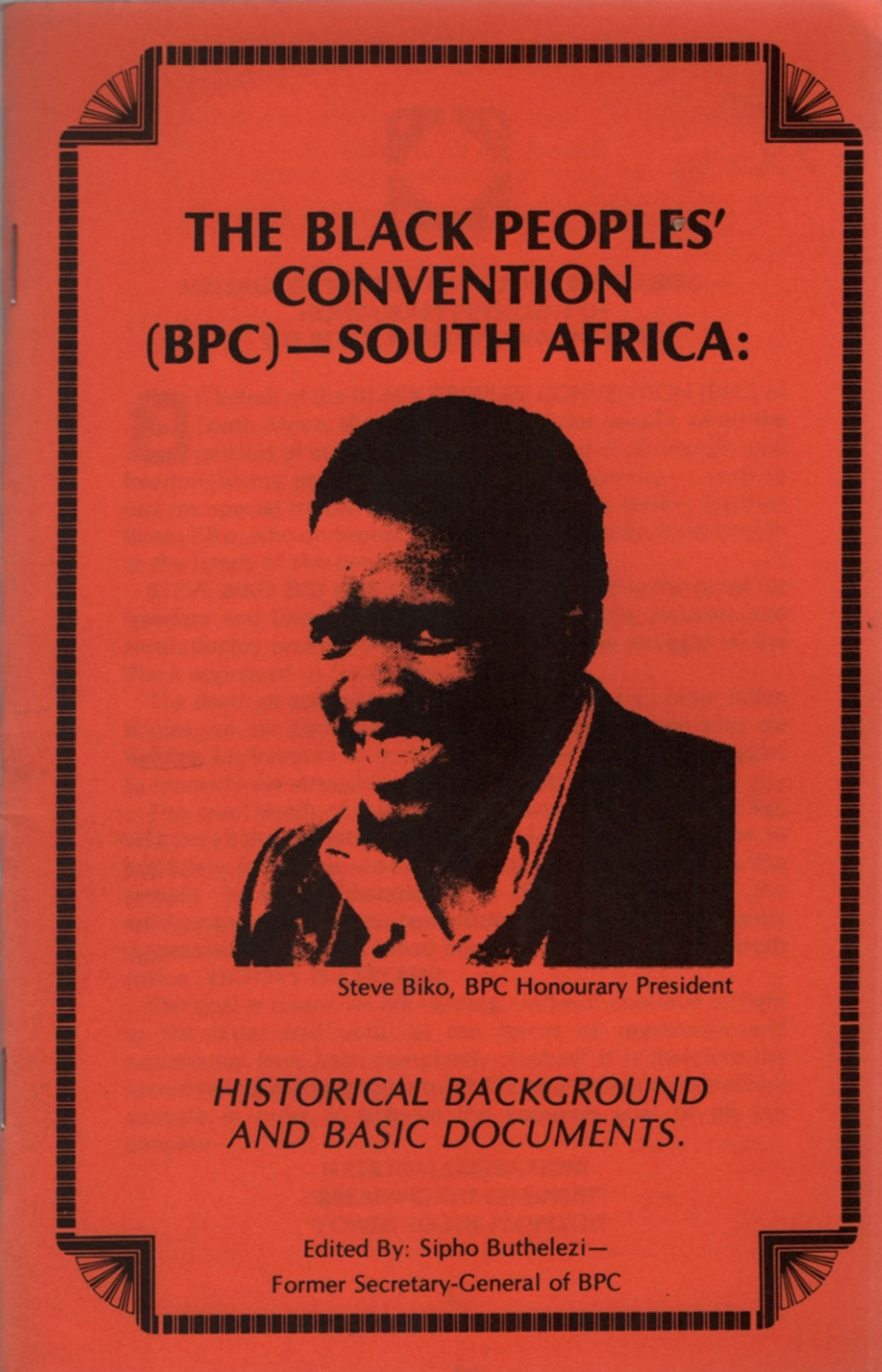
The Black People's Convention (BPC) held its first National Congress at Hammanskraal in December 1972, attended by approximately 200 African, Indian, and Coloured delegates and observers. The Congress followed the organisation's official launch in July 1972 in Pietermaritzburg, and an earlier meeting held at Edendale near Pietermaritzburg where participants had decided to promote Black solidarity and foster the philosophy of Black Consciousness.
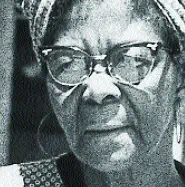
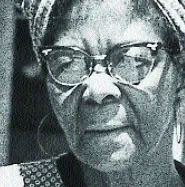
Envisaged as a broad-based counterpart to the South African Students' Organisation (SASO), the BPC was established as a national coordinating body to engage and mobilise broader civil society outside the universities. At the December Congress, Winnie Kgware was elected as the BPC's first president.
The main theme of the Congress was that Black people were becoming increasingly determined to chart their own future and find solutions to their own problems. The BPC's Constitution declared its intention to preach and popularise the philosophy of Black Consciousness and Black solidarity.
Several resolutions were passed at the Congress, including opposition to foreign investment that supported the economic system of White South Africa and exploited Black workers, and opposition to multinational sport as advocated by the apartheid government at the time.
The organisation faced severe repression from the apartheid state. During 1973, all office-bearers except one were served with banning orders. In 1974, when the BPC and SASO planned pro-Frelimo rallies to celebrate Mozambique's independence, the Minister of Justice prohibited all meetings by these organisations between 24 September and 20 October. Members who defied the ban in Durban and at the University of the North were arrested and detained under security laws. The BPC was eventually banned by the apartheid government in late 1977.