
Politics & Society
258 records
 Article
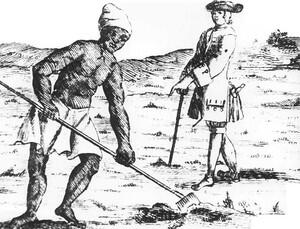
How Unique was Slavery at the Cape?
The first slaves arrived at the Cape in 1658, despite Jan van Riebeeck's several prior attempts at requesting slaves for the settlement…
 Article
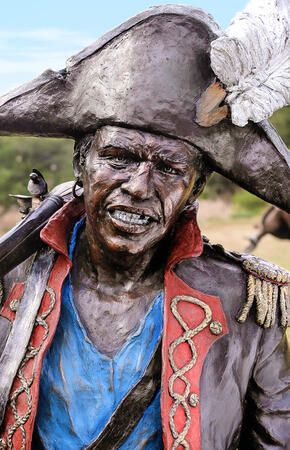
Louis van Mauritius and the Slave Revolt of 1808
The unique nature of slavery in the Cape Colony hindered many attempts at wide-scale resistance on the part of Cape slaves. Instead many…
 Article
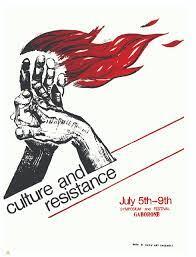
Culture and Resistance Conference, Botswana, 1982
Several hundred artists and activists from South Africa living in exile and within the country, as well as foreign nationals, were hosted…
The International Socialist League (ISL)
The International Socialist League (ISL) was formed in September 1915. It was created by a progressive faction of the South African Labour…
 Article
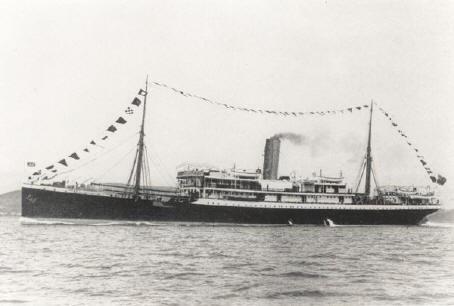
SS Mendi
The sinking of the SS Mendi was caused by the reckless action of the captain of the SS Darro. It remains the greatest wartime maritime…
 Article
Forced Removals in South Africa
Forced removals refer to the moving of people from their homes against their will. This may not always involve physical threat or force,…
 Article
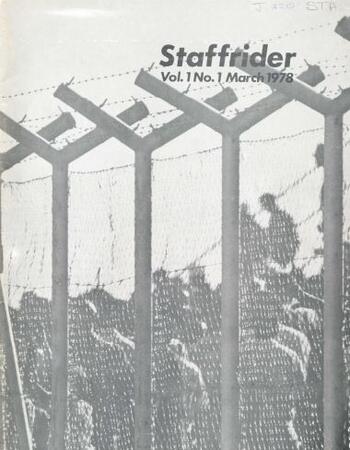
Staffrider magazine (1978-1993)
Introduction Staffrider was a South African literary and arts magazine published by Ravan Press in Johannesburg from 1978 to 1993. It…
 Article
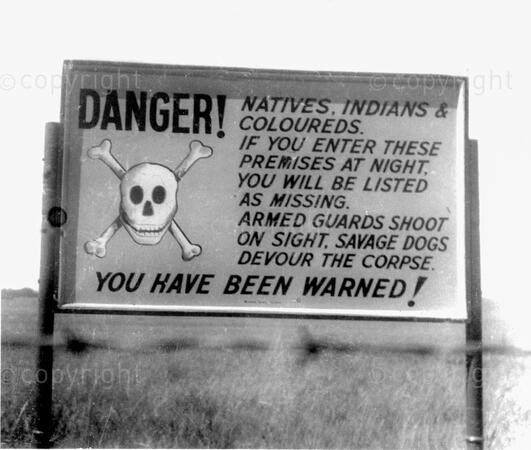
A history of Apartheid in South Africa
Background and policy of apartheidBefore we can look at the history of the apartheid period it is necessary to understand what apartheid…
 Article
A Charge of Treason by Norman Levy
This article was taken from the book The Final Prize by Norman Levy (Chapter 12) A Charge of Treason When detectives invaded the Congress…
 Article
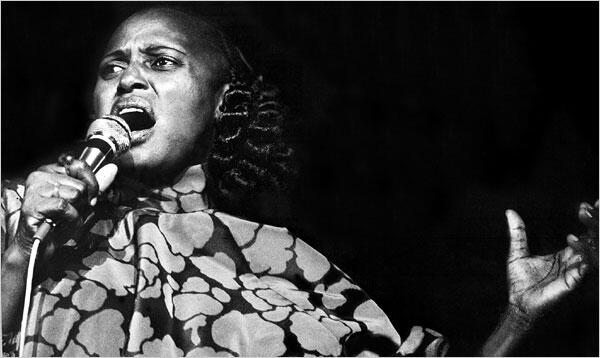
Miriam Makeba: Activist on Two Fronts by Connor Kirkpatrick
Miriam Makeba: Activist on Two Fronts Abstract: Miriam Makeba is a Grammy award-winning singer. She is from Johannesburg and…
 Article
Strong and Unnoticed: The Women of the UDF by Reid Arnold
Abstract The UDF was an umbrella organization that was founded to unify the hundreds of Anti-Apartheid movements occurring in the 1980s…
 Article
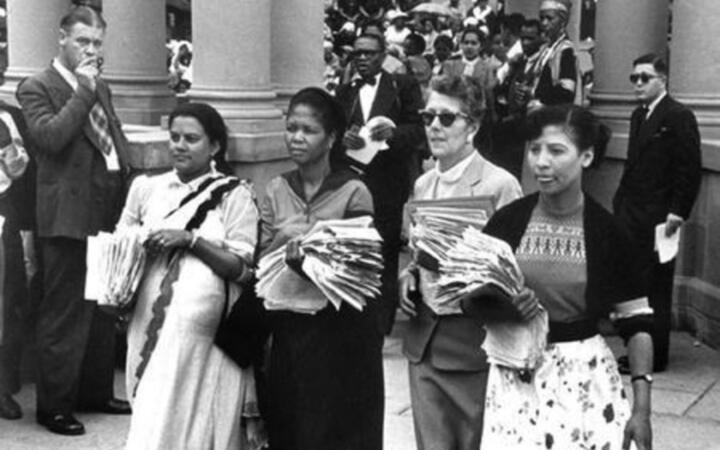
The 1956 Women’s March in Pretoria
The 1956 Women’s March in Pretoria, South Africa constitutes an especially noteworthy moment in women’s history. On 9 August 1956,…
 Article
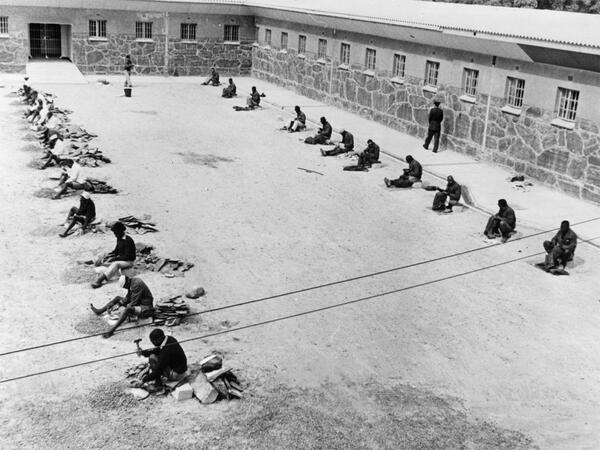
A history of prison labour in South Africa
Prison labour has a particularly debatable history in South Africa. Historically, South Africa operated on the understanding that prisons…
 Article
The Empty Land Myth
The Empty or Vacant Land Theory is a theory that was propagated by European settlers in nineteenth-century South Africa to support their…
 Article
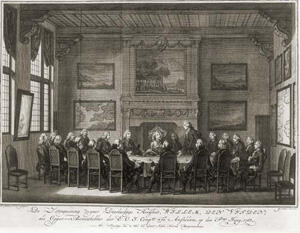
The Early Cape Slave Trade
The year 1658 marks the beginning of the slave trade at the Cape colony. During the first four years of the Dutch East India Company (VOC)…
 Article
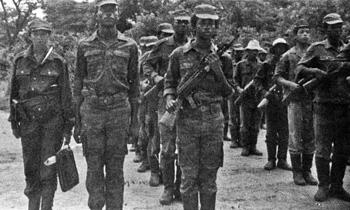
List of uMkhonto weSizwe Operations
ANC-2nd Submission to TRC - APPENDIX FOUR Please note: Information in this list was drawn from press reports and the Annual Surveys…
 Article
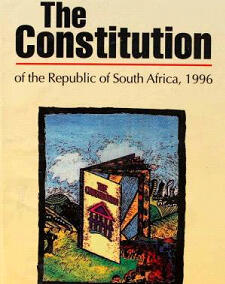
Constitution of the Republic of South Africa, 1996
The Constitution of the Republic of South Africa, 1996, was drawn up by the Parliament elected in 1994 in the first non-racial elections…
 Article
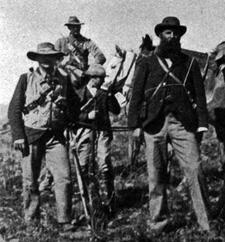
Responses in South Africa to the outbreak of WWI: The Afrikaner Response and the 1914 Rebellion
When the First World War broke out in August 1914, the British Government called upon the dominions in the British Empire to come to its…
 Article
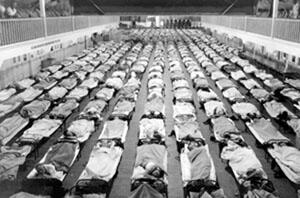
The Influenza epidemic
In March 1918 an international influenza pandemic broke out, that led to the deaths of 50 million people worldwide. The pandemic spread…
 Article
The Establishment of the Afrikaner Broederbond in May 1918.
In May 1918 a group of fourteen railway clerks, clergymen and policemen formed an organization, Jong Suid-Afrika (Young South Africa). A…
 Article
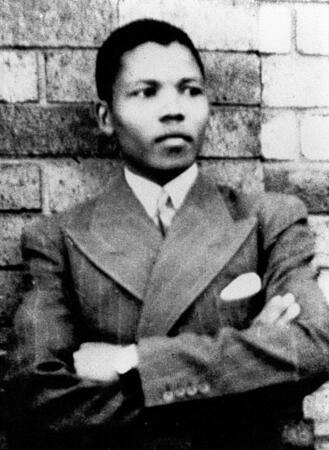
The World and South Africa when Nelson Mandela was born
Nelson Mandela was born into a world of war, revolutionary upheaval and a worldwide influenza pandemic. In July 1918, when Mandela was born…
 Article
Pondoland
Introduction. Pondoland is the traditional area of the Pondo people, one of the Xhosa speaking peoples. Pondoland area is situated on the…
 Article
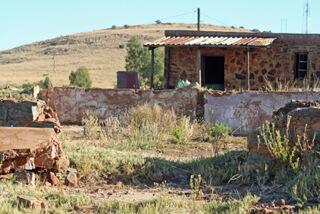
Forced removals on Highveld and "black spots", 1912-1991
In the early 1960s the Apartheid government moved swiftly to dislodge numerous Black communities on the Transvaal Highveld occupying land…
 Article
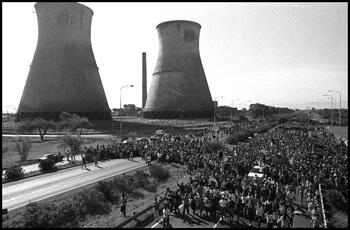
The Langa March, 30 March 1960
On 30 March 1960, Philip Kgosana led a Pan Africanist Congress (PAC) march of between 30.000-50.000 protestors from Langa and Nyanga to the…
 Article
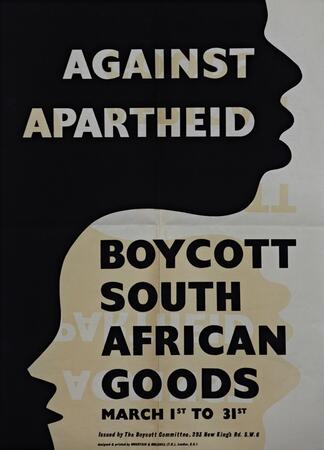
The Anti-Apartheid Movement (AAM)
World opposition to Apartheid Enforced racial segregation in South Africa began with the arrival of the Dutch and English colonisers. …
 Article
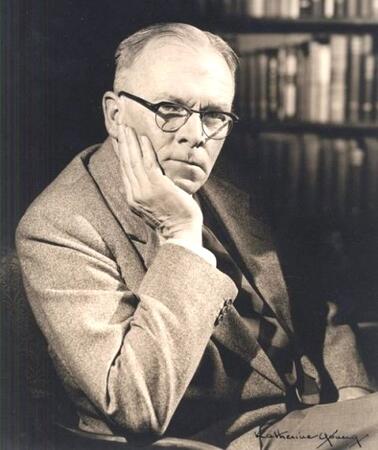
Liberal Party of South Africa (LPSA)
The ascendancy of the apartheid government in 1948 signalled a descent into institutionalized racism unseen in South Africa and elsewhere…
 Article
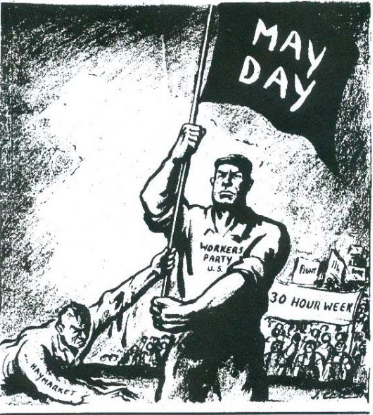
The History of May Day in South Africa
The struggle for a shorter workday, a demand of major political significance for the working class dates back to the 1800s. On 7 October…
 Article
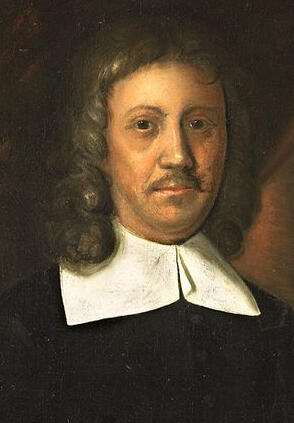
The Arrival of Jan Van Riebeeck in the Cape - 6 April 1652
On 24 December 1651, accompanied by his wife and son, Jan van Riebeeck set off from Texel in The Netherlands for the Cape of Good Hope. Van…
 Article
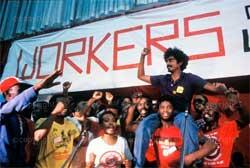
Congress of South African Trade Unions (COSATU)
The Congress of South African Trade Unions (Cosatu) was launched on 1 December 1985, at the height of the struggle against apartheid. As a…
 Article
Pan Africanist Congress timeline 1959-2011
In 1959 the Africanists broke away from the ANC and formed the Pan Africanist Congress (PAC). The histories of these two organisations are…