
SAHO global search
2,604 records
A Society for the “Advancement of Art”
… (NSA), led by its President Leo Francois (qv.) in the 1920s. Not only was the NSA highly successful, but it …
 Archive
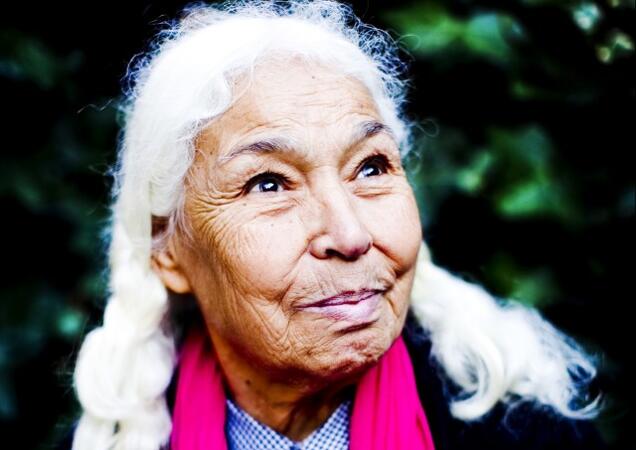
Biography of Nawal El Saadawi by Sierra Hussey
… British colonialism in Egypt. In the late 1910s and early 1920s, while England’s attention was directed towards WWI and …
 Event
EventSouth Africa, Cuba and Angola Sign formal peace agreement, allowing Namibian independence from South Africa
The agreement was the culmination of months of intense diplomatic efforts brokered by the United States. South African President P.W. Botha proclaimed, "A new…
Re-emergence of resistance, 1980-89
By the early 1980s, the Congress movement was becoming established as the most effective force in the fight against apartheid throughout the country. With the…
 Article
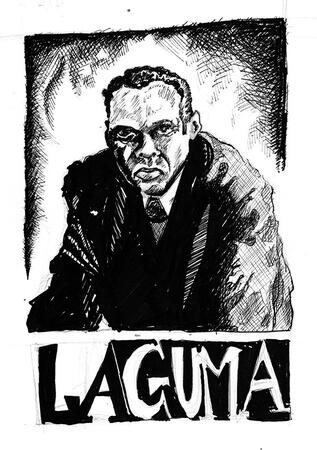
South African Coloured People Organisation (SACPO)
Like all other Black ethnic groups, the Coloureds also fell victim to segregation and repressive legislations enacted by Colonial and successive governments…
 Article
uMkhonto weSizwe (MK)
On 16 December, 1961, Umkhonto weSizwe (MK) was launched as an armed wing of the African National Congress (ANC). The formation of the MK Umkhonto…
 Article
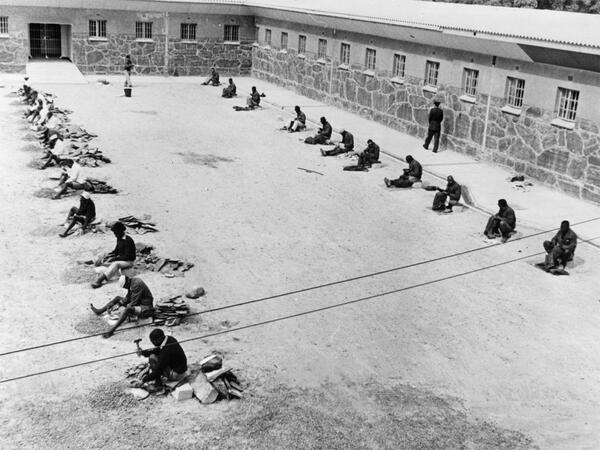
A history of prison labour in South Africa
Prison labour has a particularly debatable history in South Africa. Historically, South Africa operated on the understanding that prisons were places of…
 Article
Pondoland revolt - 1950 - 1961
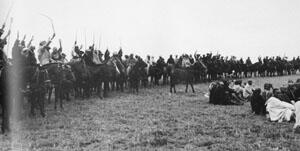
The Pondo people fiercely resisted the rise of the Colonisersand their attempts to reshape and re-engineer Pondoland and to co-opt their Chiefs. Violence…
Chapter 7 - CONCLUSION
From: The South African Communist Party In Exile 1963 - 1990 The Party, as an organisation, underwent a number of changes during the exile period, some of…
 Archive
Sishaywa Zimvula Nje, Simanikiniki Nje, Umhlol’Usekhaya – Reading Mafika Gwala in Times of Thunder and the Terror of the Elements by Sanibonani Molweni
Good afternoon Dumelang Hello Absheni! Hola! It is an honour to be with you this afternoon. The task at hand certainly daunts me. Yet, it is…
In the name of art - A reflection on fine art
Let these images be a tribute to the many artists who have died too soon and too young. Empraim gatane, Cyprian Shilakoe, Julian Motau, Thami Mnyele, and to…
The people armed, 1984-1990
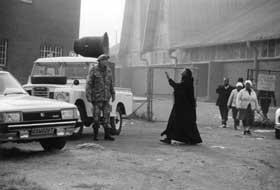
Introduction 1985, Desmond Tutu, armed only with the bible under his arm, confronts the SA forces during their attempts to break up a demonstration…
 Article
1960 - 1994: Armed Struggle and Popular Resistance
1984-1990:- The people armedIntroductionNumerous factors characterised the intensification of the freedom struggle against the National Party government in the…
40 Years of Shop Floor Resistance in a Rubber Factory by Sithembiso Bhengu
This paper was submitted to the 1973 Durban Strikes Celebrating 50 Years Conference Abstract This paper reflects on the 40 years (1970s to 2010s) of…
Document 58 - Robert Mangaliso Sobukwe, “The Opening Address at the Africanist Inaugural Convention”, 4 April 1959 [….]
From: South Africa's Radical Tradition, a documentary history, Volume Two 1943 - 1964, by Allison Drew Document 58 - Robert Mangaliso Sobukwe, "The Opening…
Everyone must take responsibility, 21 August, 2012 - Sahra Ryklief
On Thursday August 16, 34 striking miners were shot dead by police at Lonmin’s platinum mine in Rustenburg. It is not yet clear why the police were using live…
 Archive
Biography of Florence Mkhize by Rachel Manak
Florence Mkhize was an active member and leader in some of the most prominent organizations that worked to end apartheid in South Africa, including the…
The melody of freedom
A reflection on music Riot policeman Erasmus shot seventeen-year-old Mngcini 'Big Boy' Mginywa from Grahamstown at a funeral because, he told the judge, the…
Polokwane the Segregated city
Contents The Segregated City, 1910-1948 The Apartheid City A decade of Turbulence, 1976-86 Ructions within Afrikaner Politics Forced removals in the…
 Article
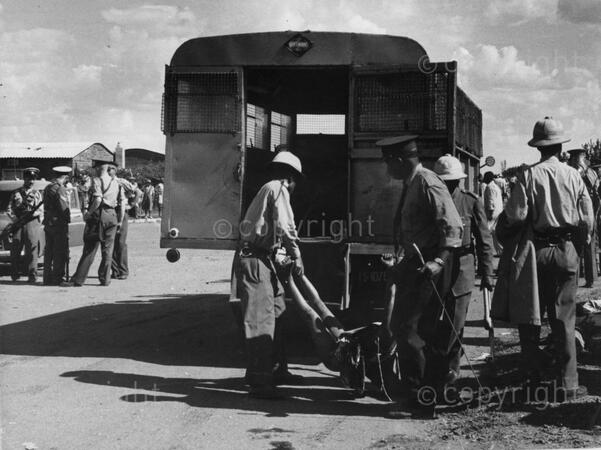
1960-1966: The genesis of the armed struggle
The 1960s marked an important watershed in South Africa's struggle against apartheid. The aftermath of the Sharpeville Massacre, in 1960, signalled the…
 Biography
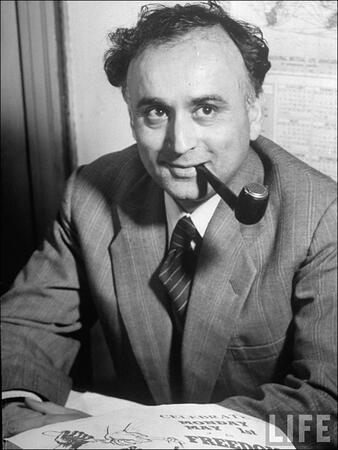
Dr Yusuf Mohamed Dadoo
Dr Yusuf Mohamed Dadoo played an outstanding role in the South African liberation movement for over half a century - in persuading the Indian community to link…
 Biography
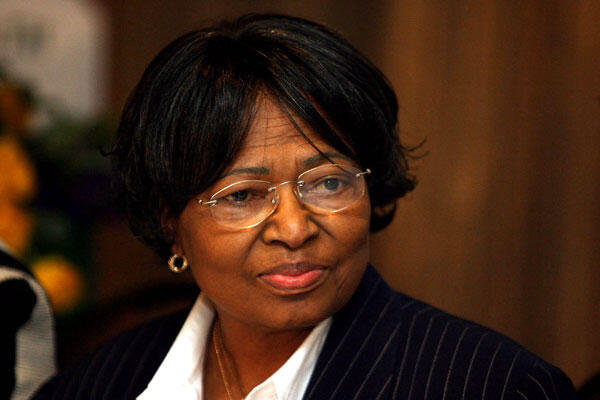
Dr. Mantombazana ‘Manto’ Tshabalala-Msimang
Manto Tshabalala-Msimang was born in Durban, KwaZulu-Natal on 9 October 1940. She attended Inanda Seminary Secondary School, a boarding school for black South…
2. Potchefstroom: A Fighting Location
… In the mid-1920s African protest escalated throughout the Transvaal … Images of "Blood River" and King Dingane in the late 1920s-1930, " ' History and Theory…
The Colors of Resistance in Apartheid South Africa: Black Consciousness Poetry and the Racial Elusiveness of Wopko Jensma
The article analyzes Black Consciousness poetry of the 1970s and 1980s South Africa alongside the protest poetry of white South African poet Wopko Jensma. It…
 Article
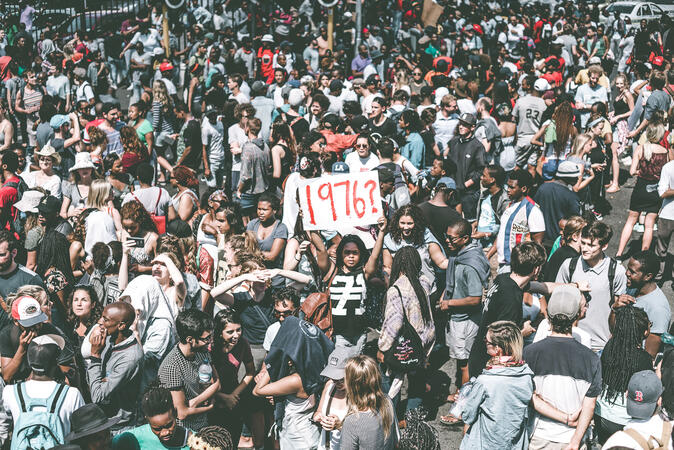
Afrikaans: the Language of Black and Coloured Dissent
IntroductionAfrikaans, one of the official languages, together with English, during South Africa’s Apartheid era, often occupies a politicised space as the …
Tribute to Prof Meer on her 80th birthday by Ari Sitas, 23 August 2008
South African History Online Tribute to Prof Meer on her 80th birthday by Ari Sitas 23 August 2008 Fatima Meer's career at Natal University spanned…
Address delivered at The 9th COSATU Congress, 18 September 2006, Gallagher Estate, Midrand
The President of Cosatu, Comrade Willie Madisha, General Secretary, Comrade Zwelinzima Vavi and all members of the Central Executive Committee, The Secretary…
The New Generation
A significant challenge to state policy as regards the visual arts was undertaken at The State of Art in South Africa Conference held in 1979 at the University…
 Article
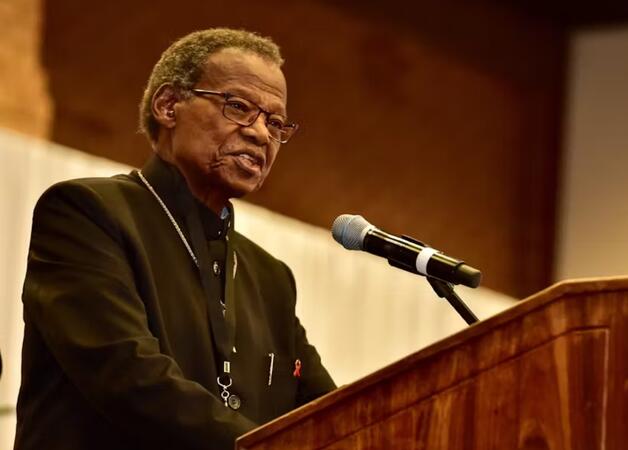
Mangosuthu Buthelezi was a man of immense political talent and contradictions
Mangosuthu Gatsha Buthelezi, who has died, was a history maker. He was born on 27 August 1928 into a tumultuous global century, and into the local conditions…
 Article
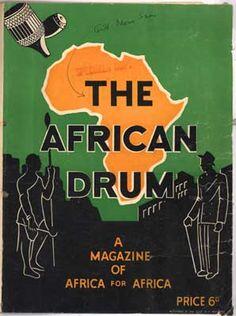
Drum Magazine
The establishment of Drum Magazine in the 1950s, notwithstanding the newly-elected Nationalist Party’s policy of Apartheid, reflected the dynamic changes that…