
SAHO global search
17,861 records
 Article
High Farce in the House
Both the HoR and HoD were characterised by impotence and incompetence. Examples include one NPP MP voting to support military conscription for Indian youth…
 Article
Political executions in South Africa by the apartheid government 1961 - 1989
On 9 June 1983, three members of the armed wing of the African National Congress (ANC), uMkhonto we Sizwe (MK), were executed at the gallows in Pretoria…
 Article
Women’s Rights and Representation
It was not until the introduction of the Bill of Rights that all women in this country received formal recognition as equal citizens. South African women …
 Article
The Union of South Africa: Movement towards Republic
The Afrikaner ideal of a republic South Africa only became a Republic on the 31st May 1961, but the formation of a Republic had been the dream of many…
Biography of Abdullah Ibrahim by Chance Overby
Figure 1 Image source Abdullah Ibrahim is a profoundly influential South African jazz musician who was frequently oppressed by the apartheid regime in South…
The African Resistance Movement (ARM): An Organisational History
OriginsOne of the defining moments in the struggle against apartheid in South Africa was the Sharpeville Massacre and its aftermath. The heavy-handed response…
Growth of African Nationalism and Defiance
The 1940s saw a growth of African nationalism that positioned itself to challenge the rising Afrikaner nationalism. The ANC which was weak in the 1920 and…
Article by Oliver Tambo - In the observer, 10 November 1985, London
Botha`s British Allies When the Pretoria regime imposed new restrictions on the press a week ago, it was in the hope that by pushing the ugly reality of…
Botha's British Allies by O. R. Tambo(Observer), London, 10 November 1985
When the Pretoria regime imposed new restrictions on the press a week ago, it was in the hope that by pushing the ugly reality of apartheid violence out of…
 Article
The Mau Mau Uprising
The Mau Mau uprising began in 1952 as a reaction to inequalities and injustices in British-controlled Kenya. The response of the colonial administration was a…
Segregationist Legislation Timeline 1950-1959
Immorality Amendment Act, Act No 21 of 1950 This Act was one of the most controversial pieces of Apartheid legislation. It prohibited adultery, attempted…
The historical significance of COSATU’s Workers’ Charter Campaign
Introduction During the late 1970s and early 1980s the issue of drawing up a Workers’ Charter became a leading item on the agenda of the South African labour…
 Article
The Empty Land Myth
The Empty or Vacant Land Theory is a theory that was propagated by European settlers in nineteenth-century South Africa to support their claims to land. Today…
 Archive
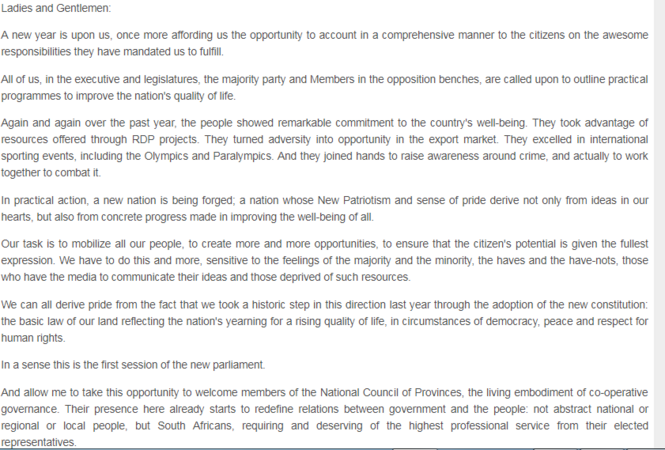
1997 - President Mandela, State of the Nation Address, 7 February 1997
Madame Speaker and Deputy Speaker of the National Assembly; Honorable Chairperson and Deputy Chairpersons of the National Council of Provinces; Honorable…
The South African Human Rights Commission
South Africa's Constitution (1996) enshrines the supremacy of the Constitution and the rule of law. Everyone in South Africa, including the government, and all…
 Article
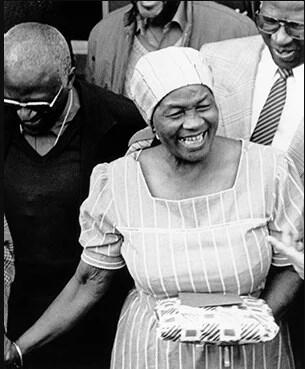
Nontsikelelo Albertina Sisulu’s “Mother of the Nation” Legacy
Nontsikelelo Albertina Sisulu, affectionately known as Ma Sisulu, has been described countless times as a caring and service-oriented individual who spent her…
 Article
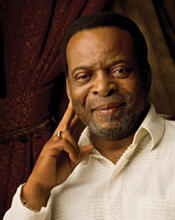
Zulu Family History
Zulu Kings 1781 to 1816 Senzangakhona 1816 to 1828 Shaka 1828 to 1840 Dingane 1840 to 1872 Mpande 1872 to 1879 Cetswayo 1879 to 1916…
Document 7 - ‘White South Africa.’ Two Voices.” The International, 27 January 1922
From: South Africa's Radical Tradition, a documentary history, Volume One 1907 - 1950, by Allison Drew Document 7 - 'White South Africa.' Two Voices." The…
 Article
Strong and Unnoticed: The Women of the UDF by Reid Arnold
Abstract The UDF was an umbrella organization that was founded to unify the hundreds of Anti-Apartheid movements occurring in the 1980s. Female leaders such…
 Article
uMkhonto weSizwe (MK)
On 16 December, 1961, Umkhonto weSizwe (MK) was launched as an armed wing of the African National Congress (ANC). The formation of the MK Umkhonto…
 Article
South Africa in the 1970s
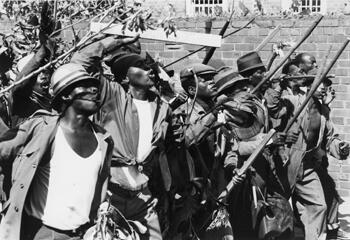
During the early 1960s, civil society was disempowered and social movements were repressed. Although the capacity for social movements to impose change…
Last of The Gandhians in South Africa
You are here: homehome libraryarticles & documents NANA SITA: LAST OF THE GANDHIANS IN SOUTH AFRICA (2) Among those who kept the spirit of Mahatma…
 Article
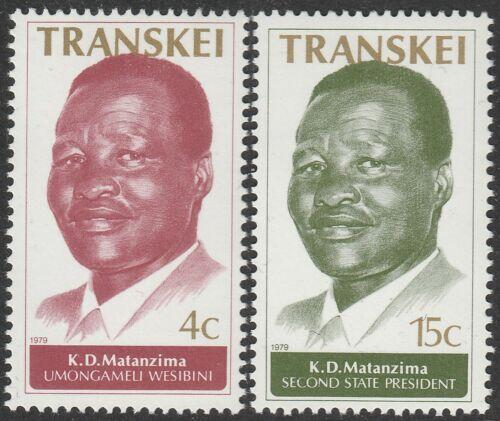
The Transkei
Struggles against the Bantu Authorities Act were fought in the Transkei, where the resistance of the peasants culminated in the Pondo revolt which broke into…
 Article
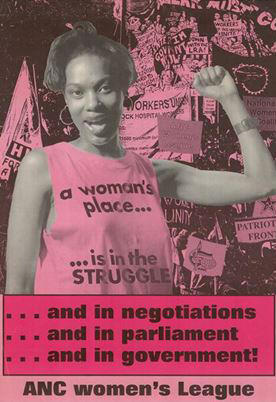
Women’s Role in the Negotiations by Nicole Dellaportas
This article was written by Nicole Dellaportas and forms part of the SAHO and Southern Methodist University partnership project Women’s Role in the…
Biography of Baleka Mbete-Kgositsile by Brianna T. Hogg
The Role and Impact of Baleka Mbete-Kgositsile and Women in South Africa Politics Abstract Baleka Mbete-Kgositsile has played a major and vital role in the…
Legislation, Dissent, and Violence in Sophiatown under Apartheid
AbstractThis article traces the major segregation laws in South Africa that acted as precedent for the 1954 Native Resettlement Act. This apartheid law…
 Article
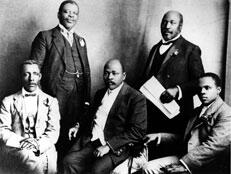
The formation of the SANNC/ANC
Bloemfontein is the birth place of the SANNC, which became the ANC in 1923, one of the largest organizations in later years to struggle for freedom and justice…
 Article
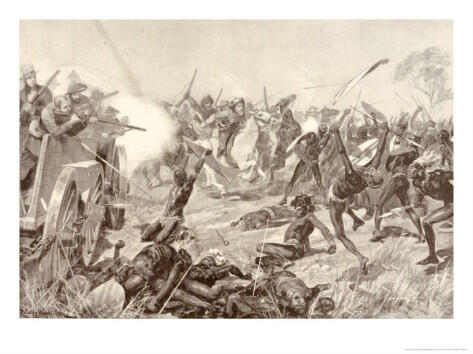
Origins of the Battle of Blood River 1838
The Great Trek and the advent of the Mfecane The origins of the battle are a matter of considerable debate. The background to this event can be found in two…
 Article
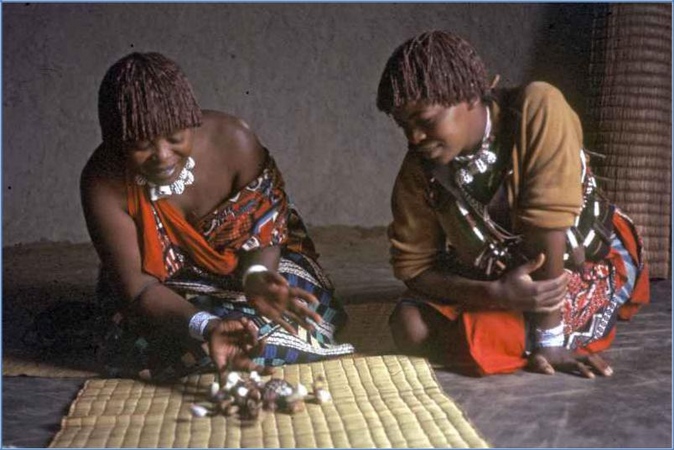
Indigenous medicine and traditional healing
Isangomas and inyangas are the two main types of indigenous or traditional healers in South Africa. Isangomas Isangomas are spiritual healers and are…
Armed struggle & the advancement of the student and labour movements, 1967-1976
Introduction MK Sabotage. This photograph was part of a sequence shot by a Rand Daily Mail photographer, two of which were published in the and Daily Mail of…