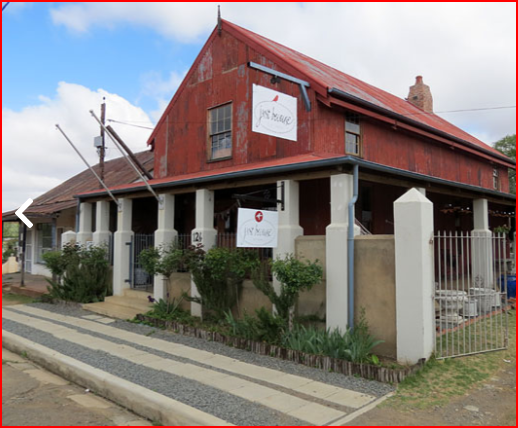
"Nestled in the rolling hills and tranquil Valleys of South Africa’s Mpumalanga Province, Wakkerstroom is a hidden gem waiting to be discovered. Known for its breathtaking natural beauty and rich Cultural Heritage, this charming Town offers a perfect escape from the hustle and bustle of City life."From outdoor adventures like bird-watching, hiking and fishing to cozying up in one of the Town’s inviting Cafes, Wakkerstroom offers something for everyone. With its rolling grasslands, charming cottages, and a tranquil, old-fashioned atmosphere, Wakkerstroom feels like a world away from modern life. This small town is known for its historic buildings, dating back to the 1800s, as well as its strong farming traditions. Wakkerstroom is also a birdwatcher’s paradise, offering a peaceful retreat for those looking to escape the hustle and bustle of city life.
Mpumalanga, is a town rich in History and natural beauty. Originally inhabited by the San people, around 1500 the Area saw its first white settlers in 1853, with the Town being officially established in 1859. The Town has played a significant role in South African History, particularly during the Anglo-Zulu and Anglo-Boer Wars, and later when significant political shifts ushered in a new era for the Union of South Africa.
Origins of its Name
Wakkerstroom's name originates from the Dutch language. “Wakker” means “awake” or “lively,” and “stroom” means “stream” or “river.” The Town was named after the Wakkerstroom River, which runs through the Area. The Town was originally named Marthinus-Wesselstroom after the then-president of the South African Republic: 'Marthinus Wessel Pretorius', but it became popularly known as Wakkerstroom due to the prominent River nearby. Over time, the name Wakkerstroom became the official name. This name reflects both the natural environment and the early settlers’ connection to the land, emphasizing the significance of the river in the town’s founding and history.
Military Past
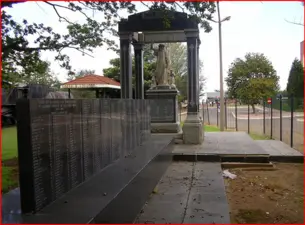
Wakkerstroom’s Historical Cemetery stands as a testament to its past, with graves dating from the town’s founders, to British soldiers who fought in the Area. The Cemetery holds the graves of both the first settlers and the brave soldiers who perished during the First and Second Boer Wars. Notably, the Town witnessed strategic military occupations during these wars, with remnants of Blockhouses and Forts still visible today. Additionally, Memorials such as:'the Victoria Cross' awarded to Private James Osborne for his bravery and the commemoration of the North-Staffordshire regiment, highlight the Town’s military past.
Political Influence
Wakkerstroom’s political influence despite being a small and seemingly remote Town became significant, in the early 20th Century, due to its status as one of the larger constituencies in the Old Transvaal Region during crucial periods in South African History. At a time when South Africa was transitioning from British Colonial Rule to the Union of South Africa, constituencies like Wakkerstroom had a say in shaping the direction of national politics. The fact that Wakkerstroom was chosen as the location for by-elections, especially after major political shifts like the rise of the National Party in 1948, underscores its strategic value. This constituency became a litmus test for the broader political mood in the Country.
Historical Sites
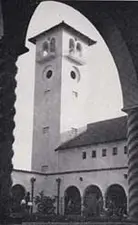
Walk Back in Time through history. Despite Wakkerstroom being a small town, it boasts a variety of exceptional Heritage Sites. Visiting these Heritage Sites reflect the Town’s role in South African History, from its establishment in 1859 to its involvement in significant political events. Wander through preserved Buildings, learn about the Town’s origins, and gain insight into the lives of those who shaped Wakkerstroom’s past. Each step you take unveils a piece of History that has been carefully preserved, allowing you to connect with the Town’s Heritage in a deeply personal way.
National Monuments
- Old Court House (Circa-before 1897)
- Paul Kruger Bridge (Circa-before 1902)
- St Marks Anglican Church (Circa-before 1890)
Buildings & Structures
- First National Bank building (Circa-before 1920)
- St Joseph’s Catholic Church (Circa-before 1904)
- NG Kerk / Church (Circa-before 1861)
- Postal Coach House
- Powder House - Kruithuis in Afrikaans
- Paul Kruger Stables
- Reverend Sandler House
- Railway Bridge
- Paul Kruger Bridge
- Greenacres Manor
- The Ou Stasie (meaning the Old Station, when translated from Afrikaans to English)
Wakkerstroom Hotel
-- (about the picture featured at the top of the article)--
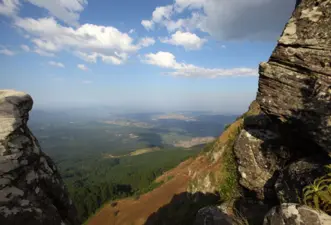
Ossewakop (“Ox Wagon Hill”) -This is to commemorate the 100th anniversary of the Great Trek. It is whitewashed rocks on the slopes just below the summit. The route up the Mountain is difficult and torturous, so please read the cautionary notes before embarking on this trip. The remarkable views over the Town and its surrounds from the beacon on top of the Mountain certainly make the effort to get up there worthwhile! (READ LINK IN FURTHER READING FOR A VIDEO)