
Politics & Society
258 records
 Article
Indian South Africans timeline 1900-1909
Indian South Africans timeline 1900-1909 1900 The East London Mayor's Minute for 1899-1900 states that 1,000 refugees from war in the…
Indian South Africans timeline 1950-1959
Indian South Africans Timeline: 1950-1959 1950 A.K.M. Docrat, a popular activist, was named under the Suppression of Communism Act. He…
 Article
Indian South Africans timeline 1920-1929
1920 February, The Asiatic Inquiry Commission, headed by Sir Johannes Lange, is appointed to inquire into laws concerning the right of…
 Article
Yusuf Dadoo Centenary Celebrations
2009 marked 100 years since Yusuf Dadoo was born in Krugersdorp, West Rand on 5 September. Today, he like many activists of the South…
Yusuf Dadoo Timeline: 1910 - 1919
1910 February 26, Mohandas Karamchand Gandhi supports the African Peoples’ Organisation (APO) resolution to declare the day of arrival…
 Article
Indian South Africans timeline 1930-1939
1930 The Durban Municipality was a major employer of Indian labour, employing an average of 2 000 workers through the 1930s and 1940s. …
 Article
The Wragg Commission (1885-1887)
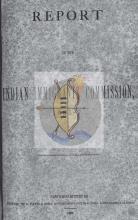
Indian immigration into Natal brought with it strained relations and severe problems and conflicts between the White colonists and the new…
 Article
Indian South Africans timeline 1960-1969
Indian South Africans Timeline: 1960-1969 1960 19 February, Dr Monty Naicker called for strength in resistance, citing the example of…
Yusuf Dadoo Timeline: 1900 - 1909
1902 At the cessation of hostilities, Sir Alfred Milner, the former British High Commissioner and Governor of the Cape and now…
Apartheid - A Crime Against Humanity: The Unfolding of Total Strategy 1948-1989
The content of this article was taken from the book A Crime Against Humanity - Analysing the Repression of the Apartheid State edited by…
 Article
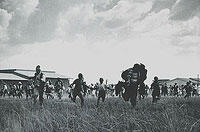
Sharpeville Massacre, 21 March 1960
At the annual conference of the African National Congress (ANC) held in Durban on 16 December 1959, the President General of the ANC, Chief…
 Article
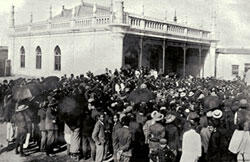
Passive Resistance in South Africa
The passive resistance movement in South Africa is seen as, largely, led by M K Gandhi and the Indian Congresses campaigns. However, this…
 Article
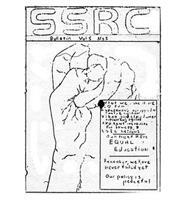
Soweto Students’ Representative Council (SSRC)
Before the June 16 student uprising, the Soweto Students' Representative Council (SSRC) was formed. This organisation led the march that…
 Article
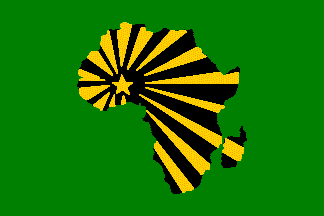
PAC’s African Women’s Organisation
The aim of the African Women's Organisation is to rally African women under the banner of African Nationalism and to educate women socially…
 Article
Federation of South African Women (FEDSAW)
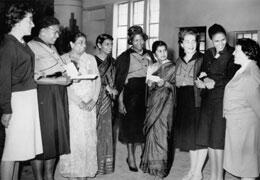
The Federation of South African Women (FEDSAW or FSAW) was launched on 17 April 1954 in Johannesburg as the first attempt to establish a…
 Article
Black Sash
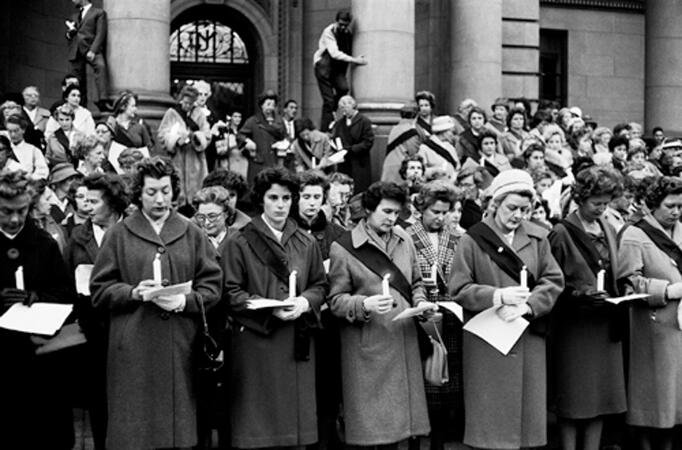
The Women's Defence of the Constitution LeagueIn 1955 a small group of white middle-class women who were predominantly English-speaking…
 Article
ANC Women’s League (ANCWL)
When the African National Congress (ANC) was formed in 1912, it did not accept women as members. In 1918, the government threatened to…
 Article
African Nationalism
Introduction Nationalism refers to an ideology, a form of culture, or a social movement that focuses on the nation. It emphasises the…
 Article
1960 - 1994: Armed Struggle and Popular Resistance
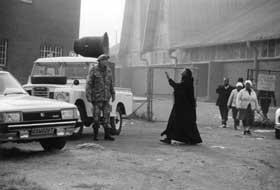
1984-1990:- The people armedIntroductionNumerous factors characterised the intensification of the freedom struggle against the National…
 Article
Dutch East India Company (DEIC)/VOC
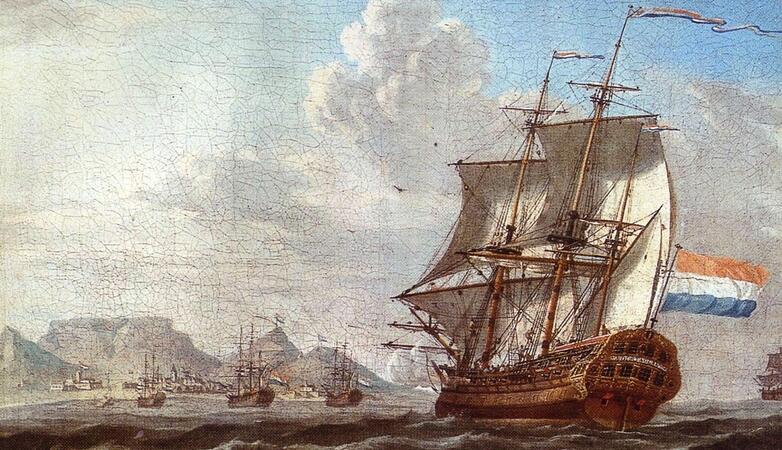
March 20, 1602 marked the beginning of the inexorable end for many a state in the then known world. On that day, four hundred years ago, a…
 Article
Natal Indian Congress (NIC)
The NIC (Natal Indian Congress) was the first of the Indian Congresses to be formed. It was established in 1894 by Mahatma Gandhi to fight…
 Article
End Conscription Campaign (ECC)
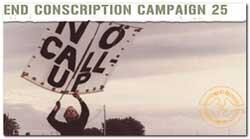
In the late 1970s four young men publicly refused to obey their army call-ups by the South African Defence Force (SADF) and were sentenced…
 Article
Afrikaner Weerstandsbeweging (AWB)
The Afrikaner Weerstandsbeweging (AWB) was an ultra-right wing organisation led by Eugene Terreblanche, that first came into prominence in…
 Article
Non-European Unity Movement (NEUM)
This article was written by Baruch Hirson A Short history of the Non-European Unity – An insider's view Where is the Non-European Unity…
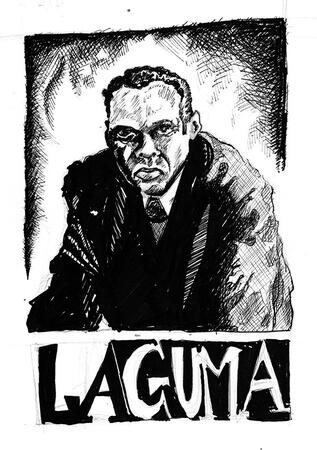
African People’s Organisation (APO)
By the beginning of the twentieth century a number of political organisations initiated by Coloureds existed, most of which dealt with the…
 Article
South African Coloured People Organisation (SACPO)
Like all other Black ethnic groups, the Coloureds also fell victim to segregation and repressive legislations enacted by Colonial and…
 Article
Azanian People’s Organization (AZAPO)
In aftermath of the June 16 Uprising, the government cracked down on student activists and organisations alike. On 19 October 1977 the…
 Article
South African Defence Force (SADF)
Early years The history of the South African Defence Force (SADF) can be traced to the 1660s. When Jan van Riebeeck landed at the Cape in…
 Article
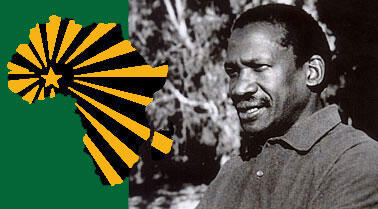
Pan Africanist Congress (PAC)
The Pan Africanist Congress (PAC) is a political party whose presence in the South African political landscape spans just over half a…
 Article
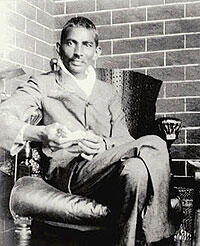
South African Indian Congress (SAIC)
The period 1860-1923 is characterised firstly by the introduction of indentured Indian labourers into Natal and of the "passenger" Indians…