
Fares and Distances. Pullers could make up to £1 per day which aroused white anger. Working conditions did not make for a long life. 1906 report and 1899 representations to government. The life of a ricksha puller was not easy, and in many Asian countries it soon organised into a sub-culture of crime and violence which reduced the life expectancy of many pullers to less than a year. Mark Tully, author of “Heart of India”, tells of how young men were lured into this employment by the prospect of good money, and then found themselves trapped into it by a cycle of drug-taking and physical exhaustion.
By the 1940s ricksha pullers in many Asian countries had made the transition to the less-tiring tricycle ricksha, and in Bangladesh these became a picturesque addition to the country’ s tourist attraction. In others, however, such as post-1945 China, the work was deemed to be too degrading for a human being and their use was finally banned by the new communist government.
Image record
amalisha-36.jpg
- Updated
- 24 Jul 2019

Franco Frescura collection
South African History Online. (2011, March 28). amalisha-36.jpg. South African History Online. https://sahistory.org.za/ref/I-0046258
South African History Online (2011) 'amalisha-36.jpg', South African History Online, 28 March. Available at: https://sahistory.org.za/ref/I-0046258 (Accessed: 29 October 2026).
South African History Online, amalisha-36.jpg [website], https://sahistory.org.za/ref/I-0046258, (accessed 29 October 2026).
"amalisha-36.jpg." South African History Online, 28 Mar. 2011, https://sahistory.org.za/ref/I-0046258. Accessed 29 Oct. 2026.
South African History Online. "amalisha-36.jpg." South African History Online. March 28, 2011. https://sahistory.org.za/ref/I-0046258.
Further reading
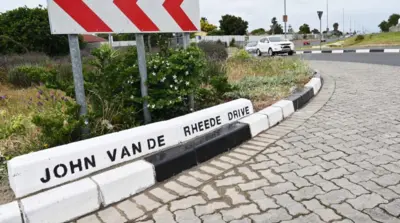 Place
Kuils River

 Place
False Bay
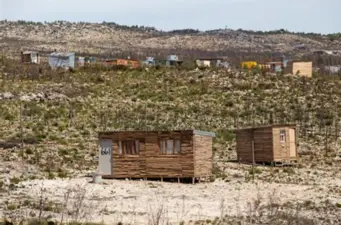 Place
Knoflokskraal Settlement
 Archive
 Archive
How Glasgow helped free Nelson Mandela
SAHO is free because readers fund it. Donate →