
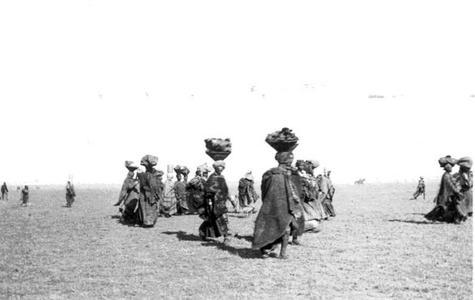
African women on route to a concentration camp in the Orange Free State. British military policy discouraged Black civilians from bringing foodstuffs into the concentration camps to create a situation of desperation, thus inducing the inmates to work for rations. These women carried their only belongings and foodstuffs on their heads and are being ‘shadowed' by a mounted soldier visible on the skyline. Women and children undertook most of the agricultural labour in the concentration camps, later run by the Department of Native Refugees.
imageREF I-0043833Revised
Image record
African women on route to a concentration camp in the Orange Free State
- Updated
- 24 Jul 2019
Royal Regiment of Wales
South African History Online. (2011, March 28). African women on route to a concentration camp in the Orange Free State. South African History Online. https://sahistory.org.za/ref/I-0043833
South African History Online (2011) 'African women on route to a concentration camp in the Orange Free State', South African History Online, 28 March. Available at: https://sahistory.org.za/ref/I-0043833 (Accessed: 31 October 2026).
South African History Online, African women on route to a concentration camp in the Orange Free State [website], https://sahistory.org.za/ref/I-0043833, (accessed 31 October 2026).
"African women on route to a concentration camp in the Orange Free State." South African History Online, 28 Mar. 2011, https://sahistory.org.za/ref/I-0043833. Accessed 31 Oct. 2026.
South African History Online. "African women on route to a concentration camp in the Orange Free State." South African History Online. March 28, 2011. https://sahistory.org.za/ref/I-0043833.
Further reading
 Place
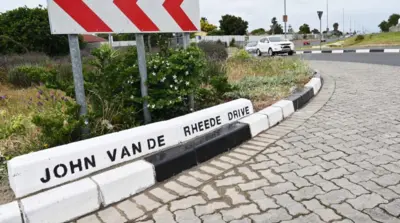
Kuils River
Long before European ships arrived, the land around modern Kuils River already carried the footprints of indigenous...

 Place
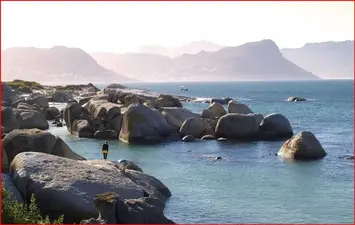
False Bay
If you leave the "Mother City" of South Africa and follow the M3 towards Muizenberg, you will have a great view of the.....
 Place
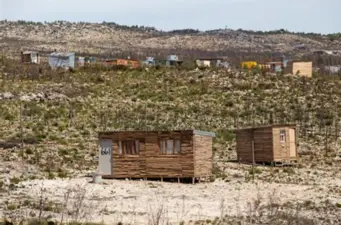
Knoflokskraal Settlement
Knoflokskraal is a settlement that has grown significantly since its inception in 2020, with homes, livestock farms,...
 Archive
 Archive
How Glasgow helped free Nelson Mandela
Your browser does not support the video tag.
SAHO is free because readers fund it. Donate →