
Event record
Sir John Cradock, governor of the Cape, issues a proclamation putting the Hottentots (Khoi-Khoi) under colonial law. This means
- Updated
- 30 Sep 2019
How we know this
- 01Kruger, D.W. (ed)(1979). Geskiedenis van Suid-Afrika; verwerk en bygewerk deur D.W. Kruger; 3de bygewerkte uitg., Goodwood, Cape Town: NASOU p. 158
Last updated · 30 Sep 2019
South African History Online. (2011, November 1). Sir John Cradock, governor of the Cape, issues a proclamation putting the Hottentots (Khoi-Khoi) under colonial law. This means. South African History Online. https://sahistory.org.za/ref/E-0068953
South African History Online (2011) 'Sir John Cradock, governor of the Cape, issues a proclamation putting the Hottentots (Khoi-Khoi) under colonial law. This means', South African History Online, 1 November. Available at: https://sahistory.org.za/ref/E-0068953 (Accessed: 13 October 2026).
South African History Online, Sir John Cradock, governor of the Cape, issues a proclamation putting the Hottentots (Khoi-Khoi) under colonial law. This means [website], https://sahistory.org.za/ref/E-0068953, (accessed 13 October 2026).
"Sir John Cradock, governor of the Cape, issues a proclamation putting the Hottentots (Khoi-Khoi) under colonial law. This means." South African History Online, 1 Nov. 2011, https://sahistory.org.za/ref/E-0068953. Accessed 13 Oct. 2026.
South African History Online. "Sir John Cradock, governor of the Cape, issues a proclamation putting the Hottentots (Khoi-Khoi) under colonial law. This means." South African History Online. November 1, 2011. https://sahistory.org.za/ref/E-0068953.
Further reading
 Archive
 Place
Place
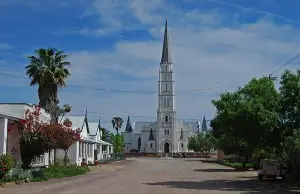
Xamdeboo was called Aberdeen, Eastern Cape
 Place
Place
Cape Town Civic Centre and the CBD of Cape Town
 Place
Place
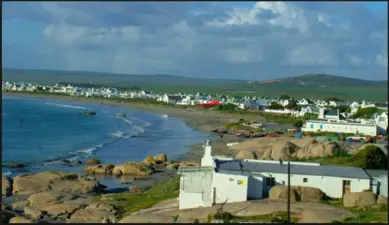
Paternoster, West Coast
 Article
Brenda Fassie’s 1997 hit song Vulindlela still raises questions about South Africa as a nation
Search events by date
This day in history
What happened on your birthday?
SAHO is free because readers fund it. Donate →