
Event record
Anti-Pass petition sent to President Steyn
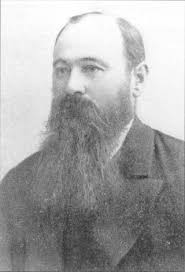
President Steyn Image source
- Updated
- 30 Sep 2019
President Steyn Image source
Search events by date
This day in history
What happened on your birthday?
How we know this
- 01Nombonisa Gasa, Women in South African History: They Remove Boulders and Cross Rivers, Basus'iimbokodo, Bawel'imilambo (Cape Town: HSRC Press, 2007).
- 02South African History Online, The 1913 Women’s anti-pass campaign in the Orange Free State, [online], Available at http://www.sahistory.org.za/article/1913-womens-anti-pass-campaign-orang... [Accessed: 27 January 2017]-orange-free-state [Accessed: 27 January 2017]
Last updated · 30 Sep 2019
South African History Online. (2017, May 5). Anti-Pass petition sent to President Steyn. South African History Online. https://sahistory.org.za/ref/E-0123291
South African History Online (2017) 'Anti-Pass petition sent to President Steyn', South African History Online, 5 May. Available at: https://sahistory.org.za/ref/E-0123291 (Accessed: 13 September 2026).
South African History Online, Anti-Pass petition sent to President Steyn [website], https://sahistory.org.za/ref/E-0123291, (accessed 13 September 2026).
"Anti-Pass petition sent to President Steyn." South African History Online, 5 May 2017, https://sahistory.org.za/ref/E-0123291. Accessed 13 Sept. 2026.
South African History Online. "Anti-Pass petition sent to President Steyn." South African History Online. May 5, 2017. https://sahistory.org.za/ref/E-0123291.
Further reading
 Place
Place
Winburg
 Biography

SAHO is free because readers fund it. Donate →
Contribute to this record0 comments
Comments are reader contributions. They are not part of the archival record.