
Politics & Society
258 records
 Article
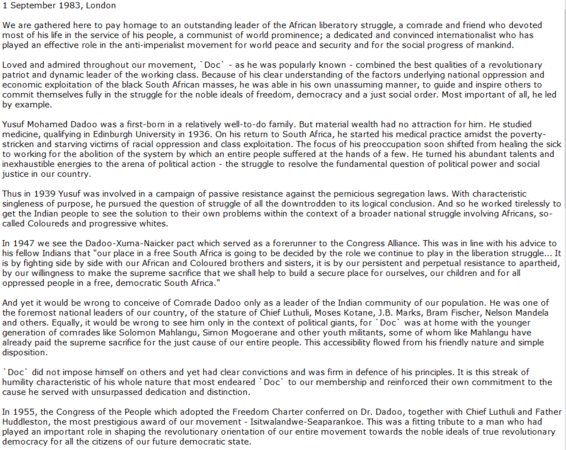
Message of the National Executive Committee of the ANC, delivered by Mr. Tambo, at the funeral of Dr. Yusuf M. Dadoo
1 September 1983, London We are gathered here to pay homage to an outstanding leader of the African liberatory struggle, a comrade and…
 Article
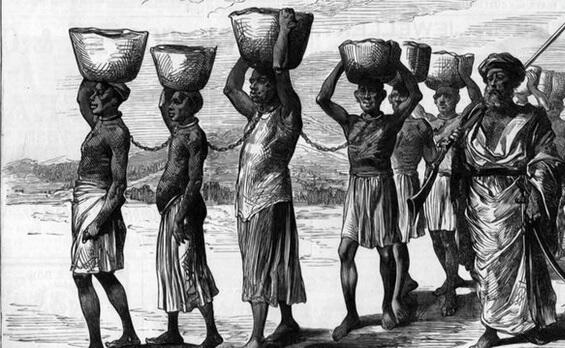
History of slavery and early colonisation in South Africa
With colonialism, which began in South Africa in 1652, came the Slavery and Forced Labour Model. This was the original model of…
 Article
About Nkosi Albert Luthuli Oral History Project
The Nkosi Albert Luthuli Oral History Competition is a national competition that has taken place annually since 2006. Each year it is open…
 Article
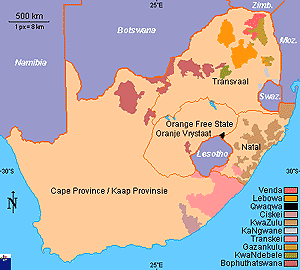
The Homelands
The Bantustans or homelands, established by the Apartheid Government, were areas to which the majority of the Blacks population was moved…
 Article
Yusuf Dadoo Centenary Celebrations
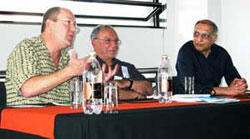
2009 marked 100 years since Yusuf Dadoo was born in Krugersdorp, West Rand on 5 September. Today, he like many activists of the South…
 Article
The Wragg Commission (1885-1887)
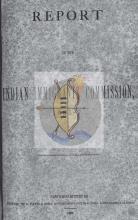
Indian immigration into Natal brought with it strained relations and severe problems and conflicts between the White colonists and the new…
Apartheid - A Crime Against Humanity: The Unfolding of Total Strategy 1948-1989
The content of this article was taken from the book A Crime Against Humanity - Analysing the Repression of the Apartheid State edited by…
 Article
Passive Resistance in South Africa
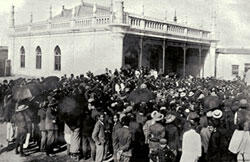
The passive resistance movement in South Africa is seen as, largely, led by M K Gandhi and the Indian Congresses campaigns. However, this…
 Article
Soweto Students’ Representative Council (SSRC)
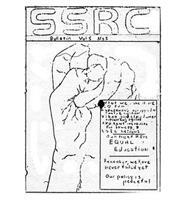
Before the June 16 student uprising, the Soweto Students' Representative Council (SSRC) was formed. This organisation led the march that…
 Article
PAC’s African Women’s Organisation
The aim of the African Women's Organisation is to rally African women under the banner of African Nationalism and to educate women socially…
 Article
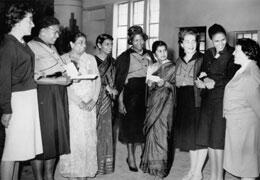
Federation of South African Women (FEDSAW)
The Federation of South African Women (FEDSAW or FSAW) was launched on 17 April 1954 in Johannesburg as the first attempt to establish a…
 Article
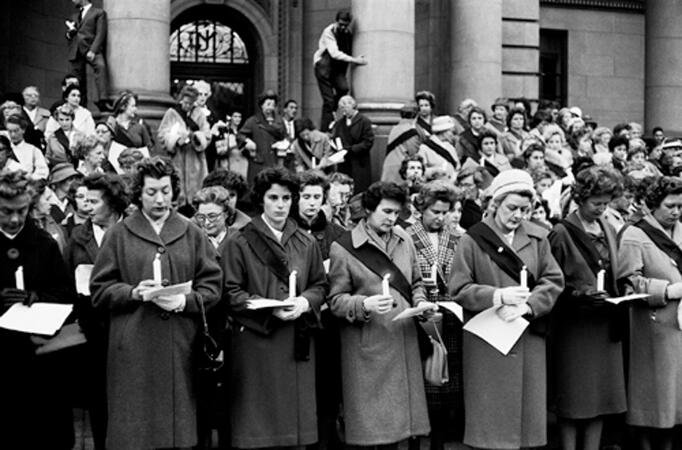
Black Sash
The Women's Defence of the Constitution LeagueIn 1955 a small group of white middle-class women who were predominantly English-speaking…
 Article
ANC Women’s League (ANCWL)
When the African National Congress (ANC) was formed in 1912, it did not accept women as members. In 1918, the government threatened to…
 Article
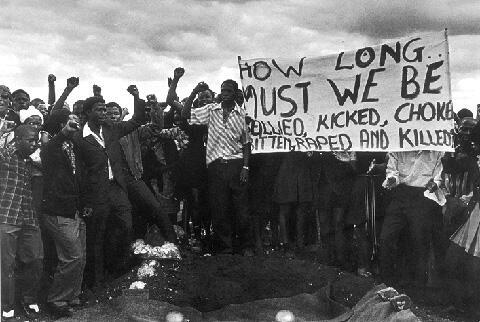
African Nationalism
Introduction Nationalism refers to an ideology, a form of culture, or a social movement that focuses on the nation. It emphasises the…
 Article
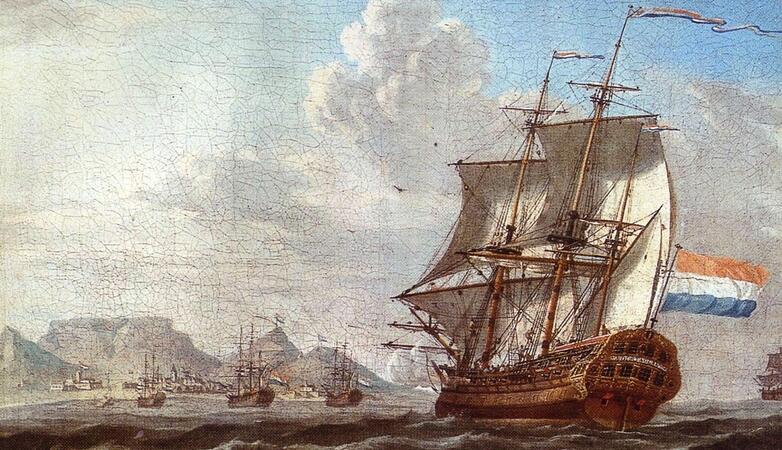
Dutch East India Company (DEIC)/VOC
March 20, 1602 marked the beginning of the inexorable end for many a state in the then known world. On that day, four hundred years ago, a…
 Article
Afrikaner Weerstandsbeweging (AWB)
The Afrikaner Weerstandsbeweging (AWB) was an ultra-right wing organisation led by Eugene Terreblanche, that first came into prominence in…
African People’s Organisation (APO)
By the beginning of the twentieth century a number of political organisations initiated by Coloureds existed, most of which dealt with the…
 Article
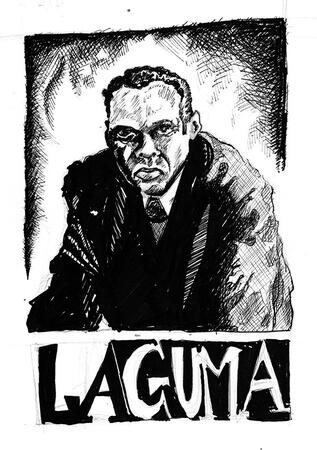
South African Coloured People Organisation (SACPO)
Like all other Black ethnic groups, the Coloureds also fell victim to segregation and repressive legislations enacted by Colonial and…
 Article
Prehistory of the Pretoria area
The Pretoria region was initially occupied by the southern Ndebele people, led by Chief Musi. They inhabited this area about 300 to 400…
 Article
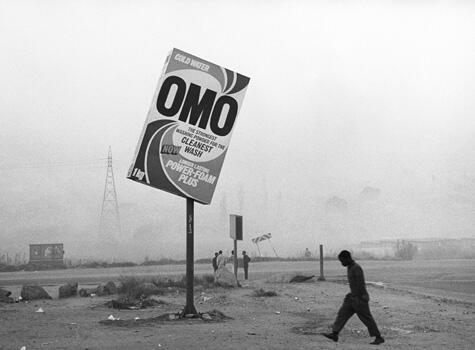
Afrapix
Afrapix – Comrades with Cameras A history of a South African anti apartheid Documentary Photography Collective Afrapix, a…
State policies and social protest, 1924-1939
One of the most important developments in South Africa in this period was the formation of the Pact Government in which the push for…
 Article
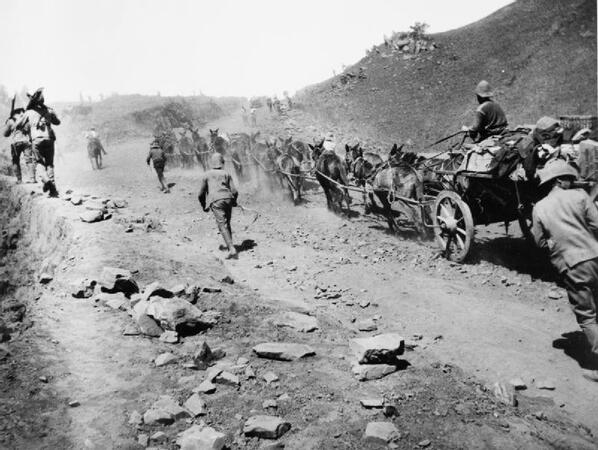
Second Anglo-Boer War - 1899 - 1902
'South African War ( a.k.a. the Anglo-Boer War) remains the most terrible and destructive modern armed conflict in South Africa’s history…
 Article
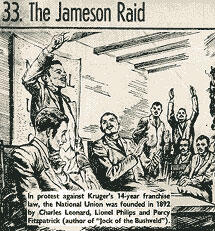
The Jameson Raid
By 1895 Britain was getting more confident about taking action in South Africa. Joseph Chamberlain was appointed Colonial Secretary. He…
 Article
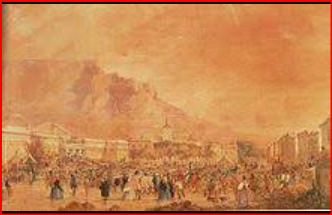
Convict Stations & Labour in the Cape Colony
Written by: FRANCO FRESCURA The exploitation of convict labour at the Cape during the Colonial era is closely connected with the work of…
 Article
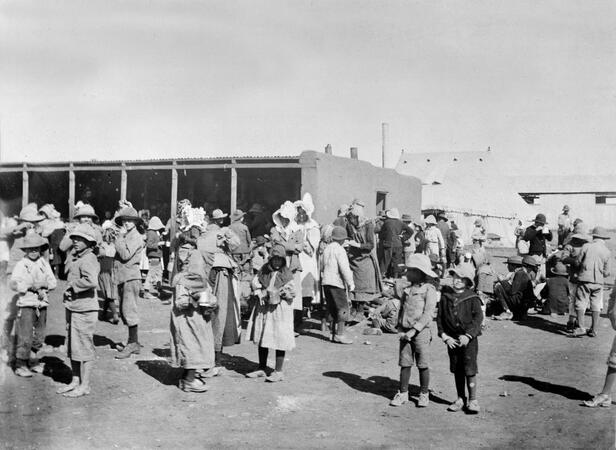
Women and Children in White Concentration Camps during the Anglo-Boer War, 1900-1902
Due to the fact that Black People were detained in separate camps, the issue of Black Concentration Camps is dealt with in another…
 Article
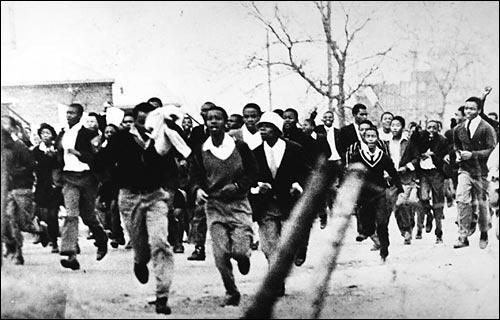
June 16 Soweto Youth Uprising timeline: 1976-1986
1976 According to the government-appointed Cillie Commission of Enquiry 575 people died. Police action resulted in 451 deaths. 3 907…
 Article
South African Congress of Trade Unions (SACTU)
In the 1930s various trade unions from different backgrounds ranging from conservative craft unions, white racist industrial unions, white…
 Article
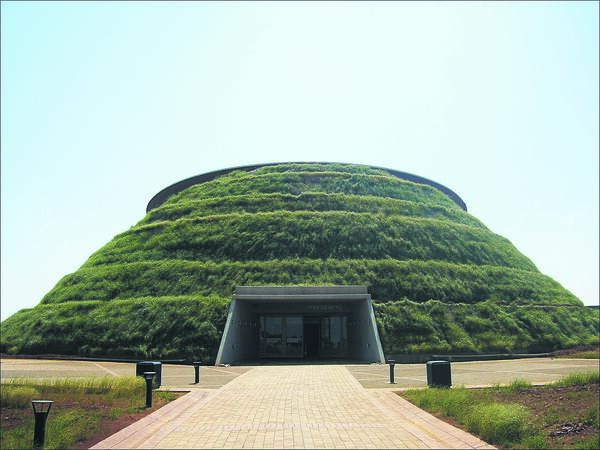
Cradle of Humankind
The Fossil Hominid Sites of Sterkfontein, Swartkrans, Kromdraai, and EnvironsThe Sterkfontein Valley landscape is in both western Gauteng…
 Article
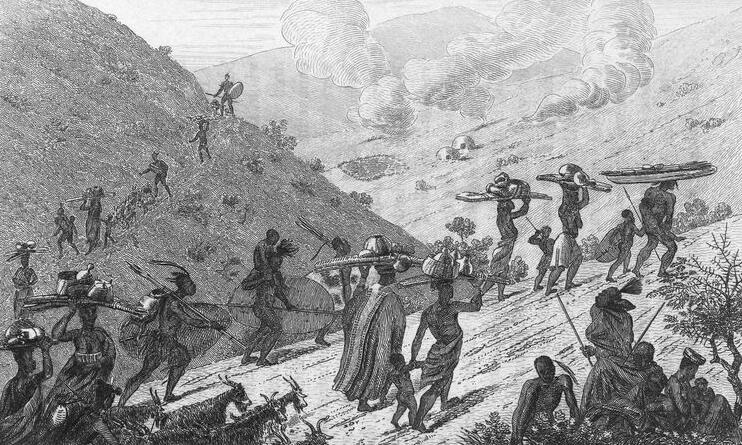
The Mfecane: Understanding a Period of Transformation in Southern Africa
The Mfecane - known as the Difaqane or Lifaqane in Sesotho - was a period of profound political, social, and demographic transformation in…
 Article
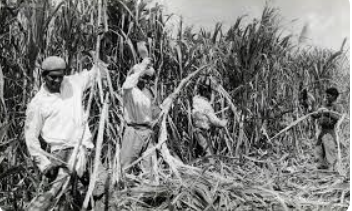
South Africa needs a national holiday on 16 November to acknowledge its indentured
SOUTH AFRICA NEEDS A NATIONAL HOLIDAY ON 16 NOVEMBER TO ACKNOWLEDGE ITS INDENTURED LABOUR HERITAGEBy Brij Maharajhttps://www.dailymaverick…