
SAHO global search
567 records
 Article
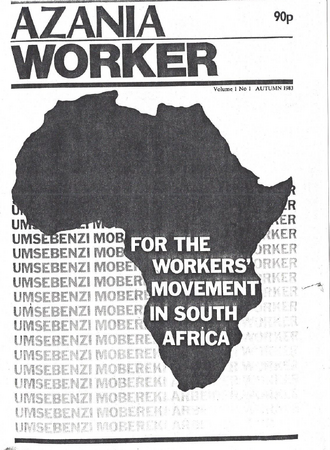
The Azania Liberation Support Committee and its publications by Allison Drew
… Gelderen, a South African who had been in London since the 1940s and who was a member of the International Marxist …
Indian Community in Lenasia
From the very beginning, settlement in Lenasia was a contentious issue, driven with debates about race, class, collaboration with and resistance to apartheid…
 Article
Black Consciousness Movement of Azania (BCMA)
The Black Consciousness Movement of Azania (BCMA) was the external arm of the Black Consciousness Movement (BCM), and had offices in Botswana, England, the…
 Article
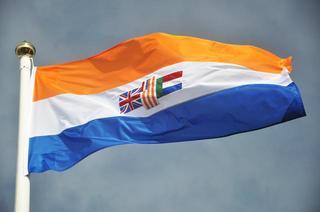
South Africa’s Foreign Relations during Apartheid, 1948
The position of South Africa in international affairs remained important throughout apartheid. The South African government needed to rely on the external…
 Article
The Union of Soviet Socialist Republics (USSR) and the Anti-Apartheid Struggle
Relations between Russia and South Africa In the late-19th century, Russia was engaged in rivalry with the British Empire, especially in Asia, and sought to…
 Article
A Spiral of Trials by Norman Levy
… the arrests, indictments and trials that occurred from the 1940s to the 1990s, history was being made and re-made; drama …
Pedi
[baPedi – People and sePedi – Language] The four major ethnic divisions among Black South Africans are the Nguni, Sotho-Tswana, Shangaan-Tsonga and Venda…
 Article
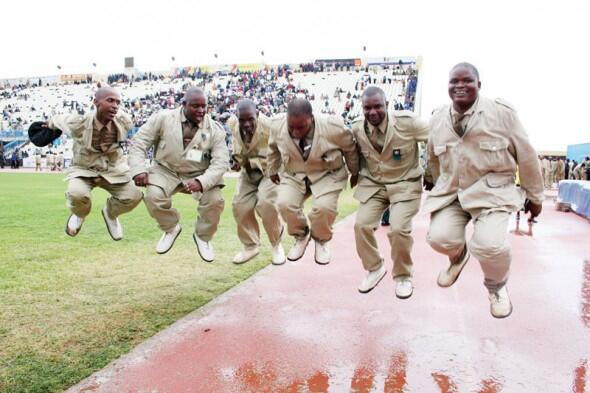
Zion Christian Church (ZCC)
The largest and fastest-growing of the African independent churches in the 1990s is the Zion Christian Church[i] . Its members, estimated to number between 2…
Durban an Overview
In 1824 Nathaniel Isaacs obtained from Shaka, King of the amaZulu, a grant of land in the area immediately surrounding the bay of Durban. Initially settlement…
 Article
Art South Africa Today exhibitions
In May 1963, the Cape Times announced the launch of ‘a national art exhibition, open to South African artists of all races’. The first iteration of Art South…
 Article
Forced removals on Highveld and "black spots", 1912-1991
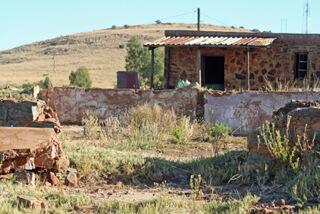
In the early 1960s the Apartheid government moved swiftly to dislodge numerous Black communities on the Transvaal Highveld occupying land in what was…
 Article
Afrikaans: the Language of Black and Coloured Dissent
… 1953, most Apartheid laws were adopted. [187] During the 1940s, ‘Afrikaans became perceived as the language of the …
Community histories of Rustenburg
Afrikaans Community (1838-1899) The First White Inhabitants It is documented that the first pioneers from the Eastern Cape undertook a hunting expedition…
 Article
Apartheid Legislation 1850's-1970's
… it was only intermittently applied until the end of the 1940s. The Act was amended in later years. Boroughs Ordinance … to buy land and obtain trading…
 Article
Ndebele
The four major ethnic divisions among Black South Africans are the Nguni, Sotho, Shangaan-Tsonga and Venda. The Nguni represent nearly two thirds of South…
 Article
Black Consciousness and 16 June – The birth of a new generation
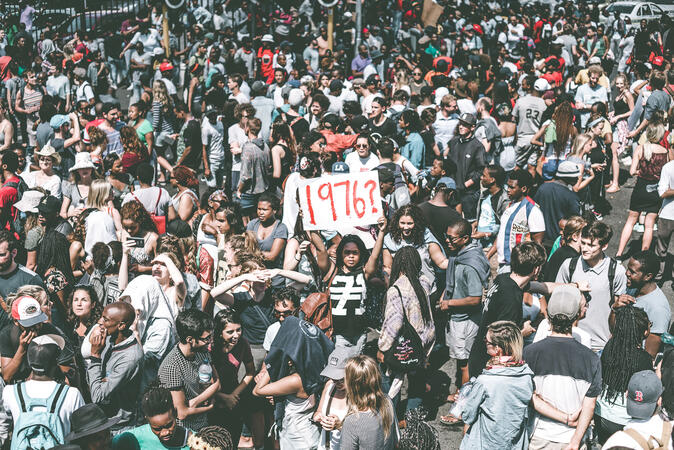
The Black Consciousness philosophy gained most of its support in the secondary schools and universities. The role played by the Black Consciousness Movement …
Increasing repression and the turn to the armed struggle
A series of legislations were passed by the NP led government in the 1950s as it sought to deal with dissent and entrench apartheid. Leading political…
Trade Union Council of South Africa (TUCSA)
The Trade Union Council of South Africa (TUCSA) was founded in October 1954 by 61 unions mainly representing White workers and mixed unions of Coloured and…
 Article
The Homelands
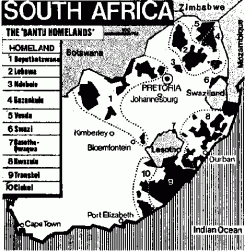
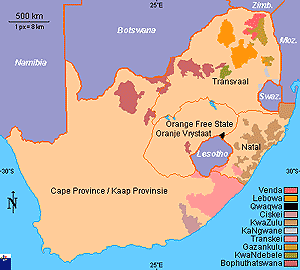
The Bantustans or homelands, established by the Apartheid Government, were areas to which the majority of the Blacks population was moved to prevent them from…
 Article
The Namibian struggle for independence – 1966 – 1990 – a historical background
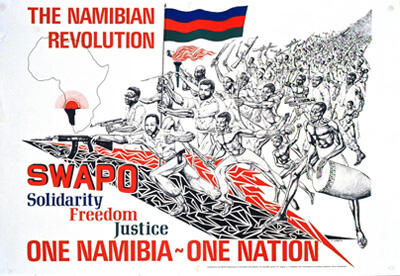
During the 1960s most of Africa’s countries had gained independence except for Namibia. Geographically, Namibia is made up of savannah, dry scrub land, as well…
 Article
Nelson Mandela Timeline 1950-1959
… 1950 In the late 1940s and early 1950s, Mandela trained at the Donaldson …
 Article
Apartheid and reactions to it
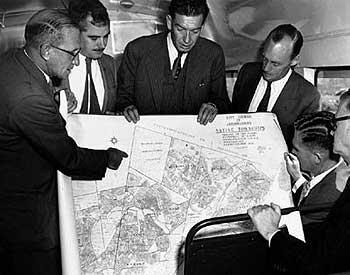
In 1948, the National Party (NP), representing Afrikaners, won the national election on a platform of racism and segregation under the slogan of 'apartheid’…
South African and World leaders
South African leaders South Africa has a long and very rich history. Many different cultures and communities live side by side and even together in South…
‘Ubuqaba’ and ‘UbuGqobhoka’: Reading Zakes Mda’s Heart of Redness through a Post-Developmental lens by Rachel Fenton
‘Ubuqaba’ and ‘UbuGqobhoka’: Reading Zakes Mda’s Heart of Redness through a Post-Developmental lens Rachel Fenton ‘Politics and the Novel’ January 2015 …
 Article
Cuba and the struggle for democracy in South Africa
The revolution in Cuba, culminating in Fidel Castro’s seizure of power on 1 January 1959, was from the beginning based on a non-racial ethos, and revolutionary…
 Article
History Grade 11 - Topic 3 Contextual Overview
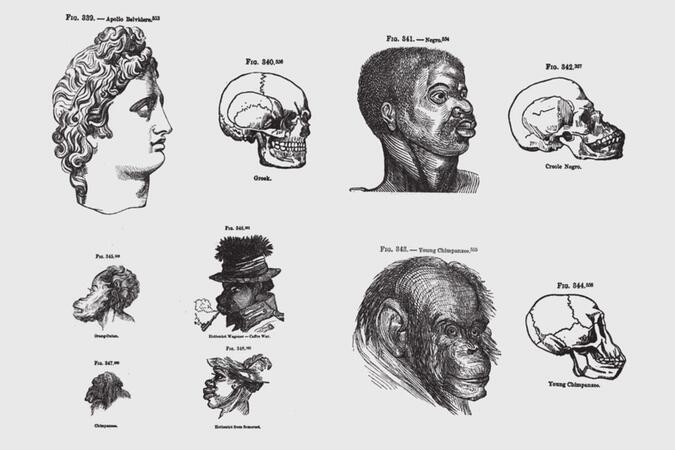
Introduction In the previous section, we have learnt about the origins of capitalism, however, we paid cursory attention to the racial character of that…
 Article
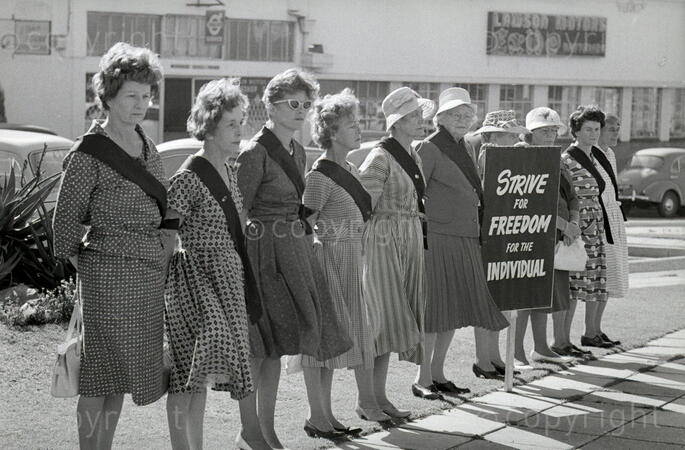
Elizabeth Davenport: A teacher and member of the Black Sash by Cole Morgan
Elizabeth Davenport: A teacher and member of the Black Sash by Cole MorganAbstractElizabeth Davenport has been an integral part of the Black Sash movement from…
Biography of Bessie Emery by Elizabeth Venditti
ABSTRACT: Bessie Emery was the first black South African woman to publish a collection of short stories.[i] She was also described as a passionate and…
 Article
Black Consciousness and student revolt in the Cape
After the government crackdown on political organizations in the early 1960s, new organizations emerged to fill the political vacuum. A movement based on the…
 Article
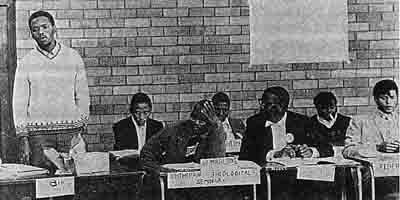
South African Student Organisation (SASO)
The Origins and formation: The South African Student Organisation (SASO) was formed in 1968 after some members of the University of Natal’s Black Campus…