
SAHO global search
1,730 records
South Africa and the United Nations
Curriculum Statements Further education and Training
Curriculum Statements Further education and Training
Economic and Political Programme for 1928
Articles, Speeches and Letters by W. A. Sisulu
Definitions: Capitalism, Communism, Marxism and Revolution
Pledging to Debate History: Values and education
This article deals with values and education in South Africa, and more specifically the proposed 'pledge'. Please read the article and send us your comments on…
 Article
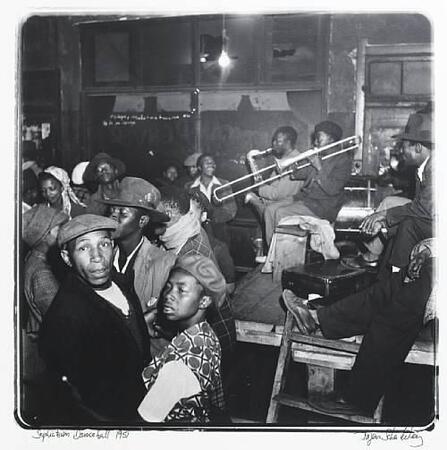
Music and culture as forms of resistance
Music Music was a central feature of the urban culture that developed in Johannesburg and in Sophiatown in particular. It was here that the most important…
Artist groups and educational facilities (1960-1980)
Due to the apartheid racial classification systems, many black artists were not allowed to further their education and attend formal learning facilities such…
 Article
History Grade 10 - Topic 6 Source-Based Questions and Answers
… 10 Past Exam Memo Source A: Source: Author Unknown, “1913 Land Act”, Tshintsha Amakhaya, (Uploaded: Unknown), … response to the implementation of the 1913…
 Article
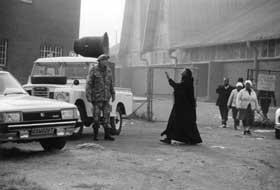
1960 - 1994: Armed Struggle and Popular Resistance
1984-1990:- The people armedIntroductionNumerous factors characterised the intensification of the freedom struggle against the National Party government in the…
 Article
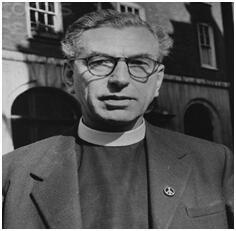
The International Defence and Aid Fund (IDAF)
The International Defence and Aid Fund (IDAF) was established by Canon L John Collins of St Paul’s Cathedral in 1956. Its mission was to work towards a…
 Article
History Grade 10 - Topic 6 Contextual Overview
… 1912 Preliminary drafts of the Union governments Natives’ Land Act were debated in 1911 and the Mines and Works Act was … renamed the African National…
 Article
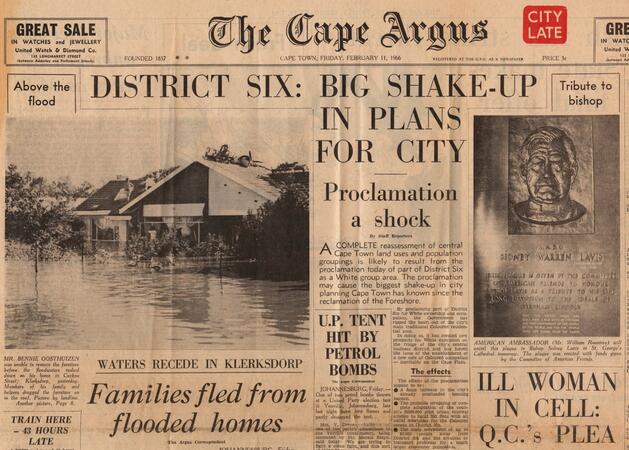
How the Group Areas Act shaped spaces, memories and identities in Cape Town
… Africa) p.3 ‘Europeans may exclusively own and / or occupy land and in which they are protected against penetration by …
 Article
The African Union and Regional Economic Integration
Following the wave of independence which swept the African continent in the 1960s, integration schemes became an increasingly important tool for facilitating…
 Article
Women in African Literature: Writing and Representation
Africa has produced a number of female authors who were, and still are, able to assert themselves as writers, both on a national and international scale…
Why protect rights of gays and lesbians?
South Africa's Constitution is the first in the world to prohibit unfair discrimination on the grounds of sexual orientation. It thereby guarantees equality…
 Article
Finding out about hunter-gatherers and herders
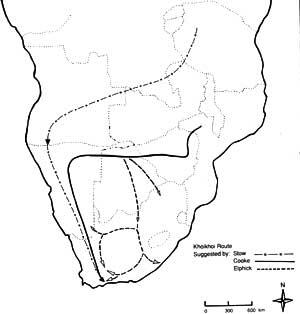
Who were the hunter-gatherers? Many societies all over the world survived by hunting and gathering for most of the last 100 000 years. In southern Africa the…
 Article
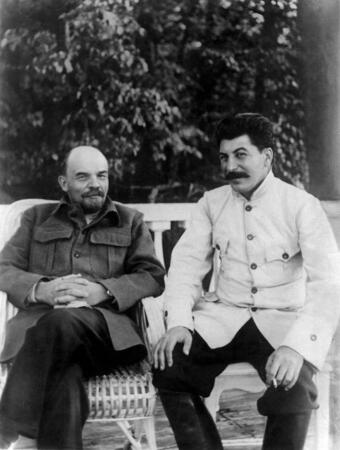
How Lenin and Stalin are remembered today?
Lenin Soon after his death, Lenin's body was embalmed and placed in Moscow's Red Square. His supporters, attempting to develop a personality cult, gave…
 Article
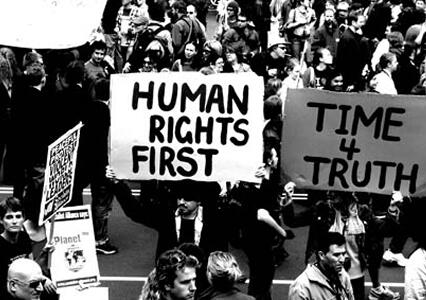
Human Rights and the South African Constitution
South Africa's Constitution (1996) enshrines the supremacy of the Constitution and the rule of law. Everyone in South Africa, including the government, and all…
The 1980s and the crisis of Apartheid
Please note that this section is detailed and we have broken it up into 3 pages: Use the page navigation on the right or bottom of the page Introduction …
 Article
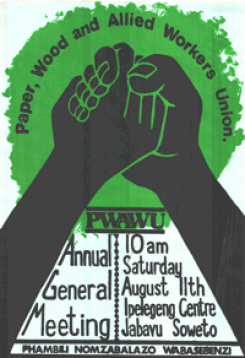
Paper Wood and Allied Workers Union (PWAWU)
The Paper Wood and Allied Workers Union (PWAWU) was formed on 31 May 1974 in Springs, Transvaal. It was also established with the help of the Urban Training…
 Article
Sweet Food and Allied Workers Union (SFAWU)
The Sweet Food and Allied Workers Union (SFAWU) was established in 1974 with the help of the Urban Training Project (UTP). Amongst its founder members…
 Article
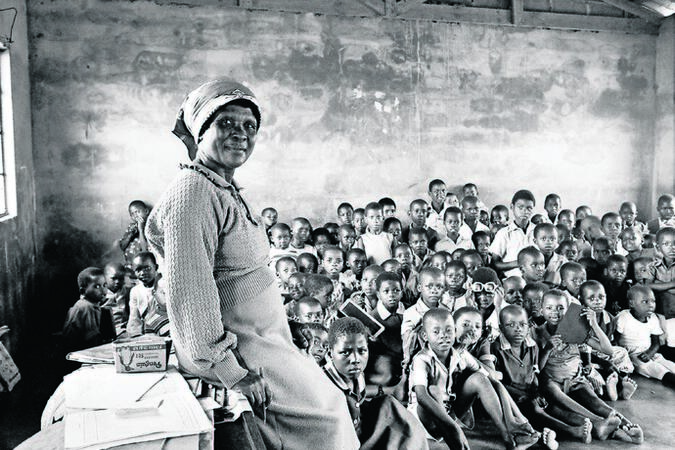
Classroom: Educational sites for learners and educators
Interactive and educational sites for learners and educators: These websites are recommended for use as an extra resource and as an 'activity' tool for the…
 Article
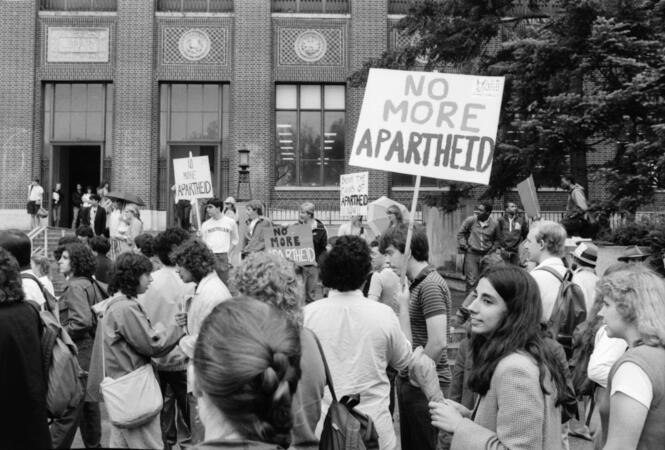
South Africa’s Academic and Cultural Boycott - Timeline
22 June 1946 —The Government of India requested that the question of the treatment of Indians in the Union of South Africa be included in the agenda of second…
 Article
The Drafting and Acceptance of the Constitution
On 2 February 1990, the National Party government unbanned political parties, released many political prisoners and detainees, and unbanned many people,…
 Article
uMkhonto weSizwe (MK) and the Armed Struggle
Sabotage campaigns Between 1961 and 1963 MK was responsible for about 134 acts of sabotage. Many of these caused minor damage to the intended targets…
Abstracts and papers: One Hundred Years of the ANC - Debating Liberation Histories and Democracy Today (conference)
 Article
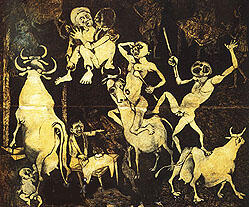
Towards a people’s culture - Art and Resistance under Apartheid
Art in the state of siegeThe Sharpeville Massacre was one of the most important turning points in the history of South Africa. It triggered a chain of events,…
 Article
Poqo in the Western Cape and Transkei in the early 1960s
… Authorities structures and the accompanying measures on land allocation and distribution inspired resentment from …