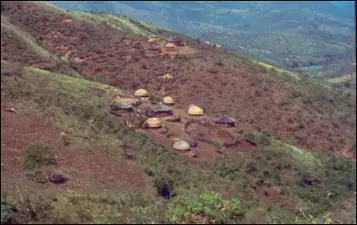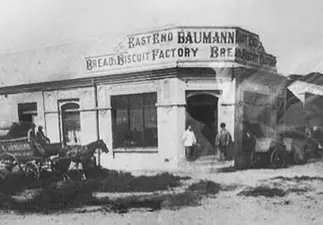
The area was formally developed around 1848–1850 when land was granted to settlers for sugar cultivation. Derived from the Zulu word 'uThongathi', which refers to the river running through the area.
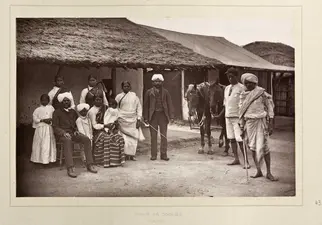
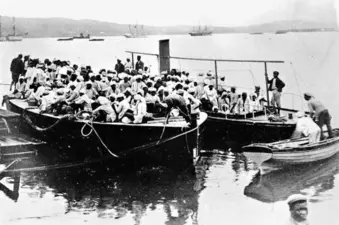
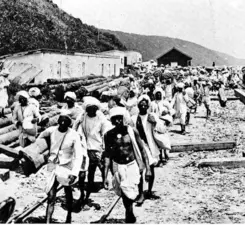
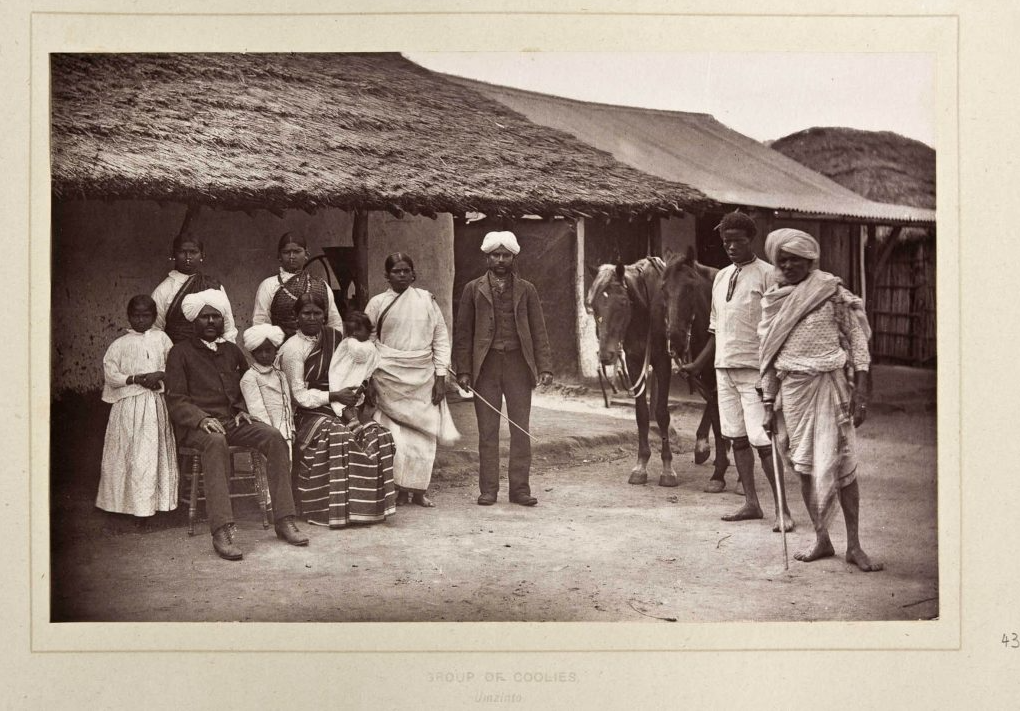
Historically, the town operated as an experiment in multi-racial living with segregated residential areas and amenities, as noted in: "Glimpses of Tongaat by Tholsi Mudly". (LINK IN FURTHER READING) Tongaat is considered home to the oldest Indian community in South Africa, established with the arrival of indentured labourers in 1860. James Renault Saunders established a major presence in the late 1880s, heavily influencing the development of the sugar industry.
Situated north of Durban and south of KwaDukuza. It serves as an industrial town. While its roots date back further, Tongaat was formally established in 1945 and named after the 'uThongathi' River. The town’s name was officially changed from the anglicised version to, oThongathi on 1 Oct 2010. Originally established around 19th-century sugarcane plantations, it boasts a diverse community and landmarks like the Maidstone Sugar Mill. The Maidstone Mill is one of the oldest and most significant, symbolising the development of the sugar industry in Natal. (LINK IN FURTHER READING)
The area is primarily driven by agriculture (sugar), retail, and its proximity to King Shaka International Airport. In October 2022, 'Tongaat Hulett' voluntarily entered business rescue. This was a last resort prompted by ballooning debt and the fallout from alleged financial misstatements tied to previous leadership. The financial distress primarily impacted the South African arm of the business. (LINK IN FURTHER READING)