Early life and the 1976 uprising
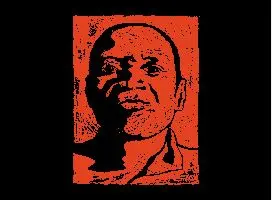
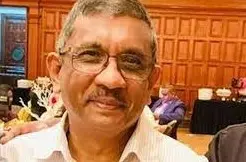
Lusiba Esdras Ntloko was born on 18 July 1954 in Queenstown (now Komani) in the Eastern Cape. He became active in student politics during the 1970s, and in 1976 he took part in the student uprising that spread through the greater Queenstown region in the wake of the 16 June Soweto uprising.
Arrest and imprisonment on Robben Island
At the age of 22, Ntloko was arrested and detained under Section 6 of the Terrorism Act of 1967. He was tried together with 12 co-accused, one of whom was his brother, Phambili Nehemiah Ntloko. The accused were each sentenced to five years' imprisonment, which Ntloko served on Robben Island.
Political work after his release
Following his release, Ntloko joined the Azanian People's Organisation (AZAPO). In 1986 he was elected national co-ordinator of the National Forum, and in 1990 he became AZAPO's national organiser. During this period membership of the Black Consciousness Movement grew and AZAPO gained a higher public profile.
In 1988, when the apartheid government barred AZAPO from functioning as a political party, Ntloko and other former AZAPO members, among them Thabo Sehume, Charles Mabitsela and Jacky Tshapulutsa, formed AZACCO as a vehicle to continue pursuing the same political goals. AZACCO was grounded in the philosophy of Black Consciousness. Ntloko was later elected its national organiser, a post he held until 1993.
Ntloko also helped to facilitate the Conference for a Democratic Future, a gathering that welcomed South Africans returning from exile.
Community work
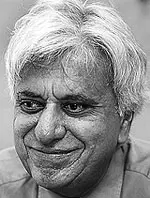
Beyond party organising, Ntloko worked with Professor Saths Cooper at the Family Institute, offering support to the families of deceased comrades who had been affected by gender-based violence.
Later years and death
In the 1990s Ntloko was involved in efforts to facilitate the return of members of the Azanian National Liberation Army (AZANLA), the armed wing associated with the Black Consciousness Movement. He died on 19 November 1997 at the age of 43.
Legacy
Ntloko's name is inscribed on the Wall of Remembrance at the Robben Island Museum, unveiled in September 2025 to honour people imprisoned on the island for their opposition to apartheid. The Wall draws on the museum's Ex-Political Prisoners Database, a sub-project of the Memories Project begun in 1997, which records those held on Robben Island for political reasons between 1961 and 1991. Saths Cooper, chairperson of the Robben Island Museum and a close friend of Ntloko, has described the project as an effort to keep the contributions of lesser-known political prisoners from being lost to the historical record.