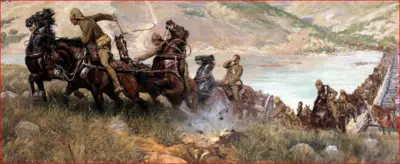
On 7 August 1795, British forces launched an amphibious assault on Dutch defensive positions at Muizenberg during their campaign to capture the Cape Colony. The engagement saw Dutch East India Company troops, burgher militia from districts including Swellendam and Stellenbosch, and the Korps Pandoeren attempt to resist the British naval bombardment and infantry advance. Despite a spirited defence, particularly by the burgher cavalry and Pandour soldiers who counter-attacked the British landing force, the defenders were eventually forced to retreat following sustained artillery fire from British warships.
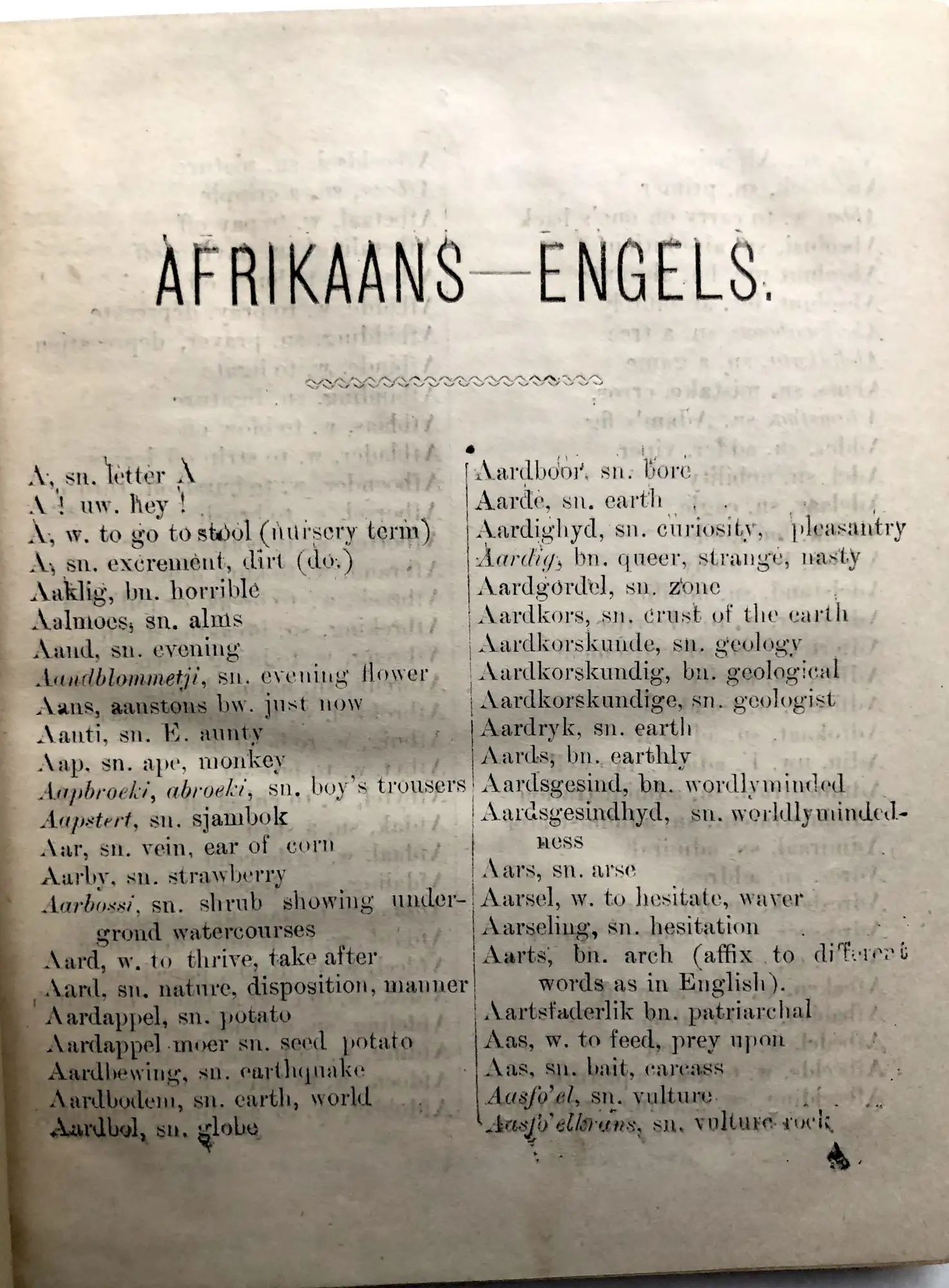
In the aftermath of this battle, an anonymous poet composed what is considered one of the oldest examples of written Afrikaans: "Lied ter eere van de Swellendamsche en diverse andere helden bij de bloedige actie aan Muizenberg in dato 7 August 1795" (Song in Honour of the Swellendam and various other Heroes at the Bloody Action at Muizenberg). The poem represents an early instance where the emerging Cape Dutch vernacular - rather than standard Dutch - appeared in written literary form. According to linguistic analysis, the poem deliberately imitated the local speech patterns of the Cape Dutch speakers, marking an important moment in the development of what would eventually become the Afrikaans language.
The British would secure the surrender of the Cape Colony on 16 September 1795, beginning their first period of occupation which lasted until 1803.