
Event record
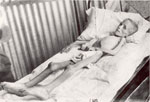
General De la Rey protests British mistreatment of women and children
- Date
- 16 Aug 1901
- Updated
- 30 Sep 2019
Search events by date
This day in history
What happened on your birthday?
How we know this
- 01Wessels. A.c., "General De la Rey protests British mistreatment of women and children",from women24,[Online], available at blogs.women24.com [Accessed: 14 August 2013]
- 02Anglo-Boer War. [online] Available at: angloboerwar.com [Accessed 4 August 2009]
Last updated · 30 Sep 2019
South African History Online. (2011, March 16). General De la Rey protests British mistreatment of women and children. South African History Online. https://sahistory.org.za/ref/E-0011236
South African History Online (2011) 'General De la Rey protests British mistreatment of women and children', South African History Online, 16 March. Available at: https://sahistory.org.za/ref/E-0011236 (Accessed: 6 October 2026).
South African History Online, General De la Rey protests British mistreatment of women and children [website], https://sahistory.org.za/ref/E-0011236, (accessed 6 October 2026).
"General De la Rey protests British mistreatment of women and children." South African History Online, 16 Mar. 2011, https://sahistory.org.za/ref/E-0011236. Accessed 6 Oct. 2026.
South African History Online. "General De la Rey protests British mistreatment of women and children." South African History Online. March 16, 2011. https://sahistory.org.za/ref/E-0011236.
Further reading
 Place
Place
Cape Town Civic Centre and the CBD of Cape Town
 Place
Place
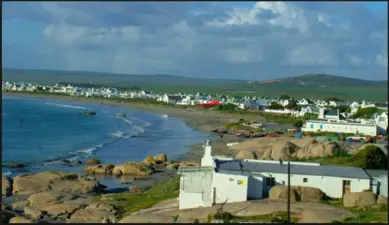
Paternoster, West Coast
 Article
Brenda Fassie’s 1997 hit song Vulindlela still raises questions about South Africa as a nation
 Place
Place
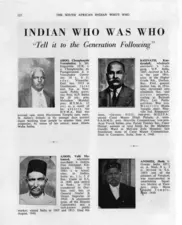
KwaZulu-Natal Literary Trails (under Heritage Routes)
 Article
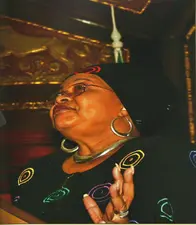
Ambassador Lindiwe Mabuza and her connection with Scotland: An Appreciation by Brian Filling
SAHO is free because readers fund it. Donate →