
Archive record
Restorative Memory – Considerations of colonial environmental distortion and the Salt River Estuarine & Riverine Territory by Patric Tariq Mellet, (2022/01/27 )

- Origin date
- 27 Jan 2022
- Updated
- 2 Feb 2022
South African History Online. (2022, February 2). Restorative Memory – Considerations of colonial environmental distortion and the Salt River Estuarine & Riverine Territory by Patric Tariq Mellet, (2022/01/27 ). South African History Online. https://sahistory.org.za/ref/R-0151385
South African History Online (2022) 'Restorative Memory – Considerations of colonial environmental distortion and the Salt River Estuarine & Riverine Territory by Patric Tariq Mellet, (2022/01/27 )', South African History Online, 2 February. Available at: https://sahistory.org.za/ref/R-0151385 (Accessed: 3 October 2026).
South African History Online, Restorative Memory – Considerations of colonial environmental distortion and the Salt River Estuarine & Riverine Territory by Patric Tariq Mellet, (2022/01/27 ) [website], https://sahistory.org.za/ref/R-0151385, (accessed 3 October 2026).
"Restorative Memory – Considerations of colonial environmental distortion and the Salt River Estuarine & Riverine Territory by Patric Tariq Mellet, (2022/01/27 )." South African History Online, 2 Feb. 2022, https://sahistory.org.za/ref/R-0151385. Accessed 3 Oct. 2026.
South African History Online. "Restorative Memory – Considerations of colonial environmental distortion and the Salt River Estuarine & Riverine Territory by Patric Tariq Mellet, (2022/01/27 )." South African History Online. February 2, 2022. https://sahistory.org.za/ref/R-0151385.
Further reading
 Place
Place
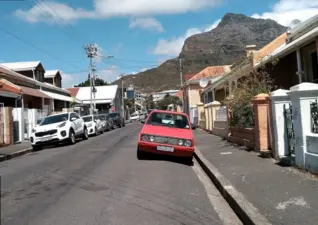
Salt River
 Article
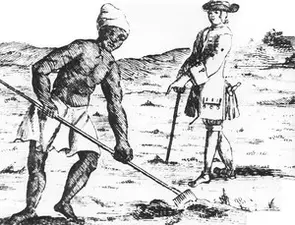
How Unique was Slavery at the Cape?
 Archive
 Place
Place
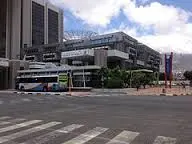
Cape Town Civic Centre and the CBD of Cape Town
 Place
Place
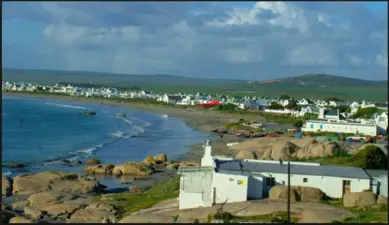
Paternoster, West Coast
 Article
Brenda Fassie’s 1997 hit song Vulindlela still raises questions about South Africa as a nation
SAHO is free because readers fund it. Donate →