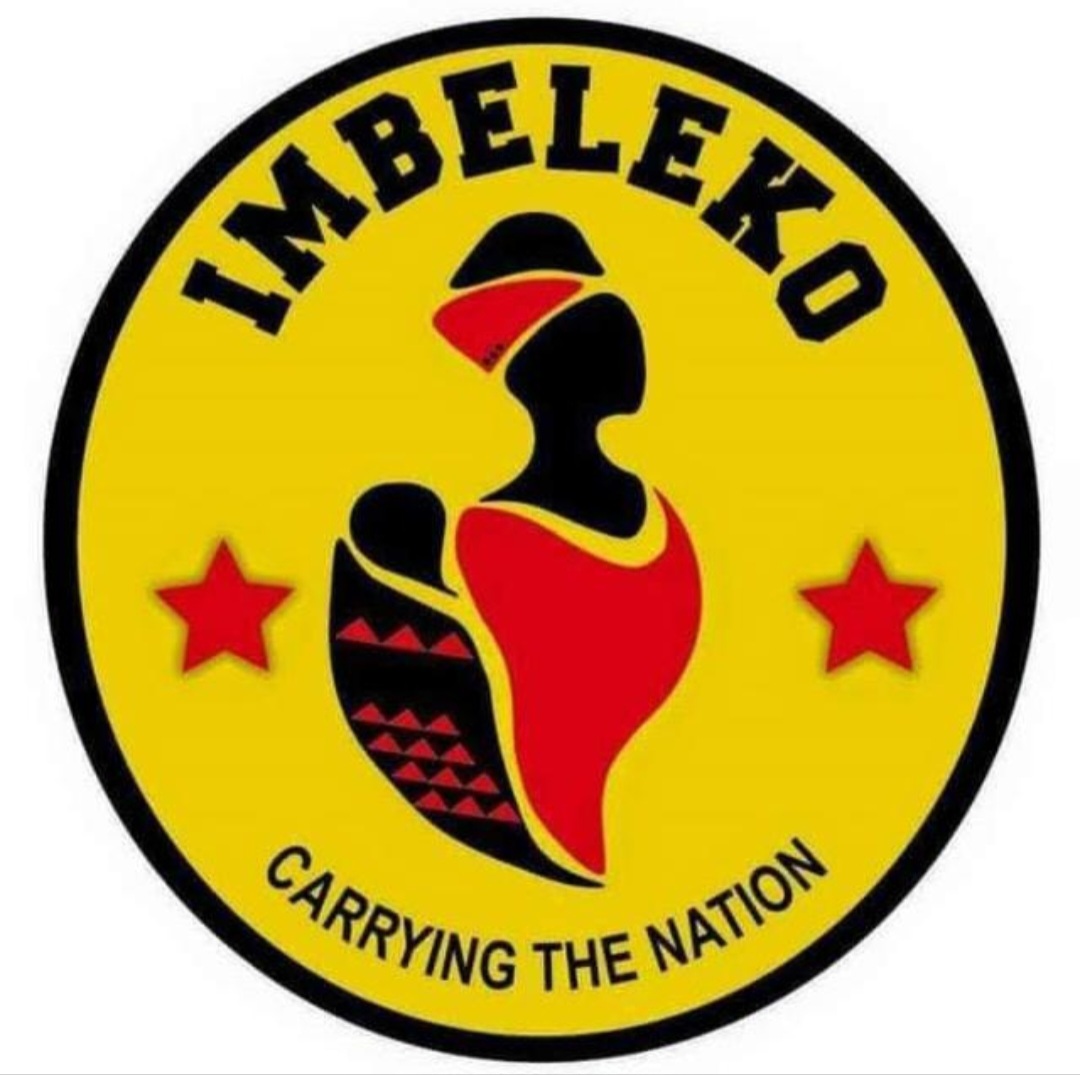
Imbeleko is the women's wing of the Azanian People's Organisation (AZAPO), formed in 1982 to address the specific challenges faced by black women under apartheid. The organisation emerged from AZAPO's recognition that women's oppression required dedicated attention within the broader liberation struggle. Drawing its name from the Nguni tradition of carrying a child on one's back, Imbeleko adopted the motto "carrying the nation," positioning women as central to the nurturing and advancement of the black community.
Historical Background
The formation of Imbeleko must be understood within the context of women's organising in the Black Consciousness Movement. When the apartheid government banned seventeen Black Consciousness organisations on 19 October 1977 - a day known as "Black Wednesday" - several women's formations were among those suppressed, including the Black Women's Federation (BWF). The BWF, formed in December 1975 under the leadership of Fatima Meer, had been working on issues of education, housing, labour, rural development, and detentions before its banning.
Following the formation of AZAPO in April 1978, the organisation sought to rebuild structures that could address women's concerns. In 1982, AZAPO formed the Black Domestic Workers' Association and Black Women Unite. These were subsequently consolidated into Imbeleko, an organisation specifically dedicated to resisting women's oppression while maintaining alignment with Black Consciousness philosophy.
Philosophical Foundations
Imbeleko draws its ideological inspiration from the Black Consciousness Movement philosophies developed by Steve Biko, Onkgopotse Abram Tiro, and Vuyelwa Mashalaba, combined with Marxist Scientific Socialism. Vuyelwa Mashalaba holds particular significance as the first female secretary of the South African Students' Organisation (SASO) national executive committee from 1970 to 1971, representing the important role women played in the founding of the Black Consciousness Movement.
The organisation's approach reflects the broader BCM position that black liberation could not be achieved without addressing the specific conditions of black women. However, unlike Western feminist movements, Imbeleko situated women's struggles within the framework of national liberation and class struggle, viewing patriarchy and capitalism as interlinked systems of oppression alongside racism.
Cultural Significance of the Name
The name "Imbeleko" carries profound cultural meaning in Nguni tradition. In Zulu and Xhosa cultures, imbeleko refers to both a material object - the animal skin or strong cloth used to strap a baby onto its mother's back - and a ceremonial rite of passage. The imbeleko ceremony is traditionally performed ten days after birth to introduce a newborn to the ancestors, involving the slaughter of a goat and the creation of spiritual bonds between the child and their lineage.
By adopting this name, the women's wing symbolically positioned itself as the carrier and nurturer of the nation, connecting political struggle with African cultural identity. The motto "carrying the nation" encapsulates this vision of women as both protectors and bearers of the liberation movement's future.
Programmes and Activities
Imbeleko implements a range of self-help and community development projects that reflect the Black Consciousness Movement's emphasis on self-reliance and practical action. The organisation runs skills training programmes in trades such as bricklaying, carpentry, and upholstery, providing women with economic independence and practical capabilities.
In addition to vocational training, Imbeleko has established various health projects addressing community needs, education initiatives to advance literacy and political consciousness, and a bursary fund to assist students pursuing further education. These programmes continue the tradition of Black Community Programmes (BCP) established during the 1970s, which combined consciousness-raising with practical community development.
Organisational Structure
Imbeleko operates as one of several wings within AZAPO's broader organisational structure:
- AZASM (Azanian Students' Movement): for high school learners
- AZASCO (Azanian Students' Convention): for university students
- AZAYO (Azanian Youth Organisation): general youth wing
- Imbeleko: women's wing
This structure reflects AZAPO's approach to organising different sectors of the black community while maintaining ideological unity under Black Consciousness philosophy.
Women in AZAPO Leadership
Women have held significant positions within AZAPO's broader structures. In 1979, Nombulelo Mkefa was appointed as AZAPO's deputy president, demonstrating the organisation's commitment to women's leadership beyond the dedicated women's wing. Other women who have contributed to the Black Consciousness tradition and influenced Imbeleko's development include Winnifred Kgware, who served as the first president of the Black People's Convention in 1972, and Mamphela Ramphele, whose writings on gender dynamics within Black Consciousness organisations provide important insights into the challenges and achievements of women in the movement.
Legacy and Continuing Relevance
Imbeleko continues to operate as AZAPO's women's wing, maintaining the organisation's commitment to addressing women's specific concerns within the framework of Black Consciousness. The organisation represents an important tradition of women's self-organisation within liberation movements, one that sought to balance gender-specific issues with broader struggles against racial capitalism and national oppression.